The global shift toward sustainable urban logistics has brought the cargo e bike into the spotlight as a transformative solution for last-mile delivery. By combining the agility of a traditional bicycle with the power of electric propulsion and high-capacity hauling capabilities, these vehicles are redefining how goods and people move through congested city centers.
Understanding the nuances of the cargo e bike is essential for businesses looking to reduce their carbon footprint and for urban planners aiming to decrease traffic congestion. These machines are no longer just niche gadgets; they are robust industrial tools designed to replace vans and small trucks in densely populated areas, offering a blend of efficiency and environmental responsibility.
Whether it is transporting heavy parcels, carrying children to school, or managing artisanal deliveries, the versatility of the cargo e bike provides a scalable alternative to internal combustion engines. This guide explores the technical architecture, global adoption trends, and the long-term value these vehicles bring to the modern transportation ecosystem.
Global Relevance of Cargo E Bike Logistics
Across the globe, urban centers are grappling with "last-mile" delivery inefficiencies. With the explosion of e-commerce, traditional delivery vans contribute significantly to CO2 emissions and traffic gridlock. Data from urban mobility studies suggest that in many European cities, delivery vehicles occupy a disproportionate amount of road space relative to the volume of goods they carry. The cargo e bike emerges as the primary solution to this crisis, offering a zero-emission alternative that can navigate narrow streets and bike lanes.
The adoption of these vehicles is not merely a trend but a systemic shift supported by ISO standards for lightweight electric vehicles and city-wide "green zones" that restrict combustion engines. By integrating a cargo e bike into a logistics fleet, companies can reduce delivery times by avoiding traffic jams and eliminate the costly search for parking, directly improving the bottom line and the quality of urban life.
Defining the Modern Cargo E Bike
At its core, a cargo e bike is a heavy-duty electric bicycle specifically engineered to transport goods, equipment, or passengers. Unlike standard e-bikes, these vehicles feature reinforced frames, wider tires for stability, and specialized carrying areas—such as front-loading boxes (Bakfiets style) or extended rear racks (Long-tail style). They bridge the gap between a traditional bicycle and a light commercial vehicle.
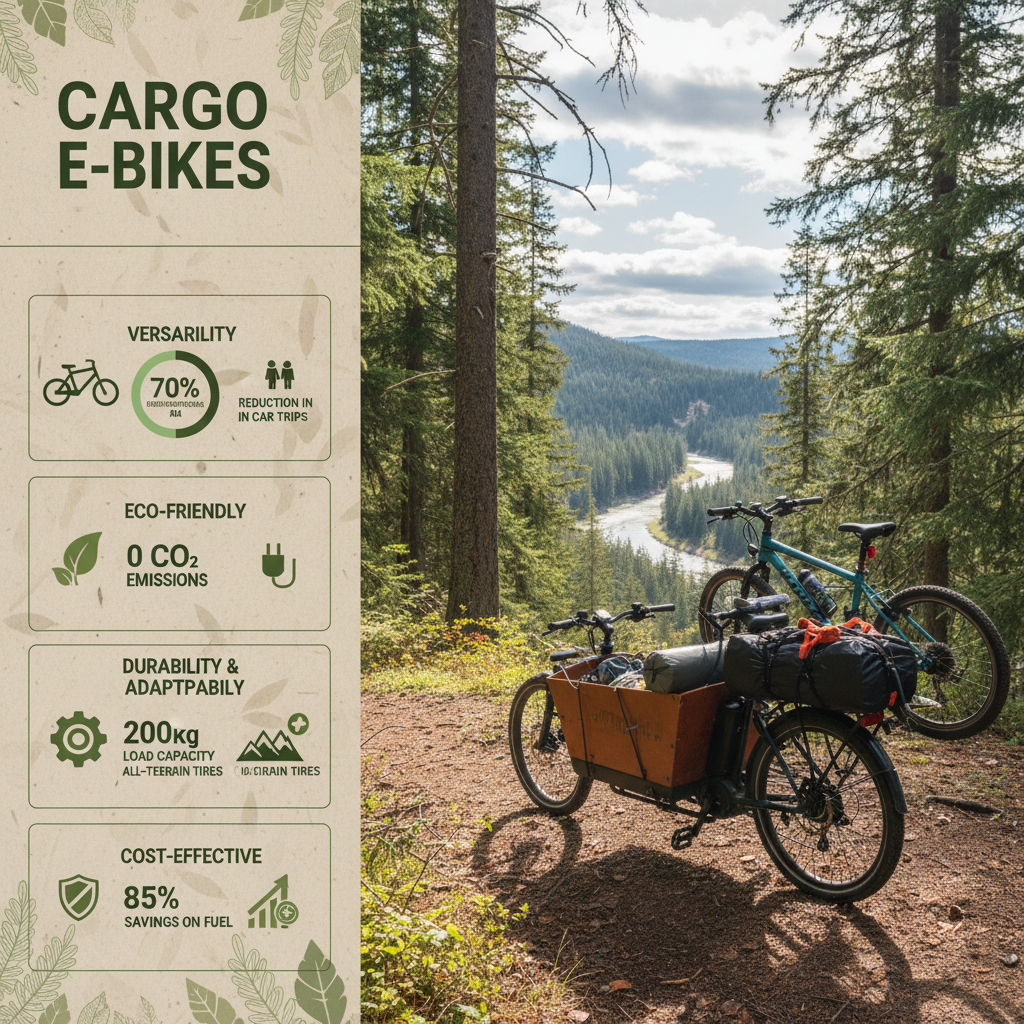
From an industrial perspective, the cargo e bike represents a fusion of automotive-grade durability and bicycle-grade agility. They are designed to handle payloads ranging from 50kg to over 250kg, utilizing mid-drive motors and high-torque gearing to ensure that heavy loads can be moved uphill without excessive rider exertion. This makes them viable for both professional couriers and everyday families.
Beyond the technical specs, these bikes address a critical humanitarian and environmental need: the decarbonization of transport. By shifting the burden of delivery from diesel engines to electric pedals, the cargo e bike helps cities meet stringent air quality targets while maintaining the flow of essential commerce and services.
Core Components of High-Performance Cargo E Bikes
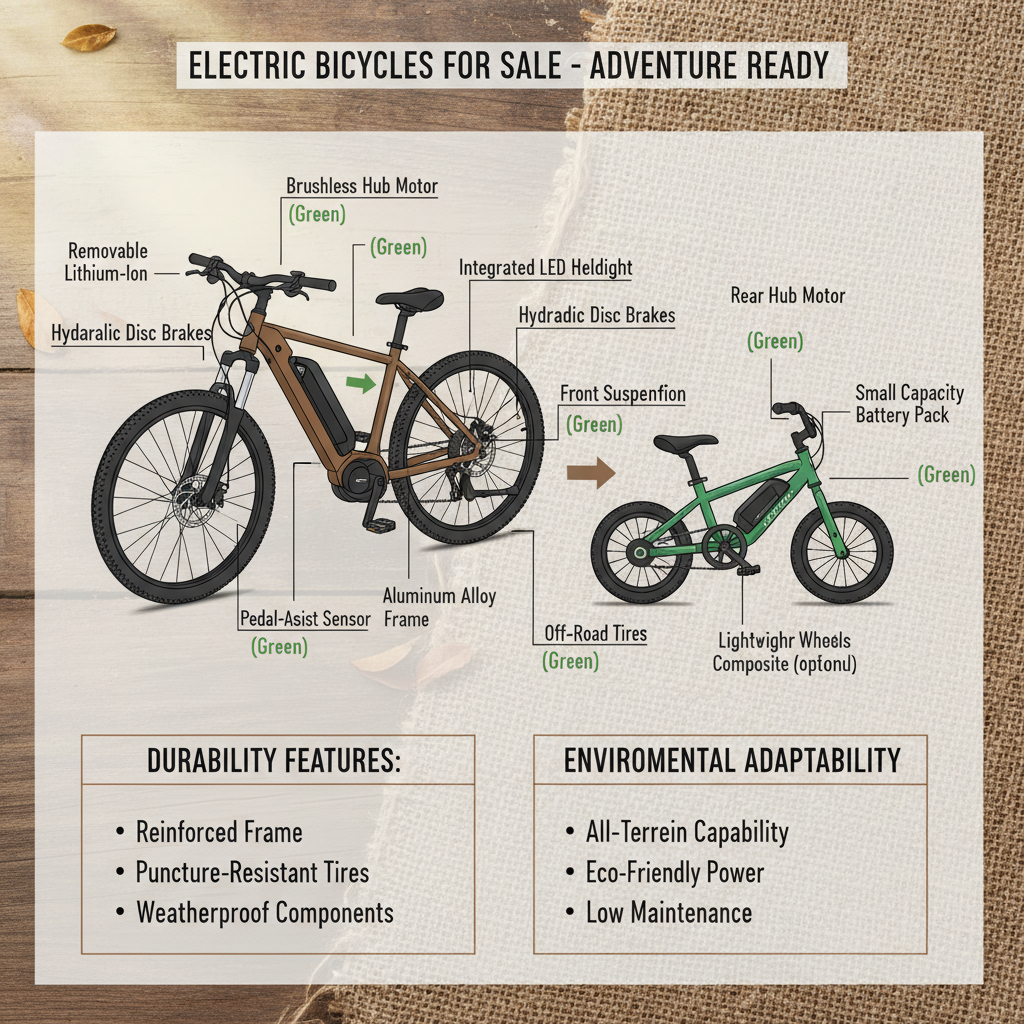
The structural integrity of a cargo e bike begins with its frame. Typically constructed from aircraft-grade aluminum or chromoly steel, the chassis must withstand constant stress and vibration while maintaining a center of gravity that ensures the rider doesn't lose control under a full load.
Power delivery in a cargo e bike is usually handled by a high-torque mid-drive motor. This placement is crucial as it leverages the bike's own gears, providing the necessary leverage to move heavy cargo from a complete stop, which is a common occurrence in urban delivery routes.
Safety components are equally vital. Hydraulic disc brakes are standard on a professional cargo e bike to provide reliable stopping power regardless of weather conditions or load weight. Coupled with puncture-resistant, wide-profile tires, these bikes offer the stability and safety required for industrial-grade operation.
Operational Efficiency and Cost Analysis
When comparing the operational cost of a cargo e bike to a traditional delivery van, the savings are staggering. There are no fuel costs, significantly lower insurance premiums, and minimal maintenance requirements since there are fewer moving parts than in an internal combustion engine. Furthermore, the ability to park directly in front of a destination eliminates the "last-hundred-meters" walking time that plagues van drivers.
From a productivity standpoint, the cargo e bike allows for a higher density of deliveries per hour in congested zones. While a van might be stuck in a traffic jam, an electric cargo bike can utilize bike lanes and pedestrian-friendly shortcuts, ensuring a more predictable and timely delivery schedule.
Cargo E Bike Efficiency Comparison
Global Applications and Real-World Use Cases
In cities like Amsterdam and Copenhagen, the cargo e bike is already a staple of the economy. Local bakeries, florists, and postal services have almost entirely swapped small vans for electric cargo solutions. This shift has not only reduced noise pollution but has reclaimed street space for pedestrians, creating a more livable urban environment.
Beyond Europe, we are seeing the cargo e bike applied in diverse settings. In some post-disaster relief operations in Southeast Asia, compact electric cargo bikes have been used to deliver medicine and food through debris-strewn streets where cars could not pass. Similarly, in large industrial campuses, they are used as internal shuttles for tools and parts, increasing the speed of maintenance operations.
Long-Term Value and Sustainability Impact
The long-term value of investing in a cargo e bike extends beyond mere financial savings. There is a significant "brand value" associated with green logistics. Companies that utilize electric cargo bikes signal to their customers that they are committed to sustainability, which is a powerful differentiator in today's eco-conscious market.
Socially, the cargo e bike promotes a healthier workforce. While the motor does the heavy lifting, the rider still engages in low-impact physical activity, reducing the sedentary health risks associated with driving a van for eight hours a day. This leads to higher employee satisfaction and lower burnout rates.
Furthermore, the reliability of these vehicles ensures a consistent supply chain. Because they are not subject to the same parking restrictions or traffic congestion as larger vehicles, the "last mile" becomes a predictable variable rather than a source of stress. This reliability builds trust between the service provider and the end customer.
Future Trends in Cargo E Bike Innovation
The next generation of the cargo e bike is leaning heavily into digital transformation. We are seeing the integration of IoT (Internet of Things) for real-time fleet tracking, automated load-balancing sensors, and smart-lock systems that allow for secure, unattended deliveries. These innovations turn a simple vehicle into a data-driven logistics node.
Materials science is also playing a role. The move toward carbon-fiber reinforced polymers and lightweight alloys is allowing cargo e bike designs to carry even heavier loads without increasing the overall weight of the vehicle. This improves battery efficiency and extends the range, making these bikes viable for larger suburban delivery radiuses.
Finally, the rise of "Battery-as-a-Service" (BaaS) through swappable battery stations will eliminate range anxiety. Instead of waiting hours for a charge, a courier can swap a depleted battery for a full one in seconds, ensuring the cargo e bike remains in constant operation throughout the workday.
Technological Evolution of Cargo E Bike Categories
| Bike Category |
Max Load Capacity |
Primary Use Case |
Efficiency Score (1-10) |
| Long-tail E-bike |
100kg - 150kg |
Family & Light Courier |
8 |
| Front-load Bakfiets |
150kg - 200kg |
Bulk Goods & Children |
9 |
| Electric Cargo Trike |
250kg+ |
Heavy Industrial Logistics |
10 |
| Compact Cargo |
60kg - 100kg |
Small Parcel Delivery |
7 |
| Customized Utility Bike |
Variable |
Specialized Trade Tools |
8 |
| Mid-size Hauler |
120kg - 180kg |
General Urban Freight |
9 |
FAQS
A standard e-bike is primarily designed for individual commuting and light loads. In contrast, a cargo e bike features a reinforced frame, a more powerful motor for hauling, and a dedicated storage area. It is engineered specifically for stability and strength under heavy weight, whereas standard e-bikes focus on speed and lightness.
Depending on the model, a professional-grade cargo e bike can carry between 100kg and 250kg. Heavy-duty trike versions often exceed this, making them suitable for replacing small delivery vans. The load capacity is supported by wide tires and a low center of gravity to ensure the rider can still maneuver the bike safely.
Actually, they are often easier to navigate than cars. Because a cargo e bike can use bike lanes and filtered permeability zones, you can bypass the worst of the traffic. While they have a larger footprint than a regular bike, the electric assistance makes starting and stopping with a load effortless.
Battery life varies by motor efficiency and load weight, but most modern cargo e bike models offer 40-80km of range. Under a full load, the range decreases, but many businesses overcome this by using dual-battery systems or swappable battery packs to keep the vehicle running all day.
In most jurisdictions, a cargo e bike is classified as a bicycle and does not require a driver's license, registration, or insurance. However, it is always recommended to check local regulations, as some cities are introducing specific rules for "heavy e-bikes" used in commercial logistics.
For "last-mile" deliveries in urban areas, yes. A cargo e bike is often faster, cheaper to operate, and more sustainable than a van. While they cannot replace long-haul trucks, they are the ideal solution for the final leg of the journey from a distribution hub to the customer's door.
Conclusion
The cargo e bike represents a pivotal evolution in urban transportation, blending industrial strength with environmental consciousness. By addressing the critical failures of traditional last-mile logistics—such as congestion, pollution, and inefficiency—these vehicles provide a scalable and sustainable path forward for businesses and cities alike.
As battery technology improves and urban infrastructure becomes more bike-centric, the adoption of the cargo e bike will likely move from a competitive advantage to an industry standard. For those looking to modernize their fleet or simplify their urban transit, now is the time to integrate these innovative solutions. Visit our website: www.yanlinebike.com