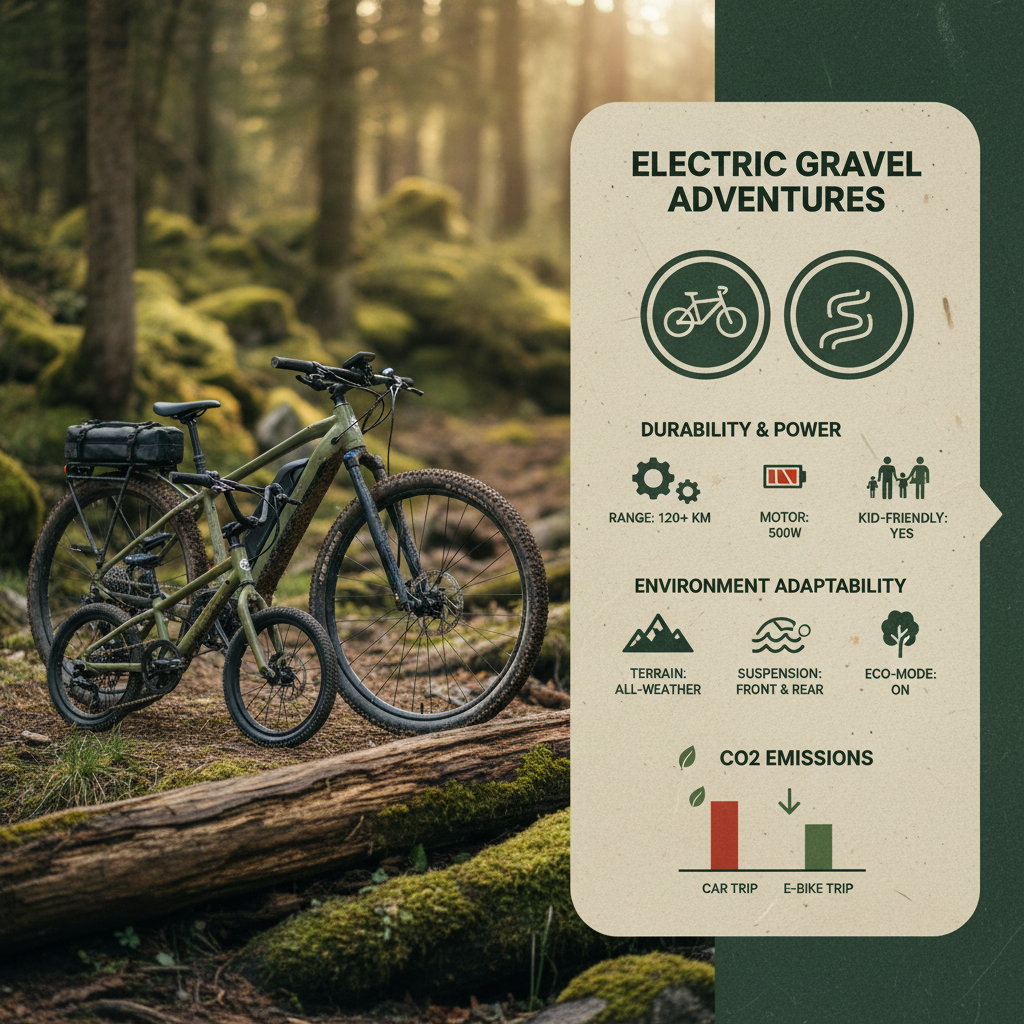
The electric gravel bike represents a thrilling convergence of cycling worlds, blending the rugged capability of off-road adventures with the assisted power of an electric motor. This dynamic combination opens up new possibilities for riders of all skill levels, making challenging terrains accessible and extending the range of exploration. Understanding the nuances of electric gravel bikes is crucial, not just for cycling enthusiasts, but also for businesses looking to tap into a rapidly expanding market and for individuals seeking a versatile and sustainable transportation option. electric gravel bike is becoming increasingly popular.
Globally, the cycling industry is experiencing significant growth, fueled by increasing environmental awareness, a desire for healthier lifestyles, and advancements in electric bike technology. The electric gravel bike segment is a key driver of this growth, appealing to a broad demographic, from commuters seeking a more efficient ride to adventure seekers exploring remote trails. According to recent reports, the global e-bike market is projected to reach \$40.48 billion by 2028, with gravel e-bikes representing a significant portion of this expansion.
The rise of the electric gravel bike addresses a critical challenge in the cycling world: accessibility. Traditional gravel biking demands considerable physical fitness, limiting participation for many. By providing pedal assistance, electric gravel bikes democratize this exciting discipline, allowing more people to enjoy the freedom and adventure of off-road riding. This expanded accessibility translates to a larger potential market and increased opportunities for businesses and individuals alike.
What is the Core of Electric Gravel Bikes?
At its heart, the electric gravel bike is about expanding the possibilities of cycling. It's about tackling challenging terrain without being limited by physical exertion, and exploring further afield with greater confidence. The core components – a robust frame designed for varied surfaces, a powerful electric motor providing pedal assistance, and reliable components – all work together to create a versatile and exhilarating riding experience. electric gravel bikes are redefining adventure.
This core concept translates to a broader appeal beyond seasoned cyclists. It attracts individuals who may have been intimidated by the demands of traditional gravel biking, opening up a new world of outdoor exploration and fitness. The electric assist empowers riders to conquer hills, navigate rough terrain, and enjoy longer rides with greater ease, making the joy of gravel biking accessible to a wider audience.
The Global Impact of Electric Gravel Bike Innovation
The impact of electric gravel bike innovation extends far beyond individual riders. The burgeoning popularity of these bikes is stimulating economic growth within the cycling industry, creating new jobs in manufacturing, sales, and service. Moreover, the shift towards electric mobility contributes to a more sustainable transportation ecosystem, reducing reliance on fossil fuels and minimizing carbon emissions. The demand for electric gravel bikes is driving innovation.
From a tourism perspective, electric gravel bikes are opening up new opportunities for eco-tourism and adventure travel. Remote regions previously inaccessible to many cyclists are now within reach, attracting visitors and boosting local economies. This expansion of tourism benefits not only businesses but also local communities, fostering economic development and cultural exchange.
The global adoption of electric gravel bikes is further supported by government initiatives promoting sustainable transportation. Many countries are offering incentives, such as tax credits and subsidies, to encourage the purchase of e-bikes, including gravel models. This regulatory support accelerates the transition towards a cleaner and more efficient transportation future.
Defining the Electric Gravel Bike
An electric gravel bike is, fundamentally, a bicycle designed to handle a variety of terrains – paved roads, gravel paths, dirt trails, and even moderate off-road conditions – equipped with an electric motor to provide pedal assistance. Unlike traditional road bikes focused on speed and efficiency on paved surfaces, gravel bikes prioritize versatility, stability, and comfort across a wider range of riding environments. The addition of an electric motor enhances these characteristics, empowering riders to tackle challenging routes with greater ease and confidence.
The “gravel” designation refers to the bike’s geometry, tire clearance, and overall construction. Gravel bikes typically feature a more relaxed geometry than road bikes, offering a more upright riding position for enhanced comfort and control. They also have wider tire clearance, allowing riders to fit larger tires with more tread for improved grip and stability on loose surfaces. This combination of features makes them ideal for exploring unpaved roads and trails. A high quality electric gravel bike will showcase these features.
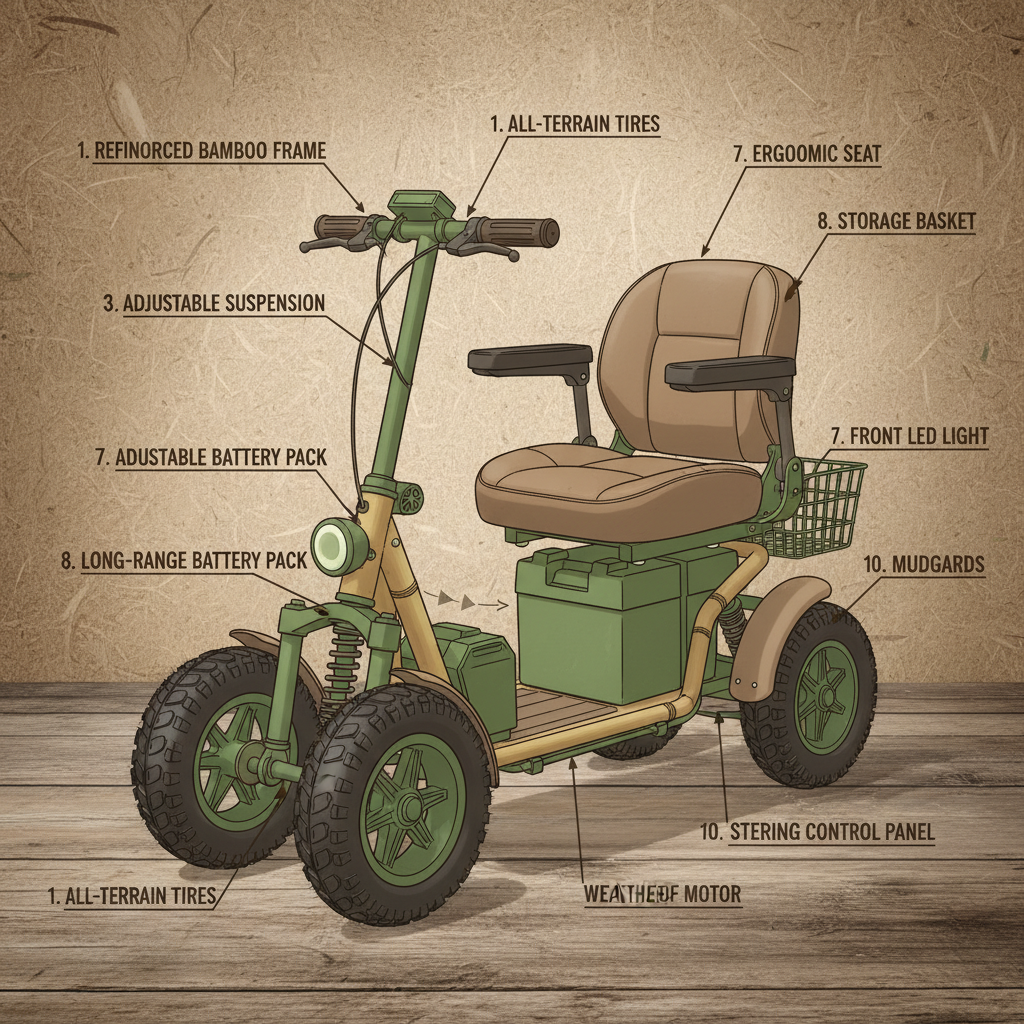
The electric component typically consists of a motor (usually mid-drive or hub-drive), a battery, and a control system. The motor provides assistance to the rider’s pedaling effort, making it easier to climb hills, ride against headwinds, or cover longer distances. The battery stores the energy that powers the motor, and the control system allows the rider to adjust the level of assistance.
Key Characteristics of High-Performance Electric Gravel Bikes
The performance of an electric gravel bike hinges on several key characteristics. First, durability is paramount, as these bikes are designed to withstand the rigors of off-road riding. A robust frame, typically constructed from aluminum, carbon fiber, or steel, is essential for absorbing shocks and maintaining stability. Second, motor power and range directly impact the rider's experience. Higher wattage motors provide more assistance, while larger battery capacities enable longer rides.
Third, component quality plays a crucial role in overall performance and reliability. High-quality brakes, shifters, and suspension systems contribute to a smoother, more controlled, and more enjoyable riding experience. Fourth, tire selection is vital for optimizing grip, comfort, and rolling resistance. Gravel-specific tires with appropriate tread patterns are essential for maximizing traction on loose surfaces. Finally, weight remains an important consideration. A lighter bike is generally easier to handle and maneuver, especially on challenging terrain.
Electric Gravel Bike Performance Indicators
Real-World Applications of Electric Gravel Bikes
Electric gravel bikes are finding applications in a diverse range of scenarios. For adventure tourism, they allow riders to explore remote trails and scenic routes that would be inaccessible on traditional bikes. In commuting, they provide a faster, more efficient, and more enjoyable alternative to cars, especially in hilly or congested areas.
Furthermore, electric gravel bikes are gaining traction in recreational cycling, providing a more accessible and enjoyable experience for riders of all fitness levels. They are also becoming increasingly popular in gravel racing, where the electric assist can provide a competitive edge. In regions like Tuscany, Italy, electric gravel bike rentals are booming, catering to tourists eager to explore the rolling hills and vineyards.
Even in professional contexts, electric gravel bikes are proving their worth. Delivery services are utilizing them for efficient and eco-friendly last-mile deliveries, while park rangers are employing them for patrol duties in challenging terrains. The versatility and reliability of these bikes make them a valuable asset in a variety of real-world applications.
The Advantages of Choosing an Electric Gravel Bike
The benefits of opting for an electric gravel bike are numerous. First and foremost is the enhanced riding experience. The electric assist makes it easier to tackle hills, ride against headwinds, and cover longer distances, allowing riders to enjoy the journey more fully. Secondly, they offer increased accessibility, enabling individuals of varying fitness levels to participate in gravel biking.
Thirdly, they promote sustainable transportation, reducing reliance on fossil fuels and minimizing carbon emissions. Finally, they provide versatility, allowing riders to explore a wide range of terrains and environments. Investing in an electric gravel bike is an investment in both enjoyment and sustainability.
Future Trends in Electric Gravel Bike Technology
The future of electric gravel bike technology is brimming with exciting possibilities. We can anticipate advancements in battery technology, leading to longer ranges and faster charging times. Innovations in motor design will result in lighter, more powerful, and more efficient motors. Furthermore, integrated smart features, such as GPS tracking, performance monitoring, and smartphone connectivity, will become increasingly common.
The development of lighter materials, such as carbon fiber and titanium, will further reduce bike weight, enhancing handling and performance. The integration of regenerative braking systems will allow riders to recapture energy during deceleration, extending battery life. Finally, artificial intelligence (AI) may play a role in optimizing motor assistance based on rider effort and terrain conditions.
These advancements will not only enhance the performance and functionality of electric gravel bikes but also make them more accessible and appealing to a wider audience, solidifying their position as a leading force in the evolving landscape of cycling and sustainable transportation.
Evaluating Electric Gravel Bike Component Lifespan & Maintenance
Understanding the longevity and maintenance requirements of electric gravel bike components is critical for maximizing investment and ensuring optimal performance. Different components exhibit varying lifespans depending on usage, environmental conditions, and quality of construction. Proactive maintenance significantly extends the life of these parts, preventing costly repairs and ensuring a safe and enjoyable riding experience. Regular checks of key systems are essential for a electric gravel bike.
This analysis focuses on four core areas: battery, motor, drivetrain, and frame, assessing their expected lifespan and typical maintenance procedures. By understanding these factors, riders can make informed decisions about maintenance schedules and component replacements, optimizing the overall value and reliability of their electric gravel bike.
Consistent monitoring and appropriate care are paramount to upholding the performance and value of an electric gravel bike. Regularly adhering to manufacturer recommendations for maintenance and addressing issues promptly will not only prolong the lifespan of components but also contribute to a safer and more enjoyable riding experience.
Component Lifespan and Maintenance Requirements
| Component |
Expected Lifespan (Years) |
Maintenance Frequency |
Estimated Maintenance Cost (USD) |
| Battery |
3-5 |
Annual check, proper storage |
\$50-100 |
| Motor |
5-10 |
Annual lubrication, check for wear |
\$75-150 |
| Drivetrain (Chain, Cassette) |
1-3 |
Monthly cleaning & lubrication |
\$30-70 |
| Frame |
10+ |
Annual inspection for cracks or damage |
\$20-50 |
| Brakes (Pads & Rotors) |
2-4 |
Check pad wear every 3 months |
\$40-80 |
| Tires |
1-2 |
Check tread & pressure weekly |
\$60-120 |
FAQS
The range of an electric gravel bike varies significantly based on factors like battery capacity, motor power, terrain, rider weight, and assistance level used. However, most electric gravel bikes offer a range of 30-70 miles (48-113 kilometers) on a single charge. Riders can extend the range by using lower assistance levels and optimizing riding habits. Remember that hilly terrain and heavier loads will reduce the range.
Electric gravel bikes are generally heavier than traditional gravel bikes due to the added weight of the motor, battery, and associated components. A typical electric gravel bike weighs between 45-60 pounds (20-27 kilograms), while a traditional gravel bike usually weighs between 20-30 pounds (9-14 kilograms). However, advancements in battery technology and frame materials are leading to lighter electric gravel bike models.
Electric gravel bikes require both the standard maintenance of a traditional bicycle (chain lubrication, brake adjustments, tire inflation) and specific maintenance for the electric components. This includes regular battery care (proper storage and charging), motor inspections, and checking electrical connections. It’s recommended to have an electric bike specialist perform annual maintenance.
The legality of riding electric gravel bikes on trails varies depending on local regulations. Many jurisdictions classify e-bikes into different classes based on their motor power and assistance level. Class 1 e-bikes (pedal-assist only, max speed of 20 mph) are generally permitted on more trails than Class 2 (throttle-assisted) or Class 3 (higher speed) e-bikes. Always check local trail rules before riding.
Choosing the correct size electric gravel bike is crucial for comfort and performance. Similar to traditional bikes, sizing is based on your height and inseam. Refer to the manufacturer's size chart and, ideally, test ride different sizes to find the best fit. Consider factors like reach, stack, and standover height to ensure a comfortable and efficient riding position.
Mid-drive motors are typically preferred for gravel bikes due to their superior weight distribution and ability to utilize the bike's gears for optimal power delivery. This results in a more natural riding feel and improved climbing performance. Hub-drive motors, while more affordable, can affect the bike's balance and may not provide as much torque on steep inclines.
Conclusion
In summary, the electric gravel bike represents a significant evolution in cycling, offering a versatile, accessible, and sustainable transportation and recreation option. Its unique blend of off-road capability, electric assistance, and modern technology makes it appealing to a broad audience, from seasoned cyclists to newcomers alike. The impact extends beyond individual enjoyment, fostering economic growth, promoting eco-tourism, and contributing to a greener future.
Looking ahead, continued innovation in battery technology, motor design, and smart features will further enhance the performance and functionality of electric gravel bikes. Embracing this technology is not just about enjoying a more enjoyable ride; it's about investing in a more sustainable, accessible, and adventurous future for cycling. Visit our website today to explore our range of electric gravel bikes and discover the freedom of limitless exploration!