The world of childhood is constantly evolving, and with it, the toys and experiences that shape young minds. Among the most popular and rapidly developing categories is the electric children's car, offering a blend of entertainment, skill development, and even a glimpse into the future of sustainable transportation. These miniature vehicles have moved beyond simple battery-powered toys, now featuring realistic designs, enhanced safety features, and a growing emphasis on eco-friendly materials.
The increasing demand for electric children's car is driven by several factors, including rising disposable incomes, a greater focus on outdoor play, and a growing awareness of the environmental impact of traditional toys. Parents are actively seeking products that not only provide enjoyment but also contribute to their child’s development, fostering imagination, coordination, and a sense of responsibility. This trend is reflected in the diverse range of models available, catering to various age groups, interests, and budgets.
Furthermore, the technological advancements in battery technology and motor design have significantly improved the performance and reliability of electric children's car. These advancements have led to longer runtimes, increased speed options, and more robust construction, making them a lasting and rewarding investment for families. The electric children’s car market is a dynamic and exciting space, constantly innovating to meet the needs of a new generation of drivers.
The Rise of Electric Children's Car
The modern electric children's car represents a significant departure from traditional pedal cars and gasoline-powered miniature vehicles. Driven by advances in battery technology and a growing desire for eco-friendly options, these electric-powered rides have become incredibly popular among young children. They offer a safe, enjoyable, and often educational experience, contributing to both physical and cognitive development.
The market has expanded dramatically, with a diverse range of styles available, from miniature SUVs and sports cars to licensed replicas of popular vehicles. This variety caters to different preferences and age groups, ensuring there's an electric children’s car to suit almost every child's interests.
Defining Electric Children's Car
An electric children's car is essentially a miniature vehicle powered by a rechargeable battery. Unlike their gasoline-powered predecessors, these cars produce zero emissions during operation, contributing to a cleaner environment. They are typically designed for single-occupancy and operate at relatively low speeds, prioritizing safety and control for young drivers.
These vehicles aren’t merely toys; they represent a practical application of electric vehicle technology scaled down for younger users. They serve as an early introduction to the principles of electric propulsion and sustainable transportation, potentially sparking an interest in STEM fields. The connection to the broader automotive industry and environmental awareness makes them a significant modern product.
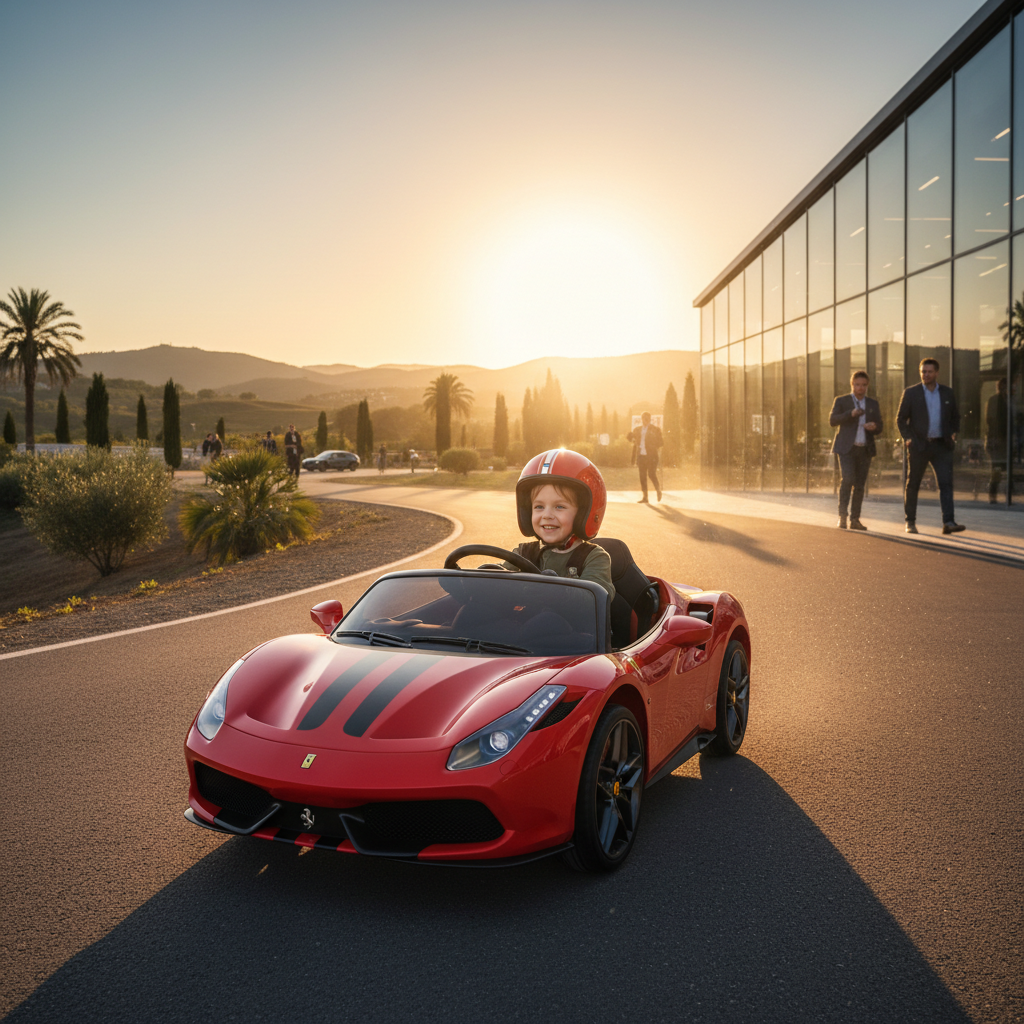
Furthermore, electric children's car often feature realistic details, such as working headlights, horns, and even music players, enhancing the overall play experience and stimulating imaginative role-playing. They encourage outdoor activity and provide a sense of independence and accomplishment for young children.
Key Components and Features
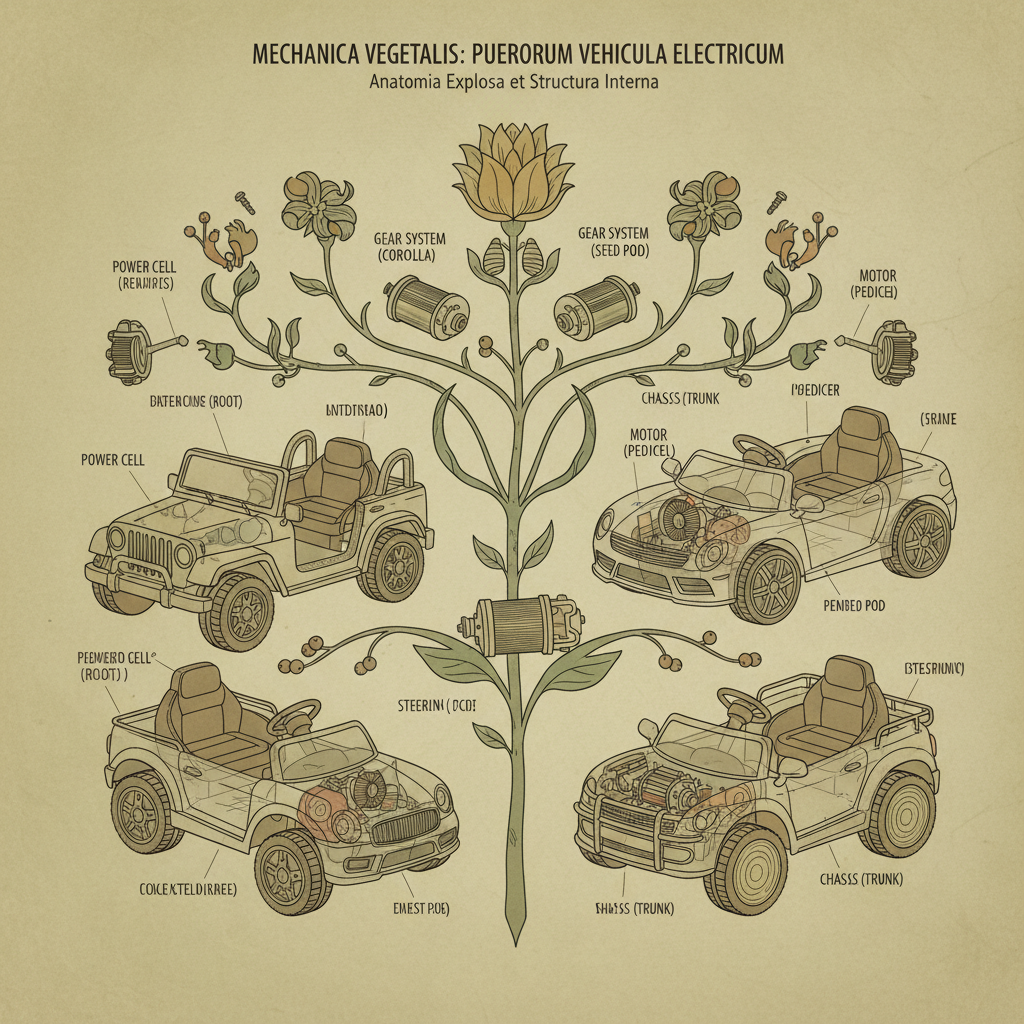
Several core components determine the quality and performance of an electric children's car. The battery, typically a lead-acid or lithium-ion type, dictates the runtime and overall power. The motor, responsible for driving the wheels, influences speed and torque. A robust chassis and suspension system ensure stability and a comfortable ride.
Key features often include multiple speed settings, remote control functionality for parental supervision, realistic sound effects, and safety features like seatbelts and automatic braking systems. The materials used in construction—such as durable plastics and metal frames—also contribute to the vehicle’s longevity and safety.
Durability is paramount, especially given the intended user group. High-quality electric children's car use robust materials that can withstand the inevitable bumps and scrapes of outdoor play. Scalability refers to the range of models available, from smaller ride-ons for toddlers to larger, more sophisticated vehicles for older children. Cost-efficiency balances affordability with features and performance. Finally, safety, encompassing features like speed control and braking systems, is the most critical factor.
Modern electric children's car increasingly incorporate technological advancements, such as Bluetooth connectivity for music streaming and USB charging ports. These features elevate the play experience and align with the expectations of digitally native children.
Performance Metrics of Electric Children's Car
Assessing the performance of an electric children’s car requires evaluating several key metrics. Runtime, measured in hours, indicates how long the vehicle can operate on a single charge. Speed, typically ranging from 2 to 6 mph, should be age-appropriate and adjustable. Weight capacity dictates the maximum rider weight the vehicle can safely accommodate.
Other important factors include battery charging time, the terrain capabilities of the vehicle (e.g., can it handle grass or slight inclines?), and the responsiveness of the steering and braking systems. These metrics provide a comprehensive understanding of the vehicle's usability and overall value.
Electric Children's Car Performance Ratings
Global Applications and Market Trends
The electric children's car market is experiencing significant growth globally, with key regions including North America, Europe, and Asia-Pacific. Demand is particularly strong in countries with high disposable incomes and a growing awareness of environmental issues. Retail channels include online marketplaces, toy stores, and department stores.
The market is segmented based on age group, vehicle type (e.g., SUVs, sports cars, trucks), and price range. Licensed character vehicles—featuring popular cartoon or movie franchises—are particularly popular among younger children. The trend towards eco-friendly materials and sustainable manufacturing processes is also gaining momentum.
Manufacturers are increasingly focusing on innovation, developing vehicles with advanced features and improved safety standards. The integration of smart technology, such as remote control apps and GPS tracking, is also becoming more common, enhancing the overall user experience.
Advantages and Long-Term Value
The advantages of electric children's car are numerous. They offer a safe and enjoyable alternative to traditional gasoline-powered vehicles, producing zero emissions and minimizing environmental impact. Their quiet operation reduces noise pollution, making them suitable for residential areas.
From a long-term perspective, they offer a cost-effective solution, requiring less maintenance and fuel (electricity) compared to their gasoline counterparts. They promote physical activity and imaginative play, contributing to a child's overall development. Moreover, they instill an early appreciation for sustainable technology and responsible environmental practices.
Future Innovations in Electric Children's Car
The future of electric children's car is poised for significant innovation. We can expect to see advancements in battery technology, leading to longer runtimes and faster charging times. The integration of artificial intelligence (AI) could enable features like autonomous driving within a limited range and enhanced safety systems.
Sustainable materials, such as bio-plastics and recycled components, will become increasingly prevalent, reducing the environmental footprint of these vehicles. The development of modular designs will allow for easy customization and upgrades. The convergence of electric children's car with virtual reality (VR) and augmented reality (AR) could create immersive and interactive play experiences.
FAQS
The lifespan of an electric children's car battery varies depending on usage and maintenance. Lead-acid batteries generally last 1-3 years, while lithium-ion batteries can last 3-5 years or longer with proper care. Regular charging and avoiding over-discharge can significantly extend battery life. It's crucial to follow the manufacturer's recommendations for charging and storage.
Electric children's cars are designed with safety in mind, but parental supervision is always necessary. Features like speed control, seatbelts, and remote control functionality enhance safety. Ensure the vehicle is operated in a safe environment, away from traffic and obstacles. Regularly inspect the vehicle for any damage or defects.
Lead-acid batteries are more affordable but heavier and have a shorter lifespan. Lithium-ion batteries are lighter, last longer, and offer better performance, but they are more expensive. Lithium-ion batteries also charge faster and are more environmentally friendly. The choice depends on your budget and desired performance level.
Most electric children's cars are designed for use on relatively flat, smooth surfaces. Some models with larger tires and more powerful motors can handle grass and slight inclines. However, avoid using them on steep hills or rough terrain, as this can damage the vehicle and pose a safety risk.
Regular maintenance is key. Keep the battery fully charged, clean the vehicle regularly, and inspect the tires and other components for wear and tear. Store the vehicle in a dry place when not in use. Follow the manufacturer’s instructions for maintenance and repairs.
Yes, every electric children's car has a specified weight limit, which is critical for safe operation. Exceeding the weight limit can compromise the vehicle’s stability and performance, potentially leading to accidents or damage. Always check the manufacturer’s specifications and ensure the rider’s weight is within the recommended range.
Conclusion
In conclusion, the electric children's car represents a compelling blend of entertainment, education, and sustainability. These miniature vehicles offer a safe and engaging way for children to explore their imaginations, develop essential skills, and learn about the benefits of electric propulsion. The market is dynamic, driven by innovation and a growing awareness of environmental responsibility.
Looking ahead, we can anticipate further advancements in battery technology, materials, and smart features, making electric children’s car even more appealing and practical. By choosing an electric children's car, parents are not only providing their children with a fun and exciting toy but also contributing to a more sustainable future. Visit our website at electric children's car to explore our wide range of options today!