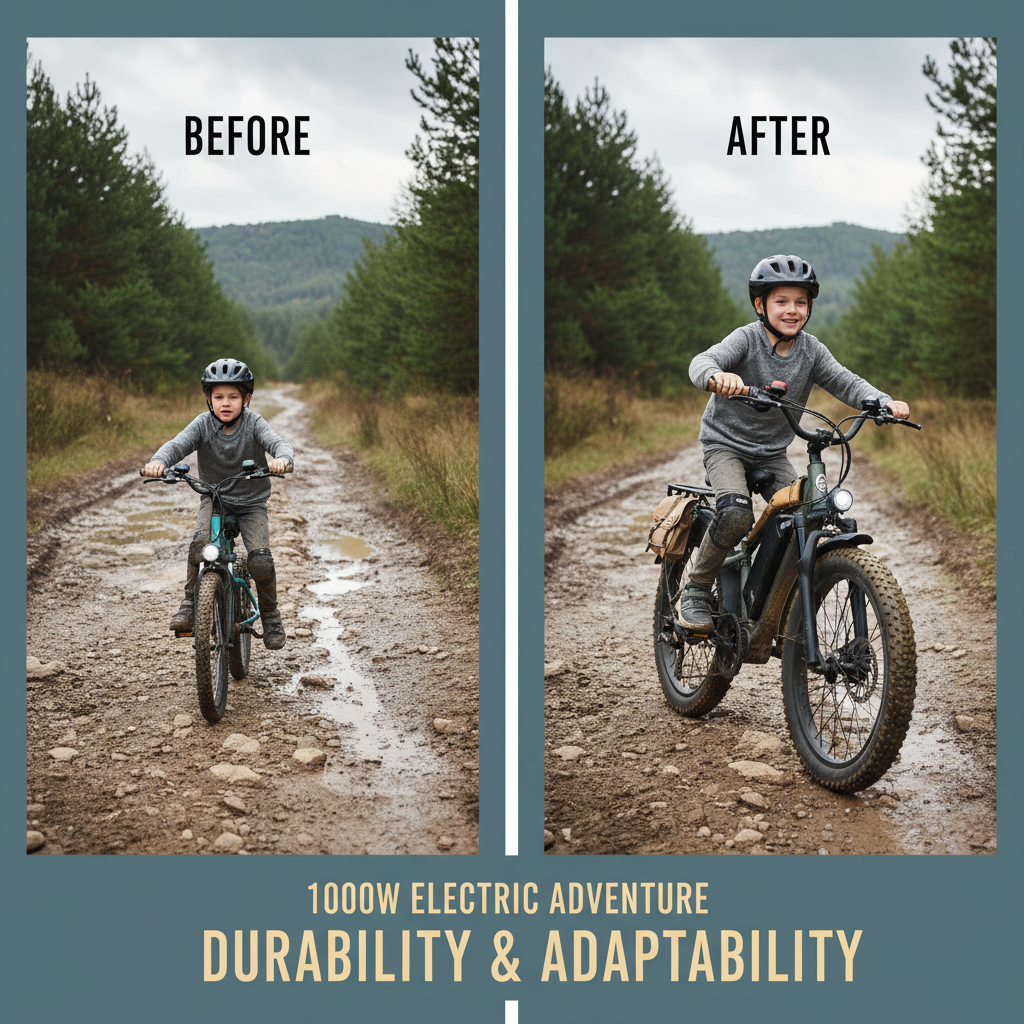
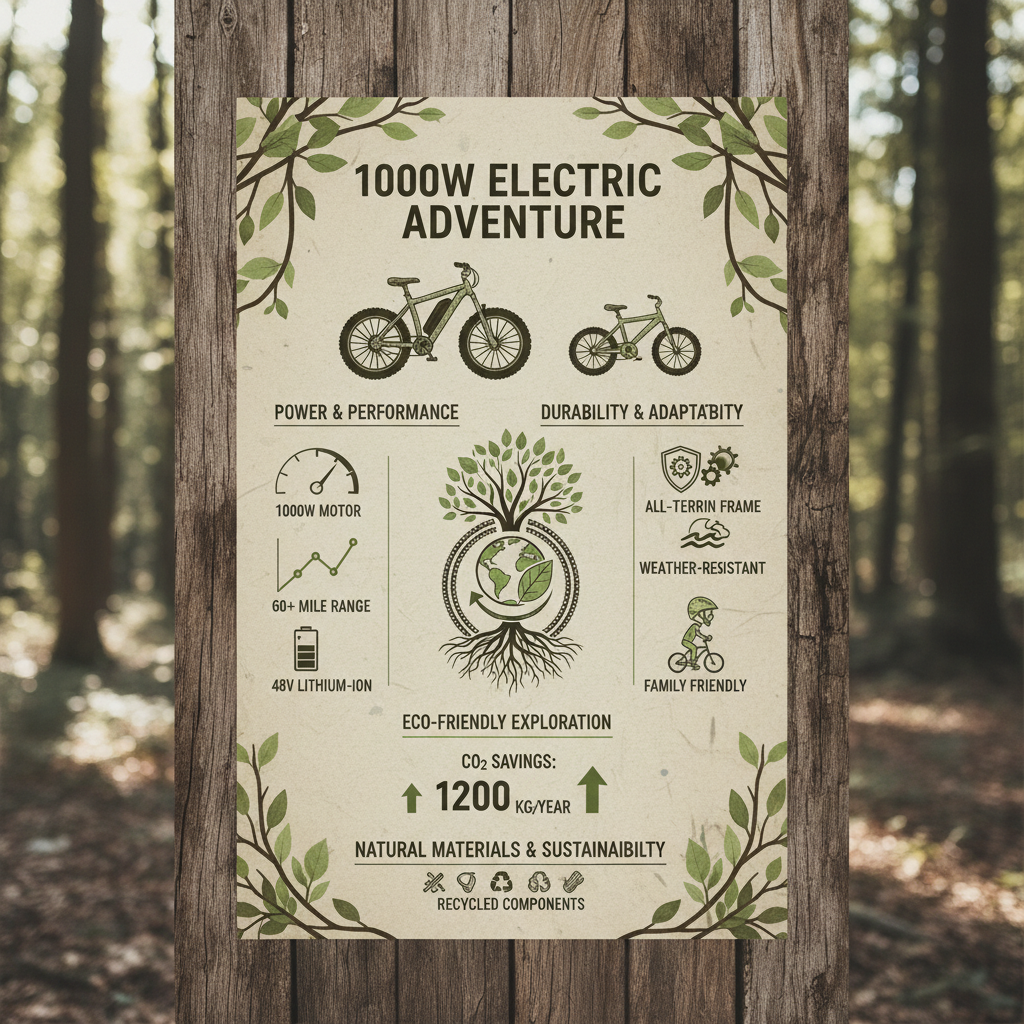
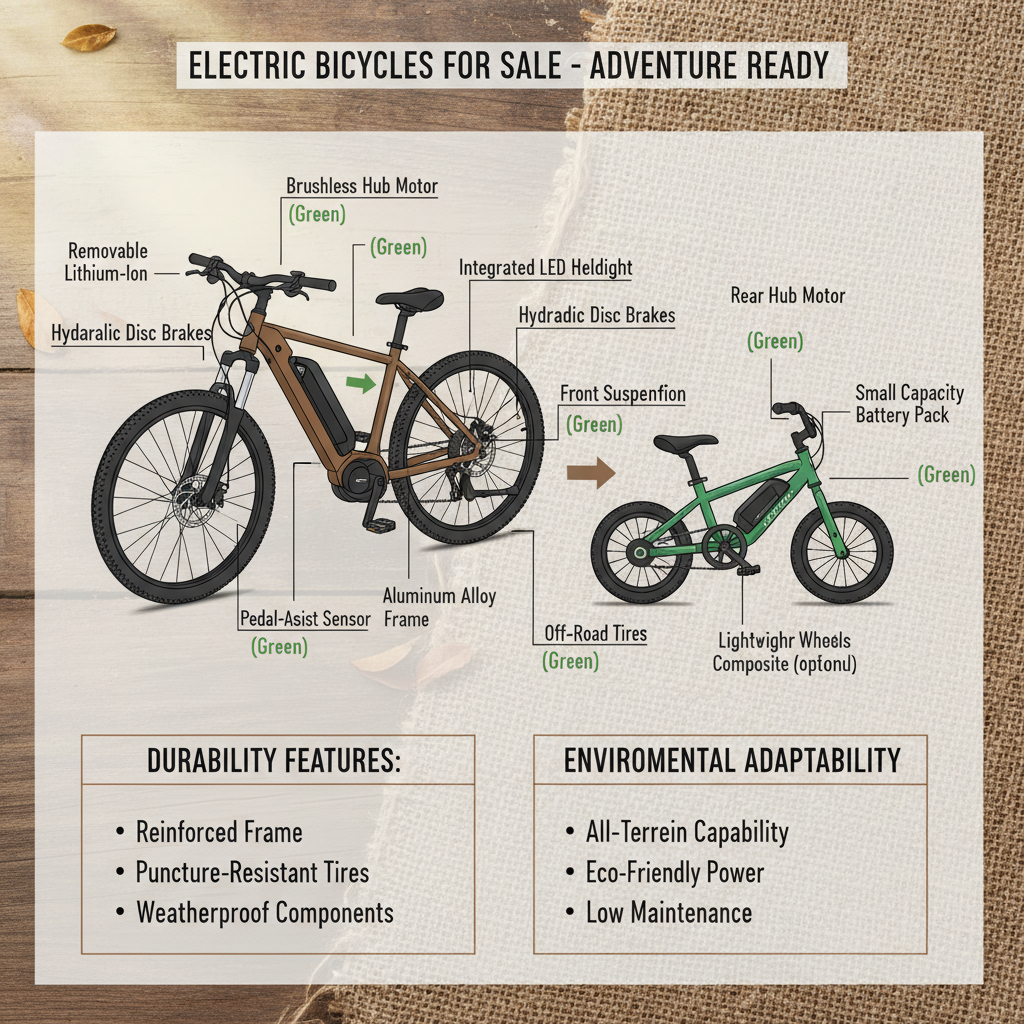
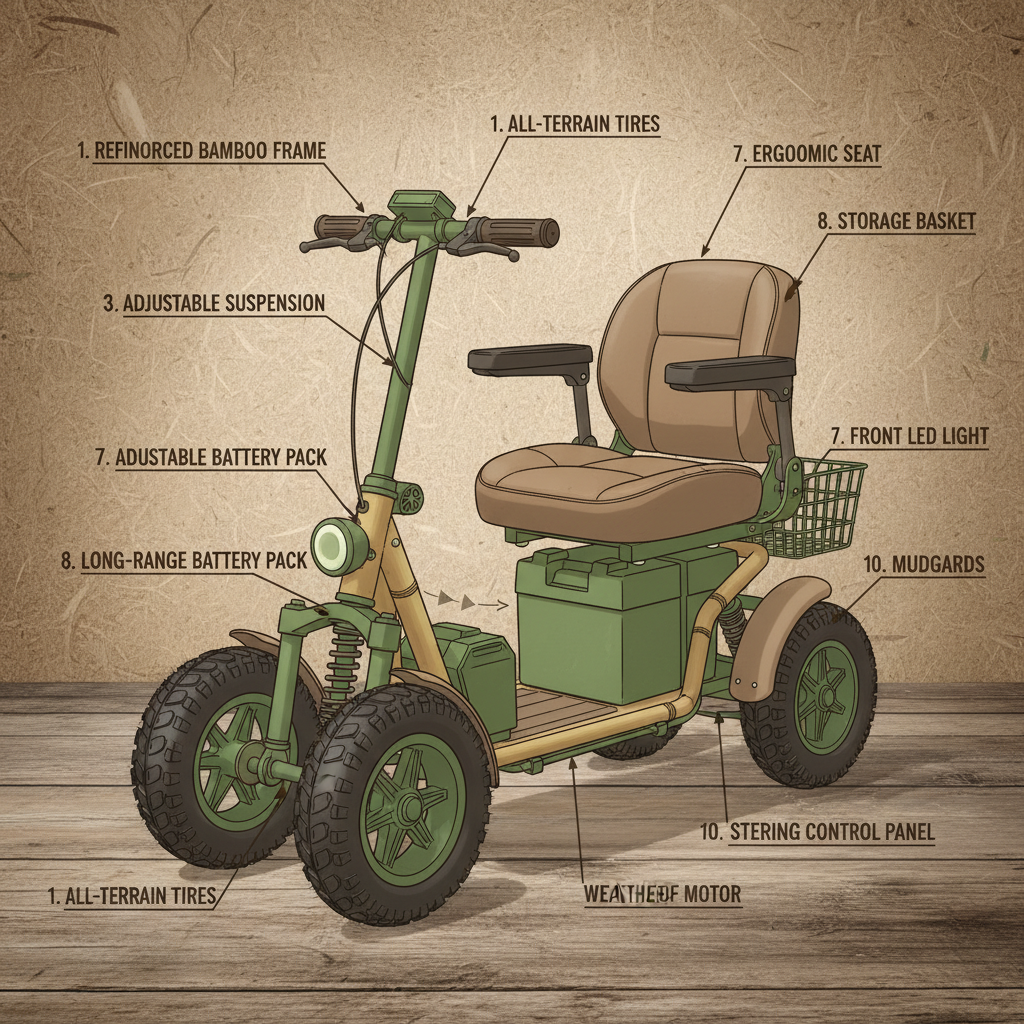
The 1000w electric bike represents a significant leap in personal transportation, combining the benefits of traditional cycling with the power and convenience of electric assistance. Globally, the demand for e-bikes is surging, driven by factors like rising fuel costs, increased environmental awareness, and a desire for healthier lifestyles. A recent report by the UN Environment Programme highlights the potential of e-bikes to reduce carbon emissions in urban areas, contributing to sustainable development goals. Understanding the nuances of a 1000w electric bike – its capabilities, regulations, and optimal use – is increasingly vital for consumers, businesses, and policymakers alike.
Within the bicycle industry, specifically focusing on electric bicycles, the 1000w category occupies a powerful niche. This wattage level offers a compelling balance between performance, range, and legal compliance in many regions. It caters to riders who require substantial assistance for tackling challenging terrains, commuting long distances, or carrying heavy loads. The rise of 1000w electric bikes signals a shift towards more robust and versatile e-bike options, responding to the evolving needs of a diverse user base.
The core benefits are clear: enhanced commuting, recreational versatility, and environmental contribution. Beyond the individual, widespread adoption of 1000w electric bikes can positively impact traffic congestion, air quality, and public health.
The Rise of 1000w Electric Bikes
The global e-bike market is experiencing explosive growth, and 1000w electric bikes are playing a pivotal role in this expansion. Driven by increasing urbanization, environmental concerns, and a desire for efficient transportation solutions, consumers are actively seeking powerful and versatile e-bikes. This trend is particularly pronounced in regions with hilly terrain or long commuting distances, where the added assistance of a 1000w motor is highly valued. The appeal extends beyond purely utilitarian uses; enthusiasts also gravitate towards these bikes for their ability to tackle challenging off-road trails and provide an exhilarating riding experience.
The 1000w designation represents a significant power level, enabling riders to maintain higher speeds, climb steeper inclines, and carry heavier loads with ease. This capability distinguishes them from lower-wattage e-bikes, making them suitable for a wider range of applications and rider profiles. As battery technology continues to improve, the range and efficiency of 1000w electric bikes are also increasing, further enhancing their practicality and appeal.
Defining the 1000w Electric Bike
A 1000w electric bike is a bicycle equipped with an electric motor capable of delivering 1000 watts of continuous power. This power assists the rider's pedaling, making it easier to overcome hills, headwinds, and long distances. Crucially, the 1000w rating refers to the motor’s nominal power output, with peak outputs often higher. These bikes typically feature a lithium-ion battery, a controller, and sensors that monitor pedaling and speed to regulate the motor's assistance. The legal classification of 1000w e-bikes varies significantly by region, often falling into a category requiring registration and potentially licensing.
Connecting this to modern industry, 1000w electric bikes are a direct result of advancements in battery chemistry, motor technology, and control systems. They represent an innovative solution to the challenges of urban mobility, offering a sustainable and efficient alternative to traditional vehicles. For humanitarian needs, these bikes can provide vital transportation in areas with limited infrastructure or for individuals with mobility impairments. They offer a practical and affordable means of accessing essential services and opportunities.
Understanding the nuances of power, battery capacity, and legal regulations surrounding 1000w electric bikes is essential for both consumers and manufacturers. Proper selection and usage are key to maximizing performance, ensuring safety, and complying with local laws.
Core Components and Performance Factors
Several key factors determine the performance and reliability of a 1000w electric bike. Motor Quality: The motor is the heart of the system, and its quality directly impacts power, efficiency, and longevity. Brushless motors are generally preferred for their durability and quieter operation. Battery Capacity: Measured in watt-hours (Wh), battery capacity dictates the range of the bike. Larger batteries provide greater range but also add weight.
Frame Material & Design: The frame should be robust enough to handle the added weight of the motor and battery while remaining lightweight for efficient riding. Aluminum alloy and carbon fiber are common choices. Controller Technology: A sophisticated controller optimizes power delivery, ensuring smooth acceleration and efficient energy use. Braking System: Powerful and reliable brakes are essential for safely controlling a faster and heavier e-bike. Hydraulic disc brakes are generally preferred for their superior stopping power.
These components work in harmony, and a weakness in any one area can significantly compromise the overall performance. For example, a powerful motor paired with a small battery will deliver exhilarating acceleration but limited range. Conversely, a large battery attached to a flimsy frame will result in a cumbersome and unstable ride. Carefully considering these factors is critical when selecting a 1000w electric bike.
Beyond the core components, factors like tire pressure, rider weight, and terrain also play a crucial role in determining the bike’s performance. Regular maintenance, including proper battery care and brake adjustments, is essential for maximizing the lifespan and reliability of a 1000w electric bike.
Global Applications and Use Cases
The versatility of the 1000w electric bike extends to a wide range of applications across the globe. In urban environments, they serve as efficient and eco-friendly commuting solutions, reducing reliance on cars and alleviating traffic congestion. Delivery services are increasingly adopting 1000w electric bikes for faster and more cost-effective deliveries, particularly in densely populated areas.
In rural and remote regions, these bikes provide access to essential services and opportunities for individuals who may not have access to traditional transportation. They are particularly valuable in areas with challenging terrain or limited infrastructure. For instance, in post-disaster relief operations, 1000w electric bikes can be used to transport supplies and personnel to affected areas quickly and efficiently.
Furthermore, industries like tourism and recreation are leveraging 1000w electric bikes to offer guided tours and explore off-road trails. These bikes provide a unique and sustainable way for visitors to experience the natural beauty of a region.
1000w Electric Bike Application Breakdown
Advantages and Long-Term Value
The advantages of investing in a 1000w electric bike are multifaceted. Economically, they offer substantial cost savings compared to cars or motorcycles, reducing expenses on fuel, maintenance, and parking. Environmentally, they produce zero emissions, contributing to cleaner air and a reduced carbon footprint. From a health perspective, they encourage physical activity while providing assistance when needed, making cycling accessible to a wider range of individuals.
Beyond these tangible benefits, 1000w electric bikes offer long-term value by promoting sustainability, enhancing quality of life, and fostering a sense of independence. The reliability and durability of well-maintained 1000w electric bikes provide peace of mind and a lasting investment. The feeling of freedom and enjoyment associated with riding these bikes contributes to overall well-being.
Future Trends and Innovations
The future of 1000w electric bikes is bright, with ongoing innovations promising even greater performance and versatility. Advancements in battery technology, such as solid-state batteries, will lead to increased energy density, faster charging times, and improved safety. Integration of artificial intelligence (AI) and machine learning (ML) will enable smarter power management, predictive maintenance, and personalized riding experiences.
Furthermore, the development of lightweight materials, such as carbon fiber and advanced alloys, will result in lighter and more efficient bikes. The integration of digital connectivity features, such as GPS tracking and smartphone integration, will enhance security and convenience. The rise of sustainable manufacturing practices and the use of recycled materials will further reduce the environmental impact of 1000w electric bikes.
Challenges and Solutions
Despite their numerous advantages, 1000w electric bikes face certain challenges. Regulatory inconsistencies across different regions can create confusion and hinder market growth. The initial cost of these bikes can be relatively high compared to traditional bicycles, although prices are gradually decreasing. Concerns about battery life and replacement costs are also prevalent.
Addressing these challenges requires collaborative efforts from manufacturers, policymakers, and consumers. Standardizing regulations, offering financial incentives, and promoting battery recycling programs can help overcome these hurdles. Continued investment in research and development will drive down costs and improve battery technology. Educating consumers about proper maintenance and safe riding practices is also crucial.
Furthermore, improving the infrastructure for e-bike charging and storage, such as installing charging stations in public spaces, will encourage wider adoption.
Overview of 1000w Electric Bike Maintenance and Reliability
| Component |
Maintenance Frequency |
Potential Issues |
Reliability Score (1-10) |
| Motor |
Annual Inspection |
Overheating, bearing failure |
8 |
| Battery |
Quarterly Check, proper storage |
Capacity degradation, cell imbalance |
7 |
| Brakes |
Monthly Inspection & Adjustment |
Pad wear, hydraulic fluid leaks |
9 |
| Tires |
Weekly Inflation Check |
Punctures, tread wear |
6 |
| Controller |
Annual Professional Check |
Software glitches, component failure |
7 |
| Frame |
Annual Inspection for cracks |
Fatigue, corrosion |
9 |
FAQS
The range of a 1000w electric bike varies significantly based on factors like battery capacity, terrain, rider weight, and assistance level used. Generally, you can expect between 30-60 miles on a single charge. However, aggressive riding and steep hills will reduce the range. Choosing a battery with a higher watt-hour (Wh) rating will maximize your range. Understanding your typical riding conditions is crucial for selecting the right battery capacity.
The legality of riding a 1000w electric bike varies greatly depending on your location. Many jurisdictions classify them as a different category than lower-wattage e-bikes, potentially requiring registration, licensing, and adherence to specific speed limits. Some trails may also restrict access to high-powered e-bikes. Always check local regulations before riding to ensure compliance and avoid potential penalties.
1000w electric bikes require slightly more maintenance than traditional bicycles due to the added complexity of the electric components. Regular checks of the battery, motor, brakes, and tires are essential. Annual professional servicing is recommended to ensure optimal performance and safety. Proper battery care, including charging and storage, is crucial for maximizing its lifespan.
The lifespan of a 1000w electric bike battery typically ranges from 300 to 1000 charge cycles, depending on usage and care. Factors like charging habits, storage conditions, and riding style can significantly impact battery life. Over time, the battery's capacity will gradually decrease, resulting in reduced range. Proper battery maintenance can help extend its lifespan.
Yes, 1000w electric bikes are excellent for commuting, especially for those with longer distances or hilly routes. The powerful motor provides ample assistance, making commuting faster and less strenuous. They can help you arrive at work fresh and avoid getting sweaty. Ensure your commute complies with local e-bike regulations.
1000w electric bikes are significantly heavier than traditional bicycles due to the added weight of the motor, battery, and controller. The average weight ranges from 50 to 70 pounds, depending on the frame material and components. While heavier, the electric assistance largely compensates for the weight, making them easier to ride uphill and over longer distances.
Conclusion
In conclusion, the 1000w electric bike represents a powerful and versatile transportation solution poised to play an increasingly important role in shaping the future of mobility. Its blend of performance, convenience, and sustainability makes it an attractive option for a wide range of users, from commuters and delivery personnel to recreational riders and adventurers. Understanding its core components, applications, and potential challenges is crucial for maximizing its benefits and ensuring its responsible adoption.
Looking ahead, continued innovation in battery technology, motor design, and regulatory frameworks will further unlock the potential of 1000w electric bikes. Embracing this technology requires a commitment to sustainability, safety, and informed decision-making. Visit our website at yanlinebike.com to explore our range of 1000w electric bikes and find the perfect model to meet your needs.