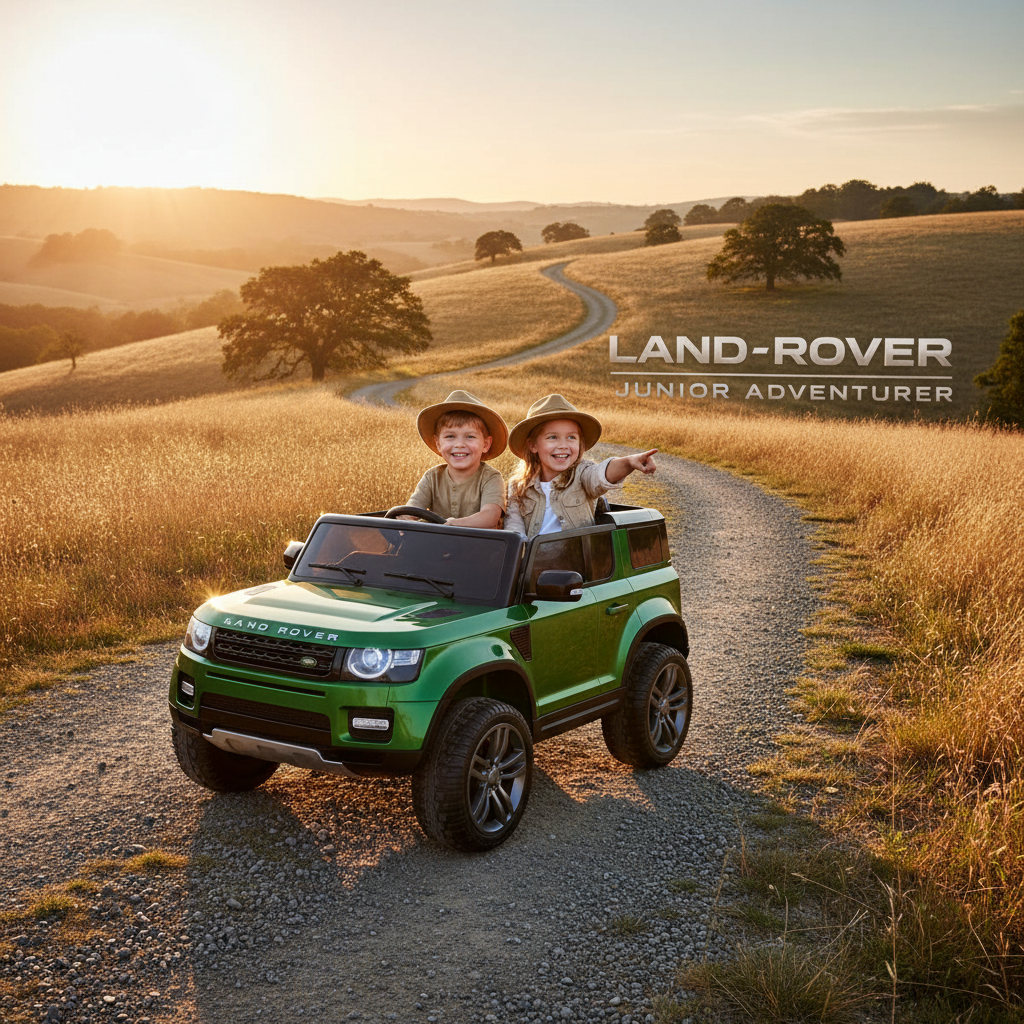
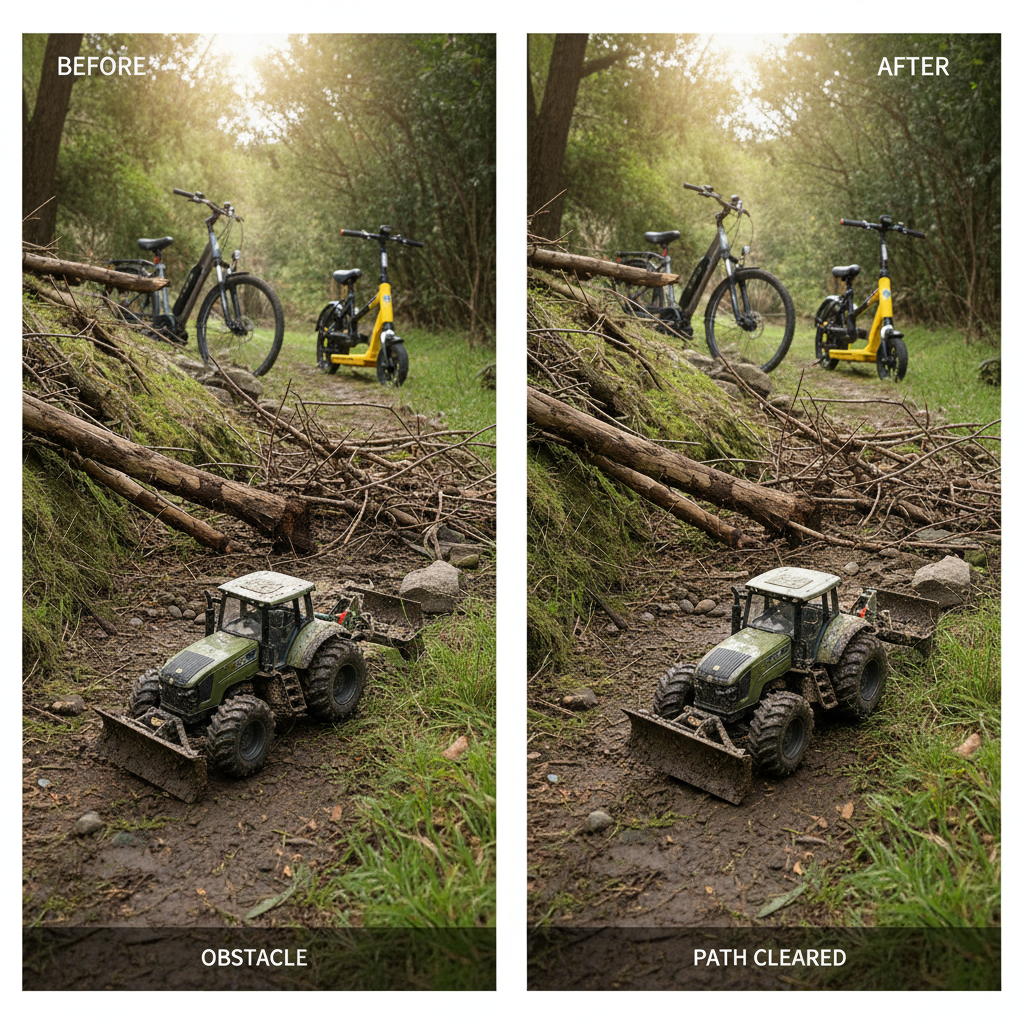
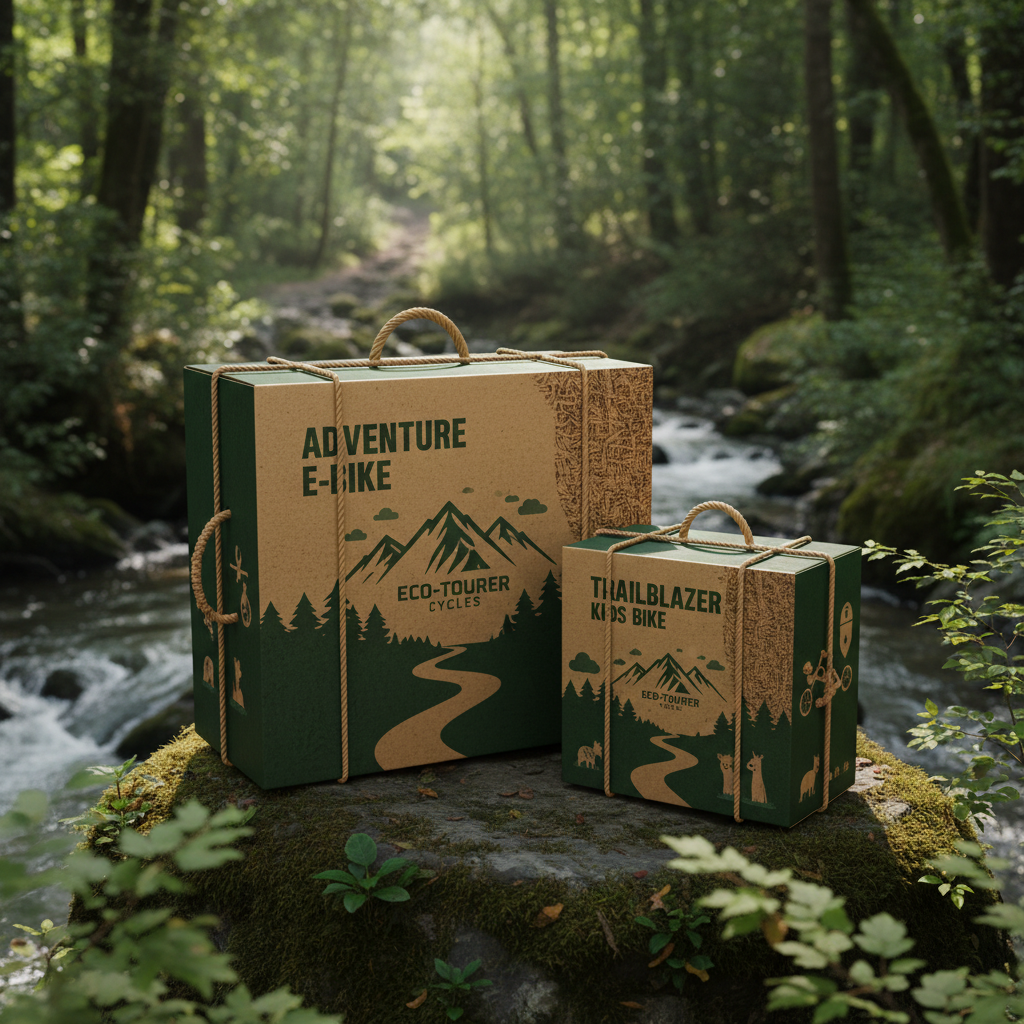
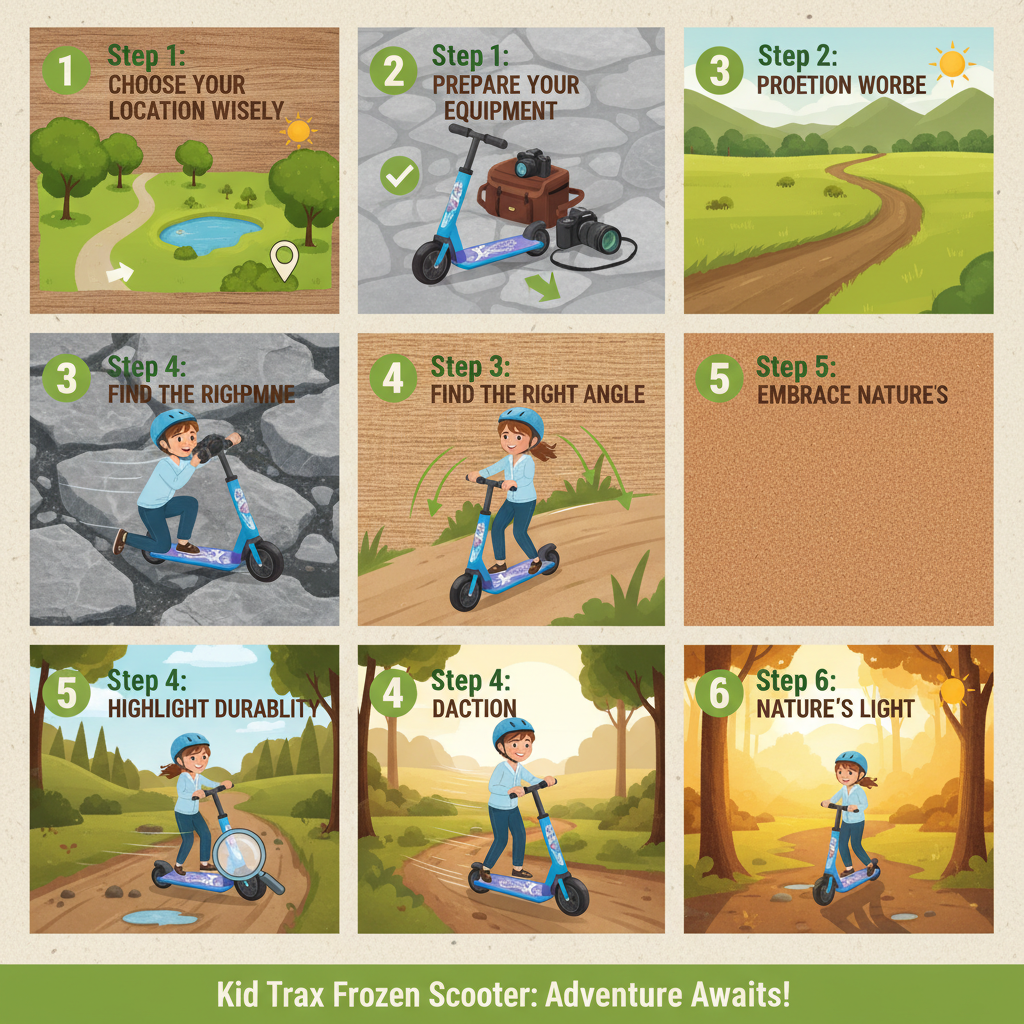
The world of children's transportation is evolving, and two seater children's electric cars are at the forefront of this change. These vehicles aren’t just toys; they represent a shift towards more engaging and accessible outdoor play, fostering independence and social interaction among young children. The increasing demand globally reflects a growing desire for safe, fun, and technologically advanced options for kids’ entertainment.
The rise in popularity of two seater children's electric cars is further fueled by parents seeking alternatives to traditional sedentary activities. Concerns about screen time and a desire to encourage physical activity contribute to the appeal. Moreover, these cars often mimic the design of real vehicles, sparking imagination and providing a unique role-playing experience.
Understanding the features, benefits, and considerations surrounding these vehicles is becoming increasingly important for parents, retailers, and manufacturers alike. From safety features to battery life, a comprehensive knowledge base ensures a positive and enriching experience for children while offering peace of mind to adults.
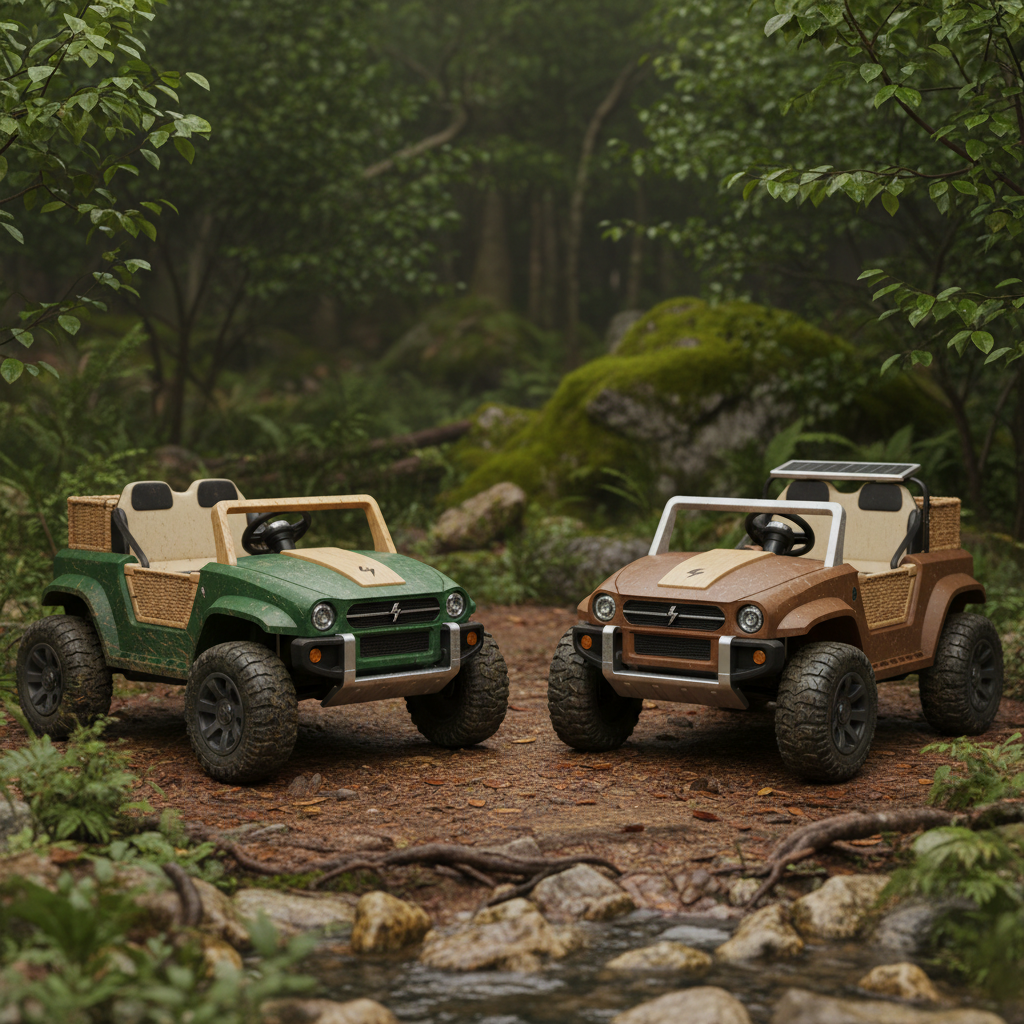
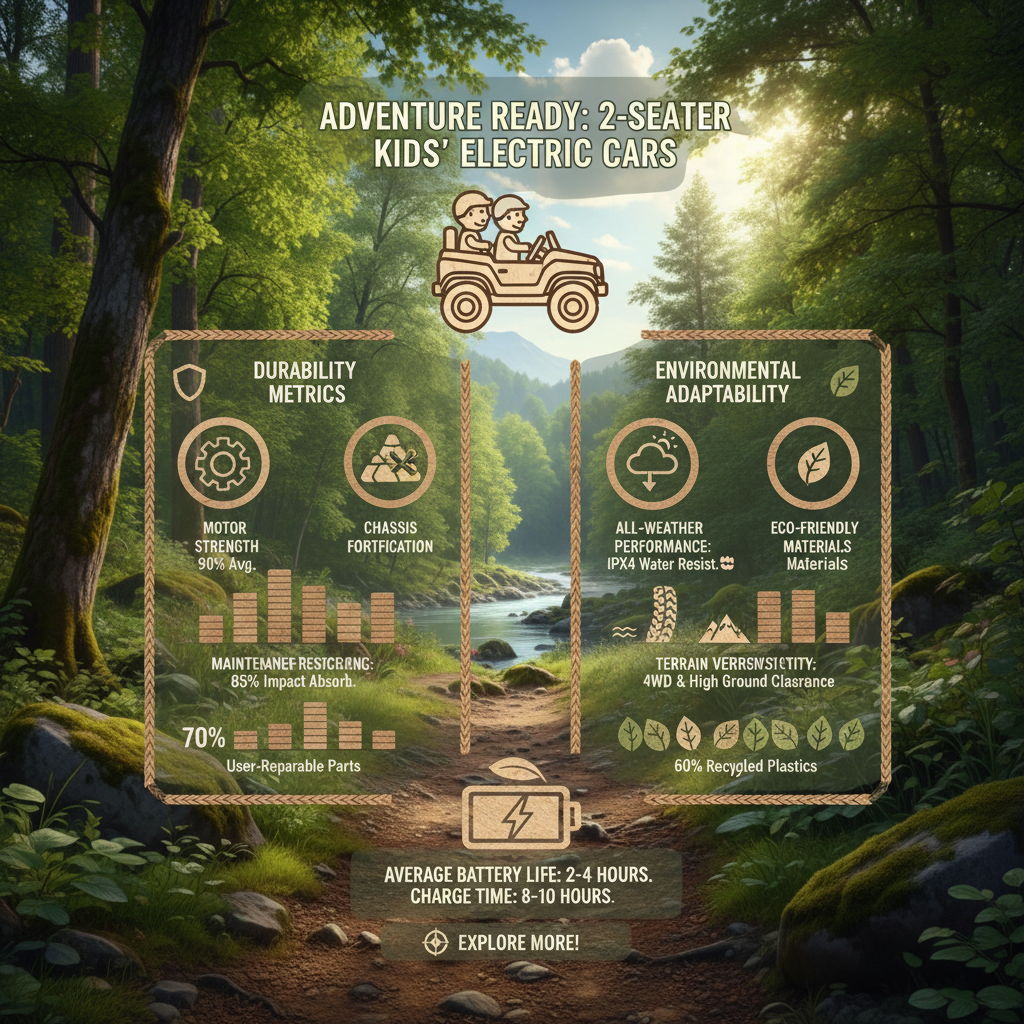
The demand for two seater children's electric cars has seen a significant surge in recent years, driven by evolving parental preferences and technological advancements. This growth isn't limited to specific regions; it's a global phenomenon with increasing sales across North America, Europe, and Asia. Data suggests a market expansion rate of approximately 8-12% annually, indicating a consistent and strong consumer interest.
This growing market is attributed to several factors, including the desire for outdoor play, the appeal of mimicking adult vehicles, and the perception of these cars as a fun and engaging alternative to screen-based entertainment. Manufacturers are responding by incorporating more sophisticated features and designs, further fueling the demand for these innovative toys.
Most two seater children's electric cars are designed for children aged 3 to 8 years old, but this can vary depending on the model's size and weight capacity. Always check the manufacturer's specifications and ensure the vehicle is appropriate for the child’s age, height, and maturity level. Parental supervision is crucial, especially for younger children, to ensure safe operation and adherence to speed limits.
Battery life varies considerably based on factors like the vehicle's size, terrain, and the weight of the passengers. Generally, you can expect between 1 to 3 hours of continuous use on a fully charged battery. Some models offer extended battery life, while others may have replaceable batteries for uninterrupted playtime. It’s always best to consult the product specifications for accurate battery life information.
Prioritize models with features like functioning seatbelts, responsive brakes, adjustable speed settings, and a remote control option for parental override. Ensure the vehicle meets relevant safety standards (like ASTM in the US). A durable construction with high-quality materials also contributes to overall safety. Regularly inspect the vehicle for any signs of wear and tear.
While many models are designed for smooth surfaces like paved driveways and sidewalks, their performance on rough or uneven terrain can be limited. Some vehicles offer better suspension and tire tread for slightly more challenging surfaces, but it's generally advisable to avoid steep hills, gravel, or off-road conditions to ensure stability and prevent damage.
Regular maintenance includes checking the battery charge, inspecting the tires for wear, and cleaning the vehicle. Lubricate moving parts as needed. Store the vehicle in a dry place, and avoid exposing it to extreme temperatures. Follow the manufacturer’s instructions for battery care and charging to maximize its lifespan.
To maximize battery life, avoid fully discharging the battery before recharging. Follow the manufacturer's recommended charging schedule. Store the battery in a cool, dry place when not in use, and avoid extreme temperatures. Using the correct charger and avoiding overcharging are also essential for battery health. Consider a battery maintenance charger during long periods of storage.
Two seater children's electric cars represent a dynamic fusion of entertainment, technology, and developmental play. Their increasing popularity reflects a broader shift towards engaging and active childhood experiences. By understanding the key features, safety considerations, and future trends, parents and consumers can make informed decisions and enjoy the numerous benefits these vehicles offer.
Looking ahead, innovations in battery technology, sustainable materials, and smart features will further enhance the appeal and value of these vehicles. As the market matures, a continued focus on safety, durability, and environmental responsibility will be crucial for long-term success. Visit our website at www.yanlinebike.com to explore our range of two seater children's electric cars and find the perfect model for your family.