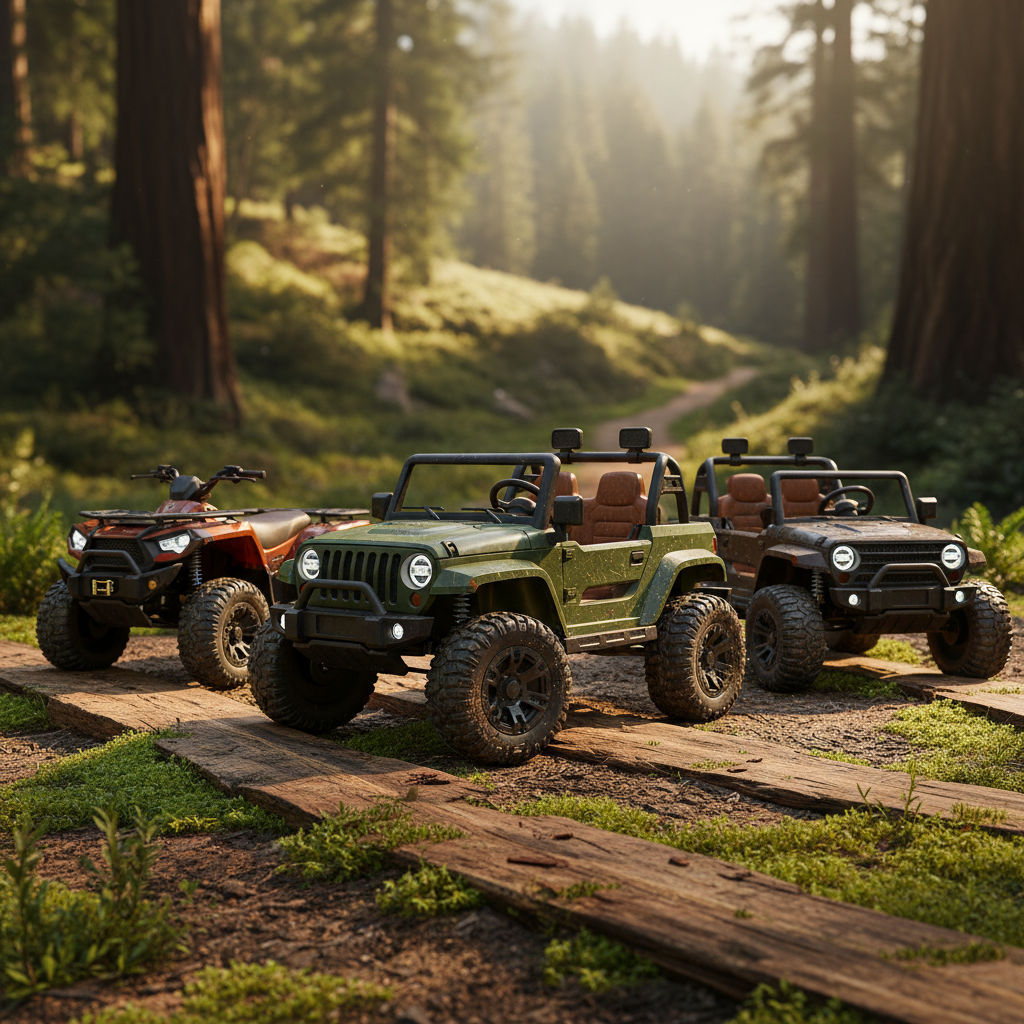
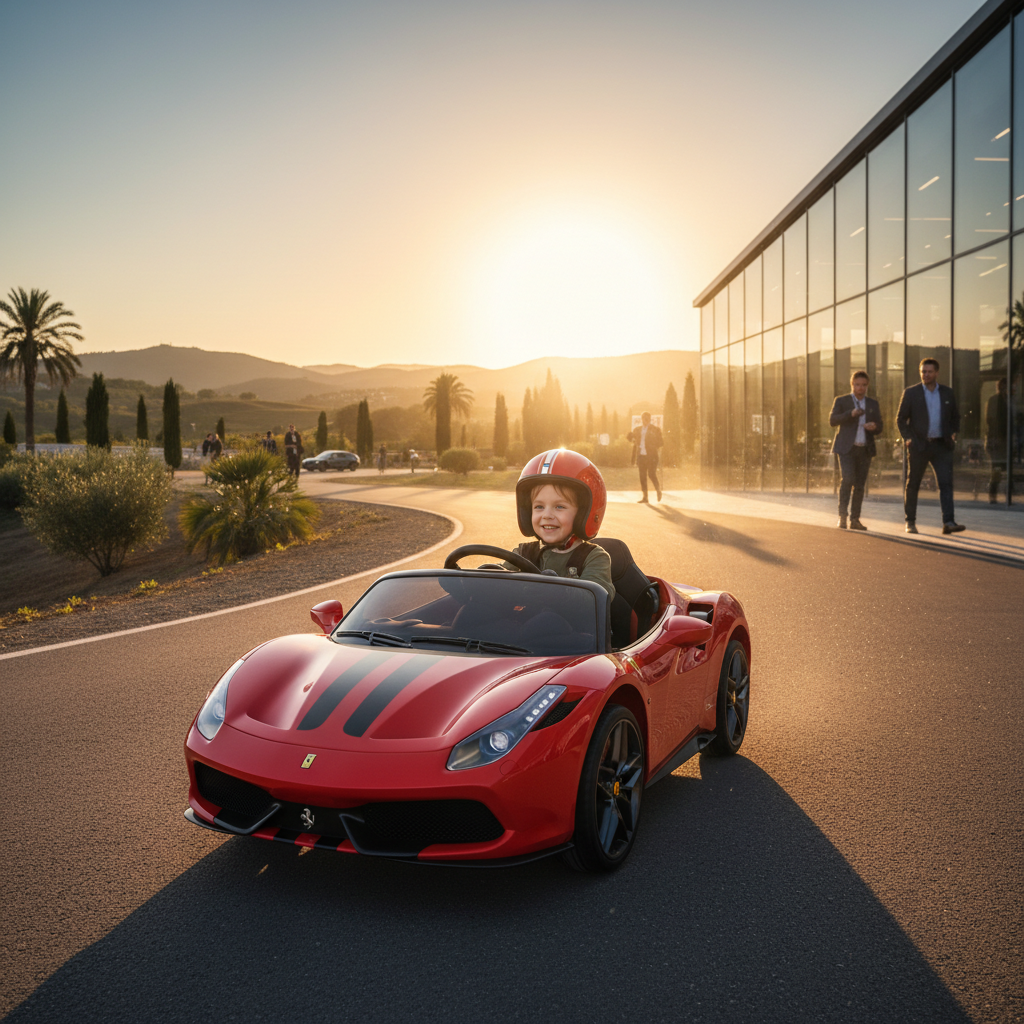
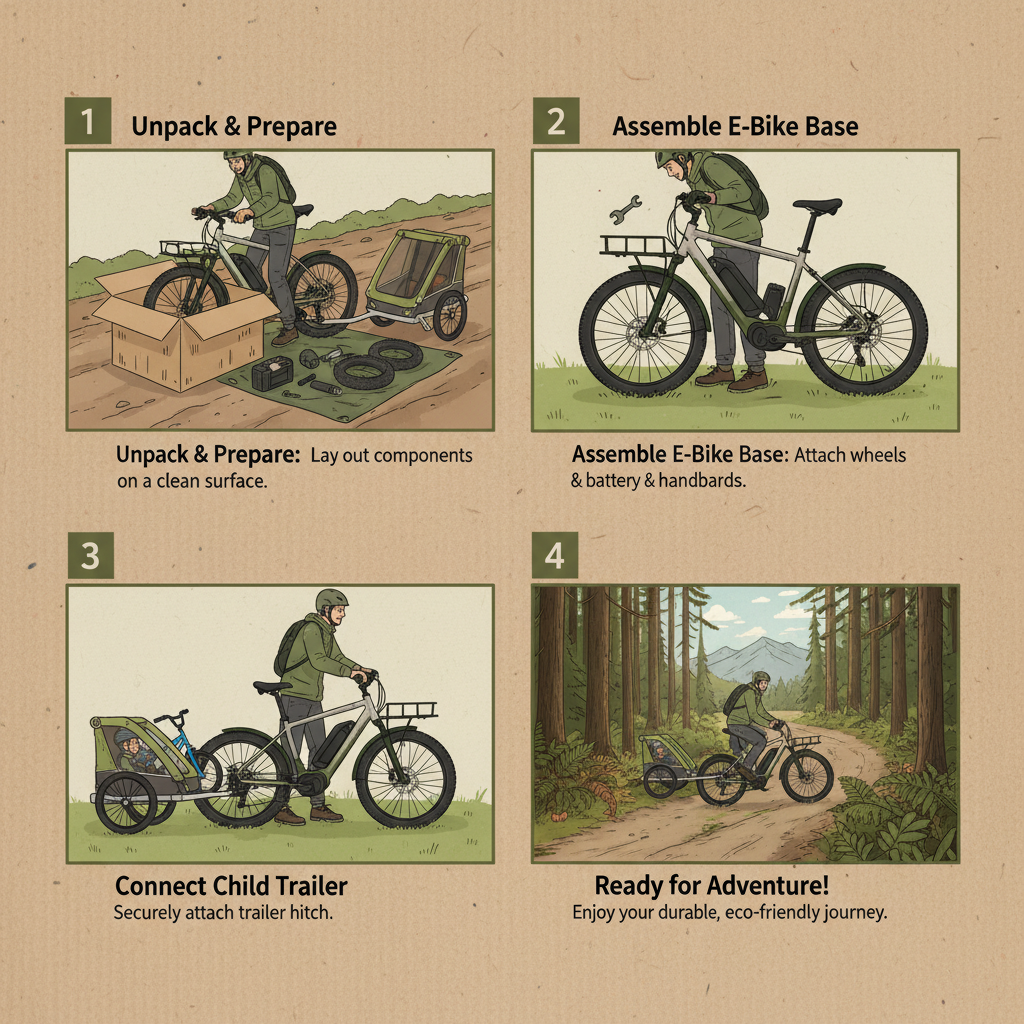
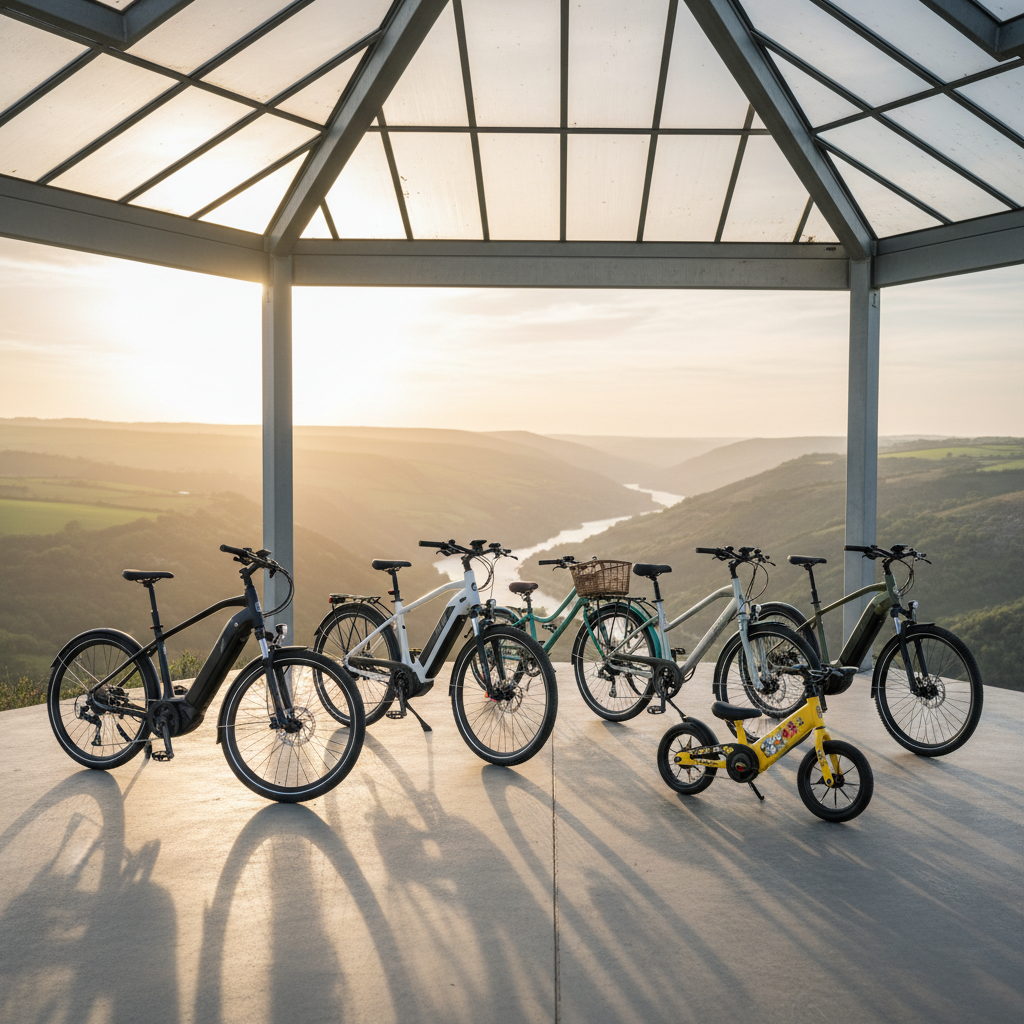
You know, these children's ride on electric cars… they’re everywhere now, aren’t they? Seems like every other family has one. It’s a big jump from the pedal cars we had growing up, that’s for sure. Honestly, I've been seeing more and more sophisticated designs lately. It’s not just about slapping a motor on a plastic body anymore. It's a whole different ballgame.
Have you noticed how quickly things are changing? It's all about the tech now, the battery life, the remote control features… parents want to feel like they’re getting something safe and reliable. They’re not looking for the cheapest option; they’re looking for something that'll last and won't fall apart after a month. The demand is definitely global; I was talking to a supplier in Germany last week, and they’re seeing the same thing. It’s a surprisingly big market, honestly.
The biggest challenge? Getting the balance right. It’s got to be fun for the kids, but also safe and durable enough to withstand… well, kids.
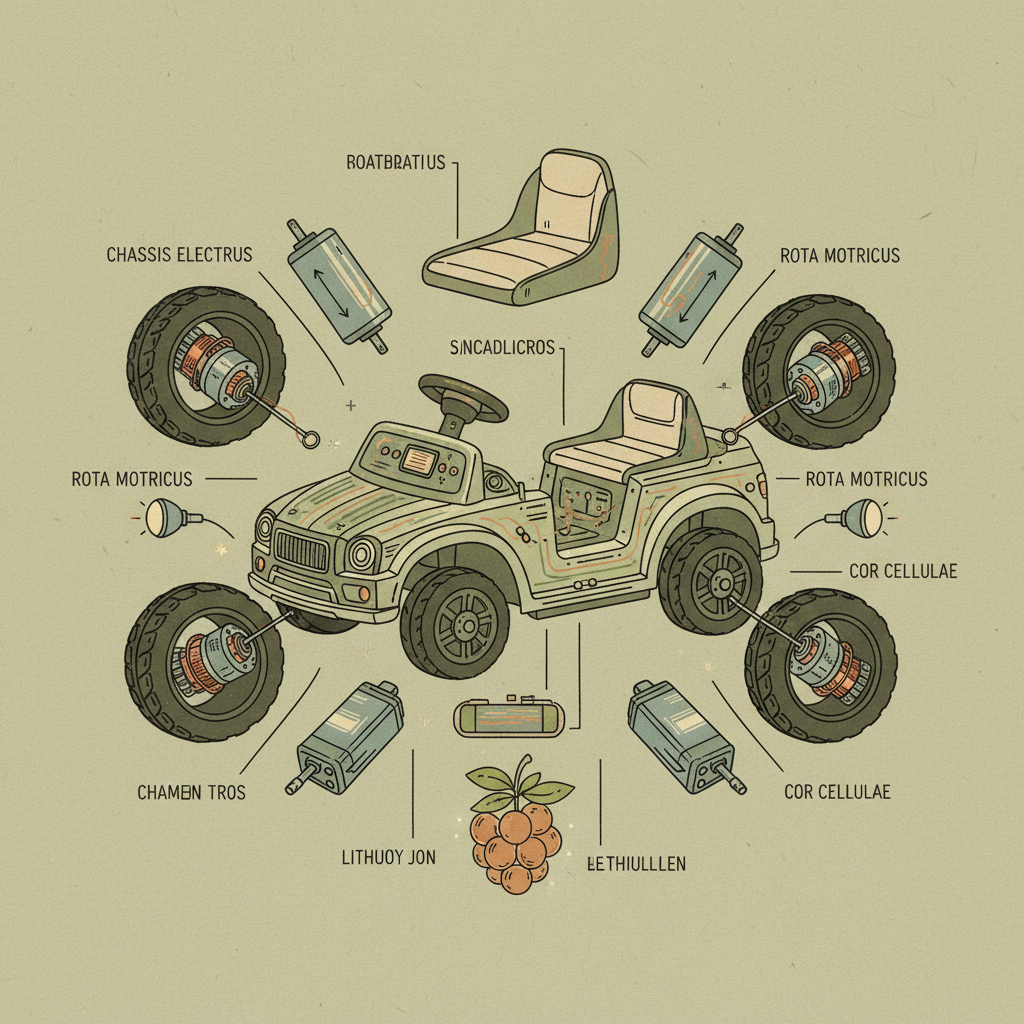
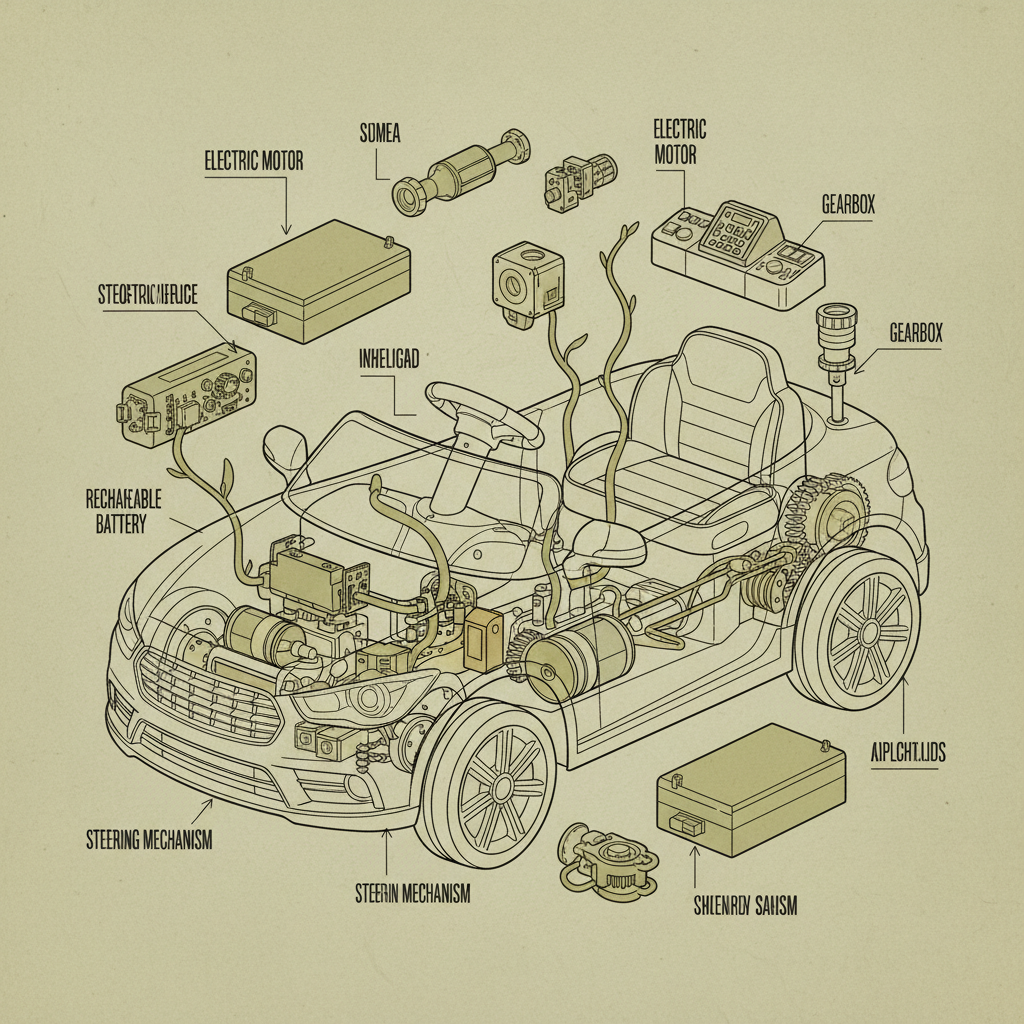
To be honest, the demand for these things has exploded in the last few years. I encountered a factory in Ningbo last time, overflowing with orders. It’s not just about the wealthy families anymore, you know? Middle-class families are seeing them as a way to give their kids some fun and independence. It’s become a pretty competitive market.
And it’s not just about the cars themselves. The accessories are a big deal too – the remote controls, the sound effects, the lights... kids want the whole package.
Generally, most models can handle around 60-70 pounds. However, it really depends on the frame and motor. We always recommend checking the manufacturer's specifications and erring on the side of caution. Overloading the car can damage the motor and shorten its lifespan, plus it's a safety hazard. Always supervise little ones and make sure they're within the weight guidelines.
Most batteries take between 8 and 12 hours for a full charge. It's best to charge them overnight. We always recommend using the charger that came with the car and not leaving the battery charging unattended for extended periods. Overcharging can damage the battery and reduce its capacity over time. The battery quality heavily impacts charge time as well.
Absolutely not. These cars are designed for use on private property only, like backyards or driveways. Using them on public roads or sidewalks is illegal and dangerous. They don’t have the safety features required for public roads, like lights, signals, or seatbelts. Always, always supervise children when they’re using these cars.
Regular maintenance is key to keeping the car running smoothly. This includes checking the tire pressure, lubricating the moving parts, and inspecting the wiring for any damage. You should also clean the car regularly to remove dirt and debris. Battery maintenance is also important – follow the manufacturer’s instructions for charging and storage. A little bit of upkeep goes a long way.
Sometimes. It depends on the car's design and the battery type. You need to make sure the new battery is compatible with the car's electrical system and that it has the correct voltage and amperage. Upgrading the battery can give you longer run times, but it can also void the warranty, so it's something to consider carefully. Check the specifications before buying any parts.
Ideally, you should store it in a dry, covered area, like a garage or shed. Disconnect the battery and store it in a cool, dry place. It’s also a good idea to cover the car to protect it from dust and dirt. Check the manufacturer’s instructions for specific storage recommendations. Proper storage will help extend the life of the battery and other components.
So, that's the world of children’s ride on electric cars in a nutshell. It’s a surprisingly complex market, driven by innovation, safety concerns, and, let’s face it, a healthy dose of kid-powered fun. Ultimately, it all comes down to getting the balance right – between fun, safety, and durability.
The biggest takeaway? Whether this thing works or not, the worker will know the moment he tightens the screw. Seriously. Pay attention to the details, prioritize quality materials, and don’t cut corners. Because if it’s not built right, it won’t last, and those little drivers deserve the best we can give them.