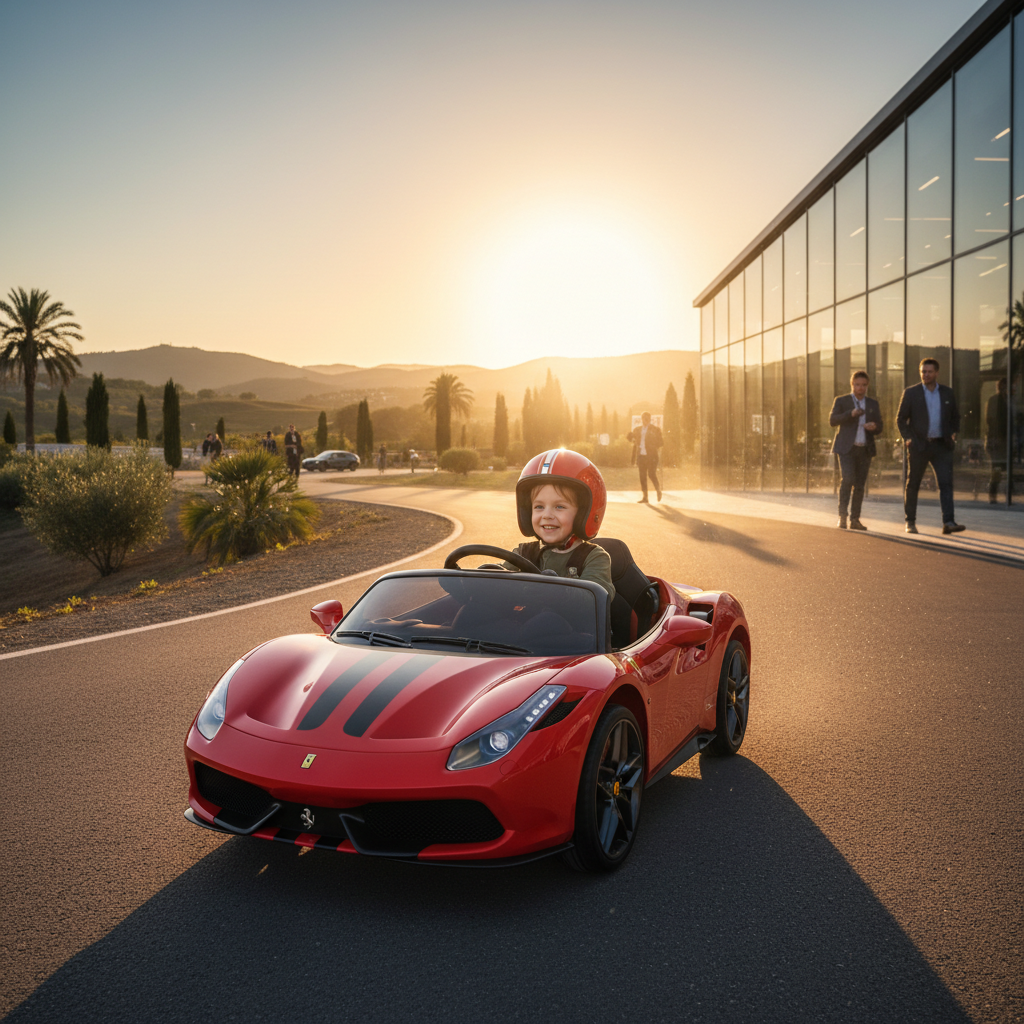
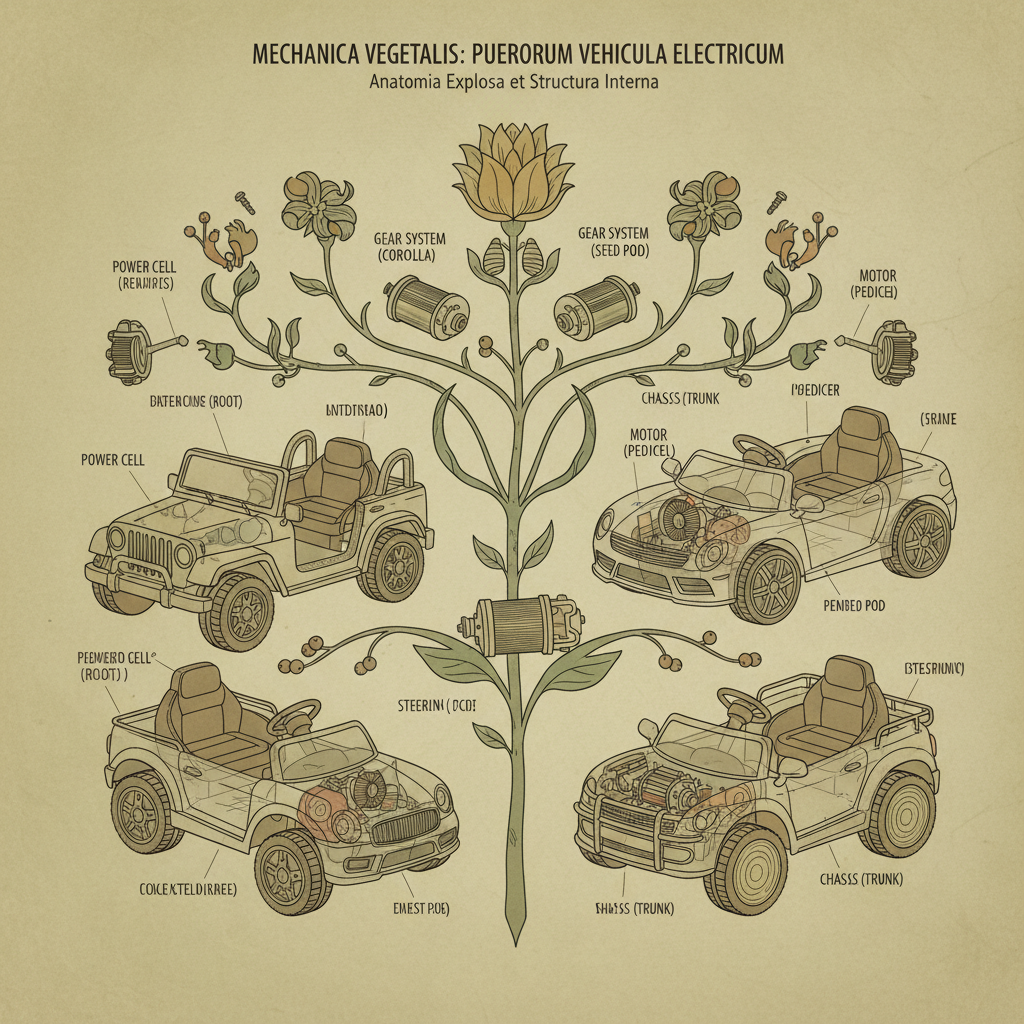
You know, things are moving fast these days. Everyone’s talking about “smart” children’s electric cars, all decked out with remote control and fancy lights. But honestly, after years of being on construction sites, seeing what actually holds up, I’m a bit skeptical. It’s not just about bells and whistles. It’s about a solid frame, decent motors, and, believe it or not, the smell of the plastic – tells you a lot about its quality.
Have you noticed how many of these things look great in the pictures but fall apart after a few runs? That's because a lot of manufacturers cut corners. They use cheap plastic that gets brittle in the sun, motors that overheat quickly, and batteries that don’t last. It’s frustrating, really. I encountered a batch at a factory in Zhejiang province last time, the plastic felt… thin. Like it would crack if you squeezed it too hard. And the smell? Chemical, harsh. Not a good sign.
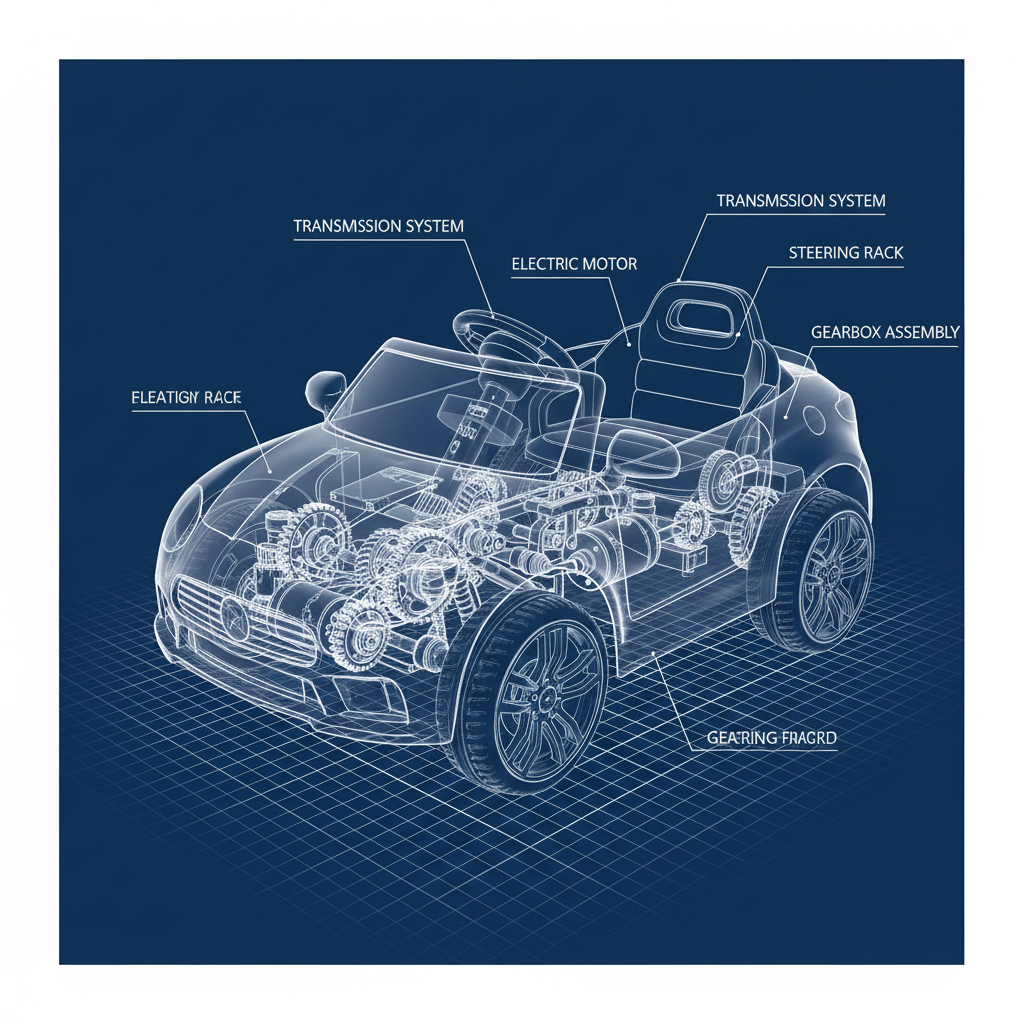
It’s not just the materials, either. It’s the design. People overcomplicate things. Too many gears, too many lights, too much unnecessary stuff. Keep it simple. A sturdy frame, reliable motors, good brakes – that’s what matters.
The Current Landscape of children's electric car
Strangely enough, the market is flooded with these things now. From the super cheap ones you find online to the high-end models that look like miniature sports cars, there's something for everyone. The biggest trend? Definitely the push towards more realistic designs and features – like working headlights, horns, and even little radios. But, and this is a big but, a lot of it feels like style over substance. I’ve seen ‘off-road’ models that couldn’t handle a gravel driveway.
Anyway, I think the demand is driven by parents wanting to give their kids a little slice of freedom, you know? Let them experience the thrill of “driving” without the actual danger. But they also want something that looks good in the park. The balance between practicality and aesthetics is… challenging, let's put it that way.
Common Design Pitfalls in children's electric car
The biggest mistake I see? Overengineered suspensions. Seriously. A little kid doesn’t need independent suspension on a children’s electric car. It just adds weight, complexity, and points of failure. Simple, robust spring systems are way more reliable. Another one? Those tiny plastic wheels. They look okay, but they crack easily, especially if the kid hits a curb. Good tires, even small ones, make a huge difference.
And the wiring… oh, the wiring. Half the time it’s a mess of poorly connected wires and cheap connectors. That’s just asking for trouble. Water resistance is another big issue. Kids play outside, it rains. If the wiring isn’t properly sealed, you're going to have a short circuit.
Honestly, it’s always the little details. Manufacturers focus on the flashy stuff and forget about the fundamentals.
Core Materials and Their Handling
The frame is usually steel, which is good. But the gauge of the steel matters. You want something thick enough to withstand some abuse. The plastic body panels? That’s where things get dicey. ABS plastic is common, and it's okay, but polypropylene is better. More durable, more flexible. It feels different when you handle it. It’s not as brittle as ABS.
The motors… those are usually brushed DC motors. They're cheap and reliable enough for this application. But they do wear out over time. The quality of the brushes is important. And the batteries? Lead-acid is still the most common, but lithium-ion is becoming more popular. Lithium-ion is lighter and has a longer lifespan, but it's also more expensive. You can smell a bad lead-acid battery a mile away, by the way – that sulfurous odor.
The rubber for the tires… it has to be grippy, but also wear-resistant. Cheap rubber gets hard and cracks in the sun. I’ve seen some that feel like they're made of plastic. Not good.
Rigorous Testing Methodologies
Forget the lab tests. Those are useful, but they don’t tell you the whole story. The real test is letting kids actually use these things. I mean, really use them. We set up a little obstacle course at the factory – ramps, bumps, gravel, even a small sand pit. We let kids drive them for hours, pushing them to their limits.
We also do a simple drop test. Not from a great height, but enough to simulate a kid accidentally tipping it over. And we check the wiring connections, the brakes, and the steering after each test. It’s rough, but it’s effective. You’d be surprised how many things break during those tests.
children's electric car Component Reliability
Real-World User Applications
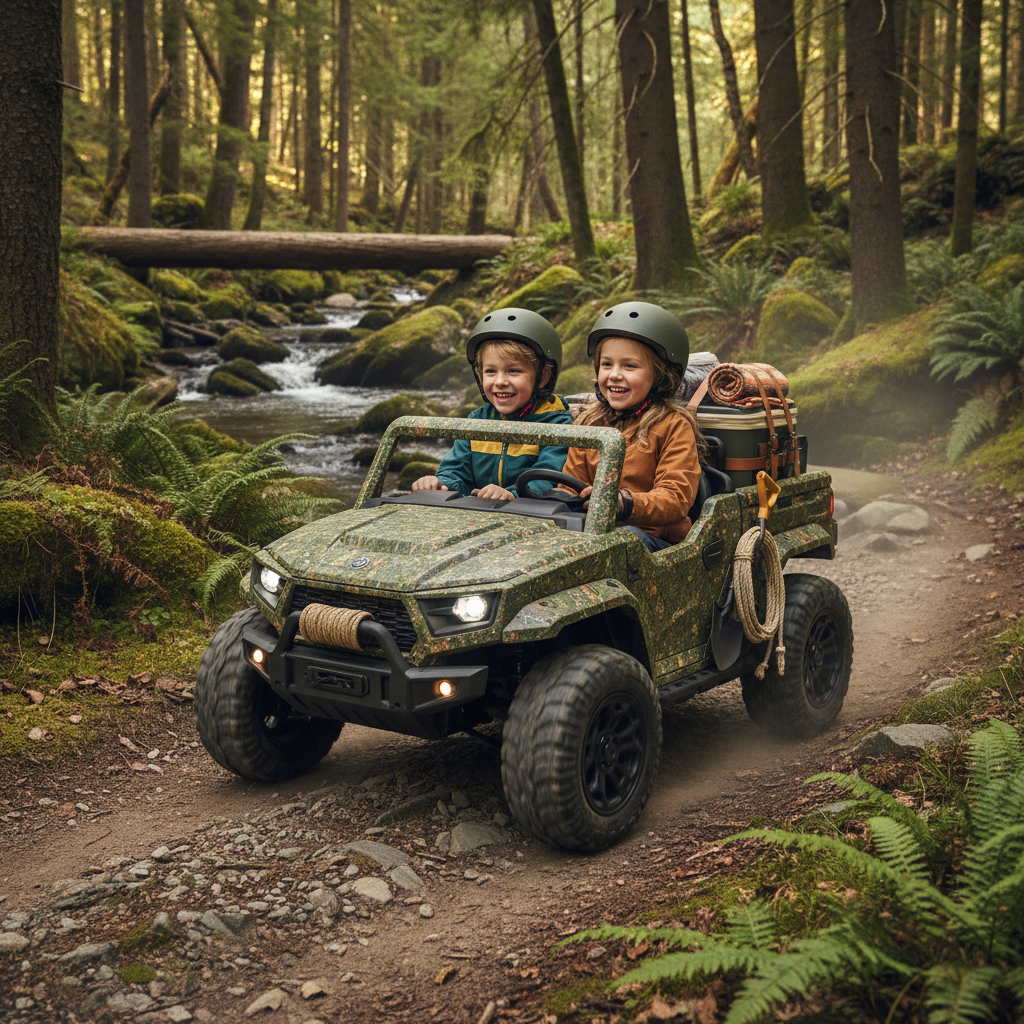
Honestly, kids are brutal. They don’t treat these things gently. They drive them over rocks, into bushes, and sometimes even try to jump them off ramps. That’s why durability is so important. We've seen them used in parks, backyards, even at birthday parties. Some parents use them as a way to keep their kids entertained while they’re busy.
I even saw one kid using it to haul his toy dinosaurs around. They’re surprisingly versatile, these little cars.
Advantages and Disadvantages
The advantages are obvious: fun, freedom, and a bit of exercise. They're a good way to get kids moving and away from screens. But they also have their downsides. The batteries don’t last forever, the plastic can break, and they’re not exactly environmentally friendly.
And let's be real, the speed is a concern. Some of these things can go surprisingly fast, and kids don’t always have the best judgment. Remote control is essential, in my opinion. It gives parents a way to intervene if things get out of hand. The price can also be a disadvantage. A good quality children’s electric car isn’t cheap.
Customization and Practical Examples
We’ve done a few customized orders. Last month, that small boss in Shenzhen who makes smart home devices insisted on changing the interface to charging. Said it was more “modern.” The result? It took three times as long to charge the battery. He wasn’t happy. We ended up reverting back to the standard barrel connector.
We’ve also done custom paint jobs, added different sound effects, and even installed little trailers for hauling toys. The biggest challenge is making sure the modifications don’t compromise the safety or reliability of the car.
Summary of children's electric car Customization Options
| Customization Type |
Complexity Level |
Cost Estimate (USD) |
Potential Impact on Reliability |
| Paint Job (Custom Color) |
Low |
$20 - $50 |
Minimal |
| Sound Effects (Different Horns/Engines) |
Medium |
$30 - $80 |
Low |
| Charging Port () |
High |
$50 - $100 + potential compatibility issues |
Moderate - High |
| Trailer Attachment |
Medium |
$40 - $70 |
Moderate |
| Wheel Upgrade (Larger/More Durable Tires) |
Medium |
$60 - $120 |
Low |
| Reinforced Frame (Extra Steel) |
High |
$100+ |
Minimal |
FAQS
Honestly, it's the wiring. Too many cheap connectors, poorly insulated wires. Kids are rough on these things, and a loose connection is almost guaranteed to happen eventually. We've started using higher-quality connectors and better insulation, but it adds to the cost, you know? It's always a trade-off.
It’s huge. Lead-acid is cheaper, but it's heavy and doesn't last as long. Lithium-ion is better in every way except price. You get more runtime, lighter weight, and a longer lifespan. But it’s a significant cost increase. We're seeing more and more customers opt for lithium-ion, even though it's more expensive, because they want something that will actually hold up.
Safety is paramount, of course. That’s why remote control is so important. Parents need to be able to shut it down if things get out of hand. We also recommend helmets and supervision. These aren’t toys to be left unattended. And always check the brakes before letting a kid drive it!
It depends on how well it’s built and how much abuse it takes. A really well-made one with a lithium-ion battery might last for 3-5 years with regular use. A cheaper one with a lead-acid battery? Maybe 1-2 years. Parts will start failing, the plastic will get brittle, the battery will lose its charge. It’s inevitable.
They focus too much on the looks and not enough on the build quality. A shiny paint job doesn’t mean anything if the frame is flimsy and the motors are weak. Read the reviews, look for a reputable brand, and don't be afraid to spend a little extra money to get something that will last.
Some things, yeah. Replacing a fuse, tightening a screw, maybe even replacing a motor if you’re handy. But anything more complex, like dealing with the wiring or the battery, I’d recommend taking it to a professional. You don't want to mess with electricity, especially when kids are involved.
Conclusion
So, yeah, children's electric cars. They're fun, they're popular, and they can be a good way to keep kids entertained. But they're also often poorly made, overpriced, and prone to breaking. The key is to look beyond the flashy features and focus on the fundamentals: a solid frame, reliable motors, and good brakes.
Ultimately, whether this thing works or not, the worker will know the moment he tightens the screw. If it feels flimsy, if the plastic cracks easily, if the wires are loose, it's not going to last. And that's the bottom line. If you’re looking for a quality children’s electric car, do your research, read the reviews, and don't be afraid to spend a little extra money. You’ll be glad you did.