0%

Table of Contents

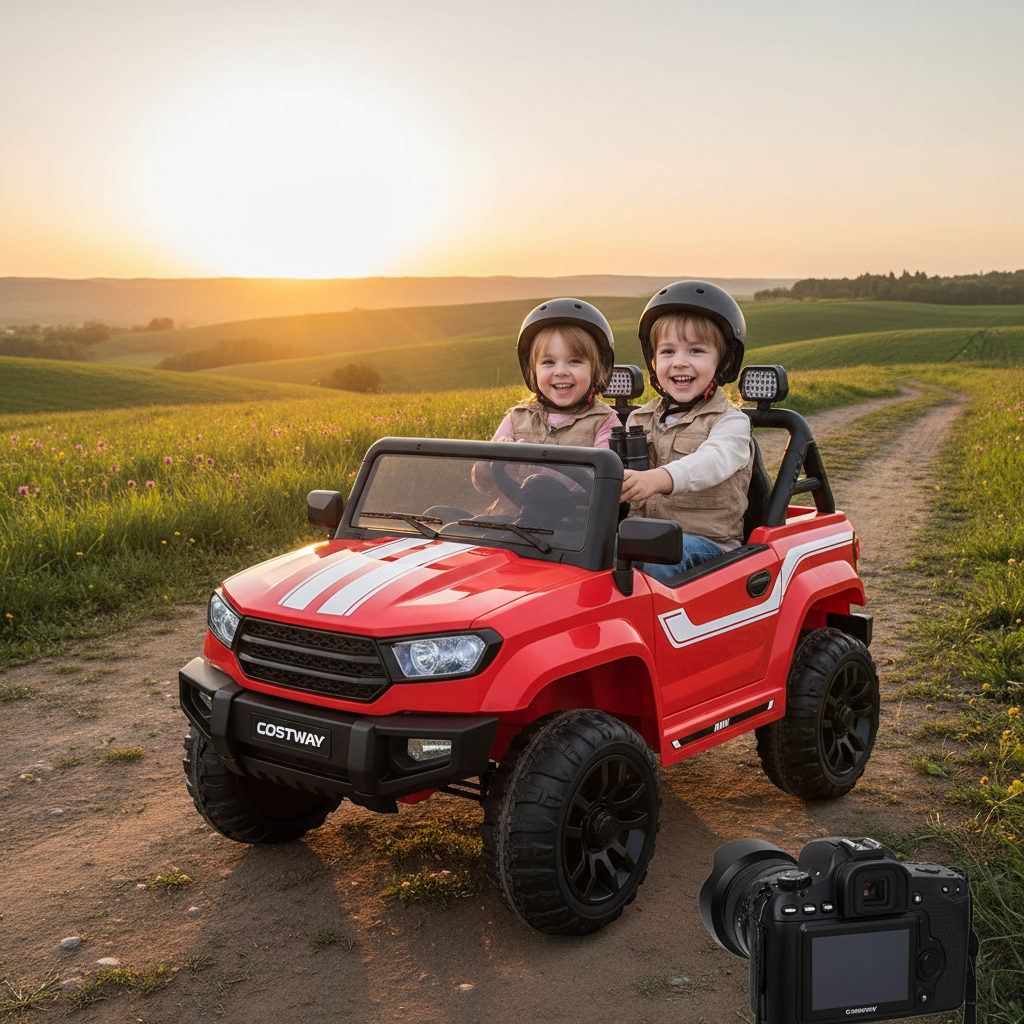
Kids ride on cars have evolved from simple foot-powered toys to sophisticated, battery-operated vehicles, becoming a cornerstone of childhood fun and development globally. These aren't just toys; they represent opportunities for imaginative play, fostering independence, and contributing to early motor skill development. The increasing demand for kids ride on car reflects a broader trend towards experiential toys and enriching childhood experiences, impacting economies and manufacturing processes worldwide.

The global market for kids ride on car is substantial and growing, driven by rising disposable incomes, particularly in emerging economies. According to market research, the industry is projected to reach significant figures in the coming years, showcasing its economic importance. However, this growth also presents challenges, including ensuring product safety, adhering to international quality standards, and minimizing environmental impact.

Ultimately, understanding the dynamics of the kids ride on car market isn't just about toys; it's about understanding evolving consumer needs, manufacturing capabilities, and global economic trends, all wrapped up in a product designed to bring joy to children. This underscores the importance of innovation, responsible production, and consumer awareness within the industry.
Exploring the Evolution and Global Impact of Kids Ride On Car

The Evolution of kids ride on car

Exploring the Evolution and Global Impact of Kids Ride On Car

The history of kids ride on car traces back to early pedal cars crafted from wood and metal. These early models emphasized craftsmanship and durability, often becoming cherished family heirlooms. As materials science advanced, manufacturers began incorporating plastics and electric motors, leading to more affordable and feature-rich options.

Today’s kids ride on car are characterized by sophisticated designs, remote control capabilities, realistic features (like working lights and sounds), and an increasing focus on safety standards. This evolution reflects not only technological advancements but also a deeper understanding of child psychology and play patterns. The market continuously adapts to consumer demand, introducing new models with innovative features and designs.

Defining kids ride on car

Kids ride on car are miniature, motorized vehicles designed for recreational use by children. They typically feature a seating area, steering wheel, and foot pedal or remote control operation. These vehicles come in a vast array of styles, mimicking real-life cars, trucks, motorcycles, and even ATVs. They are designed to promote imaginative play, and develop coordination skills.

The defining characteristic of a kids ride on car is its self-propelling capability, distinguishing it from static ride-on toys. This functionality, coupled with features like realistic sound effects and lights, creates an immersive play experience. Regulations and safety standards surrounding these vehicles are becoming increasingly stringent, focusing on battery safety, speed limitations, and overall structural integrity.

In essence, kids ride on car serve as a gateway for children to explore the world of vehicles and transportation in a safe and controlled environment. They embody the intersection of play, technology, and childhood development, offering a blend of entertainment and educational value.

Core Features of kids ride on car

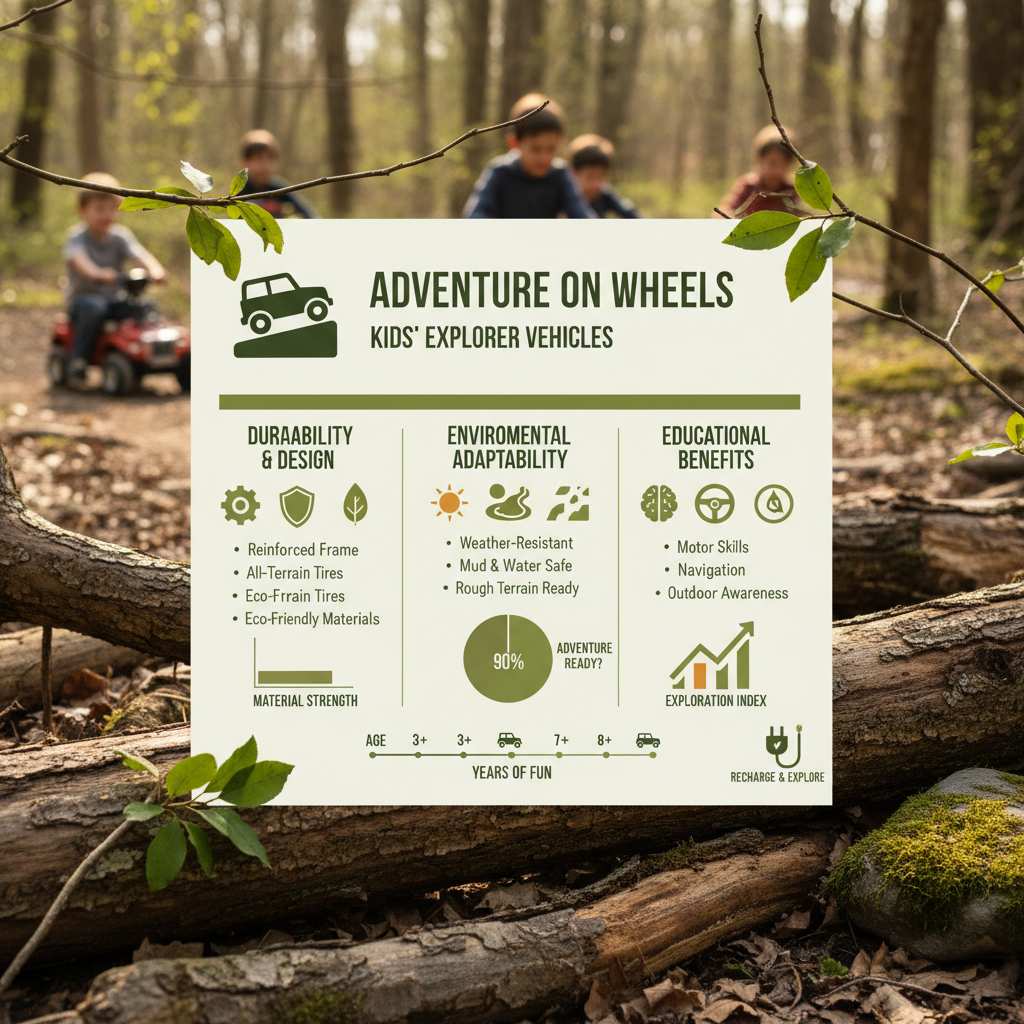
Durability is paramount in kids ride on car, as they are subjected to considerable wear and tear during use. High-quality plastics, robust frames, and reliable motors are essential for ensuring a long product lifespan. Manufacturers are increasingly utilizing impact-resistant materials and reinforced construction techniques to enhance durability.

Safety features are non-negotiable. These include speed limitations, seatbelts, remote control override capabilities for parents, and adherence to stringent safety standards like ASTM. Proper braking systems and secure wheel attachments are also critical components. The design should minimize potential pinch points and protruding parts.

Realistic features, such as working headlights, honking horns, and engine sounds, contribute significantly to the immersive play experience. Manufacturers strive to replicate the aesthetics and functionalities of real-life vehicles. Modern models often include MP3 players and USB ports for added entertainment. These details enhance the child’s imagination and enjoyment.

Performance Indicators of kids ride on car

Battery life is a key performance indicator, directly impacting the duration of play. Higher voltage batteries (e.g., 24V) generally provide longer runtimes and increased power. Manufacturers are focusing on developing batteries with improved energy density and faster charging times.

Speed control is vital for safety and adaptability to different terrains. Multiple speed settings allow parents to tailor the vehicle's performance to the child's age and skill level. A slow start feature is also common, preventing abrupt acceleration. Proper speed control enhances both safety and enjoyment.

kids ride on car Performance Ratings


Global Applications of kids ride on car

The demand for kids ride on car is widespread, particularly in North America and Europe, driven by high disposable incomes and a strong emphasis on childhood development. These regions see consistent sales across various models, from basic battery-powered cars to more elaborate, licensed replicas.

Emerging markets, like Asia-Pacific and Latin America, are experiencing rapid growth in the kids ride on car sector. Increased purchasing power and a growing awareness of the benefits of play-based learning are driving this demand. Manufacturers are adapting their product offerings to cater to the specific needs and preferences of these markets.

Advantages and Value Proposition

The primary advantage of kids ride on car lies in their ability to foster imaginative play and independent exploration. Children develop problem-solving skills, coordination, and spatial awareness while operating these vehicles. The sense of autonomy and control contributes to their self-confidence.

From a parental perspective, kids ride on car provide a safe and controlled environment for children to experience the excitement of driving. Remote control functionality allows parents to intervene if necessary. The long-term value extends beyond entertainment, promoting healthy physical activity and cognitive development.

Future Trends in kids ride on car

The integration of smart technology is a key trend shaping the future of kids ride on car. Expect to see features like GPS tracking, remote diagnostics, and app-controlled functionalities. Connectivity will allow for remote monitoring of battery life and speed settings.

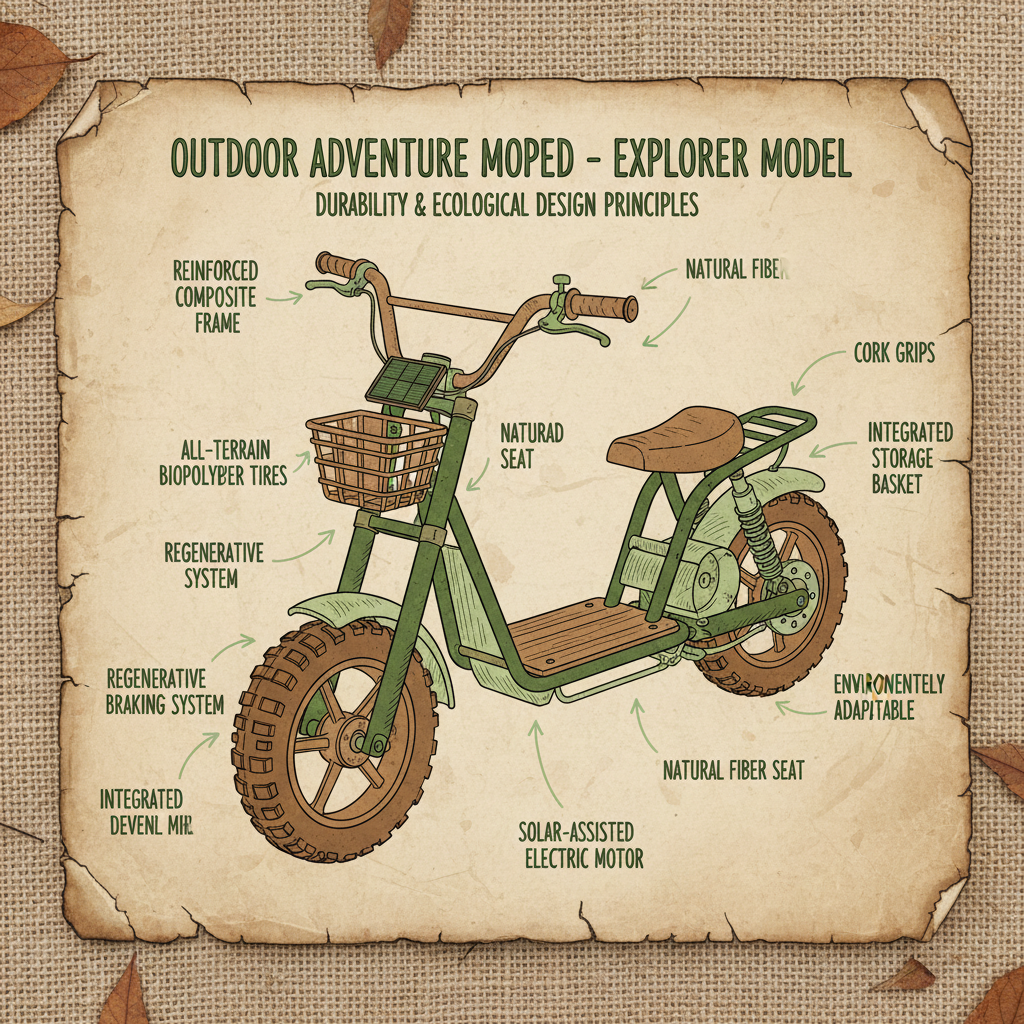
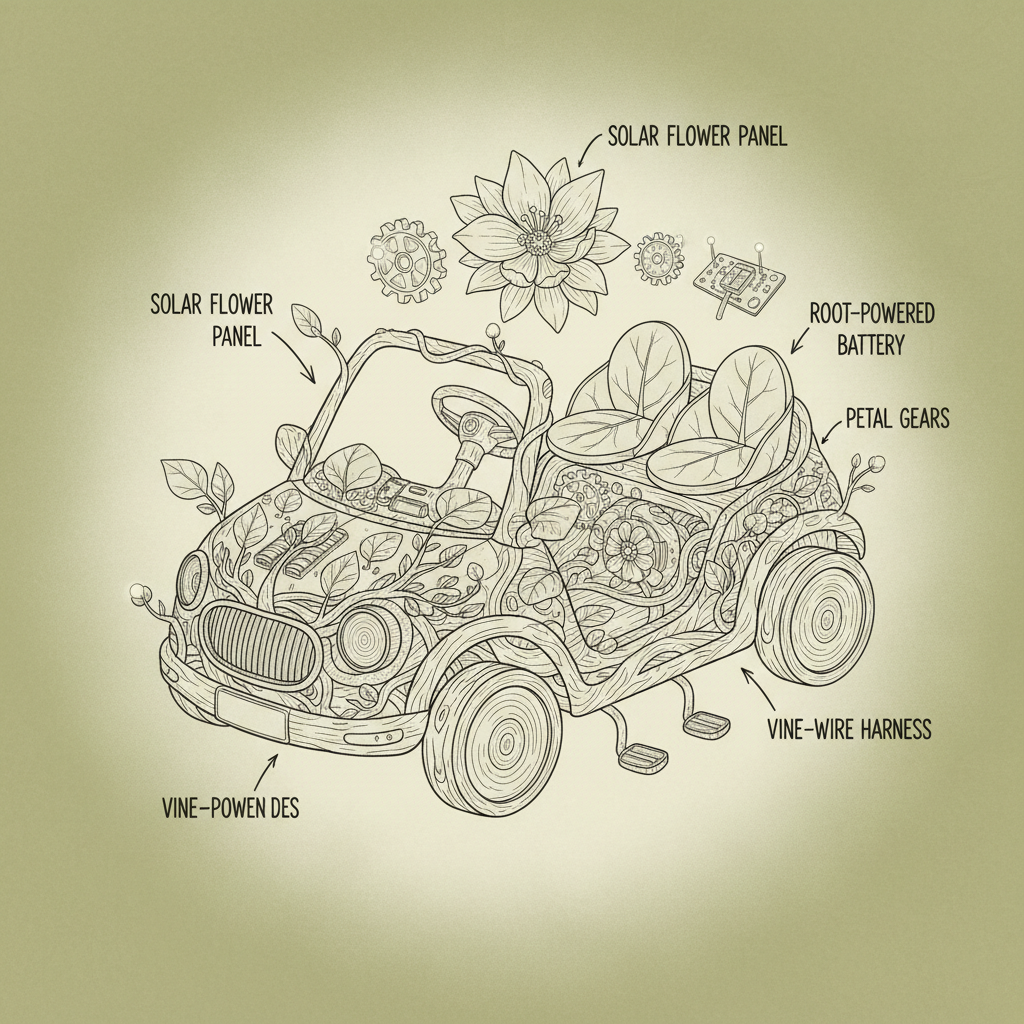
Sustainability is another crucial aspect. Manufacturers are increasingly using recycled materials and exploring eco-friendly battery technologies. Demand for energy-efficient models will continue to rise, driven by growing environmental awareness. The development of biodegradable plastics could further minimize the environmental footprint of these products.

Advancements in artificial intelligence (AI) could lead to the development of kids ride on car with autonomous features, enhancing safety and providing a more interactive play experience. These innovations will undoubtedly shape the next generation of kids ride on car.

FAQS

What age range are kids ride on cars typically suitable for?

Most kids ride on cars are designed for children aged 3 to 8 years old. However, specific models have weight and age recommendations. It's essential to check the manufacturer’s guidelines before purchasing, ensuring the vehicle is appropriate for the child's size and developmental stage. Supervision is always recommended, especially for younger children.

How long does a typical kids ride on car battery last?

Battery life varies depending on the voltage, terrain, and the child’s weight. A fully charged 12V battery generally lasts between 1 to 2 hours of continuous use. 24V batteries offer longer runtimes, typically 2 to 4 hours. Regular charging and proper battery maintenance can extend the lifespan of the battery. Always use the charger provided by the manufacturer.

Are kids ride on cars safe for children to use?

Safety is paramount. Look for models with features like seatbelts, remote control override, and speed limitations. Always supervise children while they are operating a kids ride on car. Ensure the child wears appropriate safety gear, such as a helmet and knee pads. Choose a safe and open area for use, away from traffic and obstacles.

What is the best type of terrain for kids ride on cars?

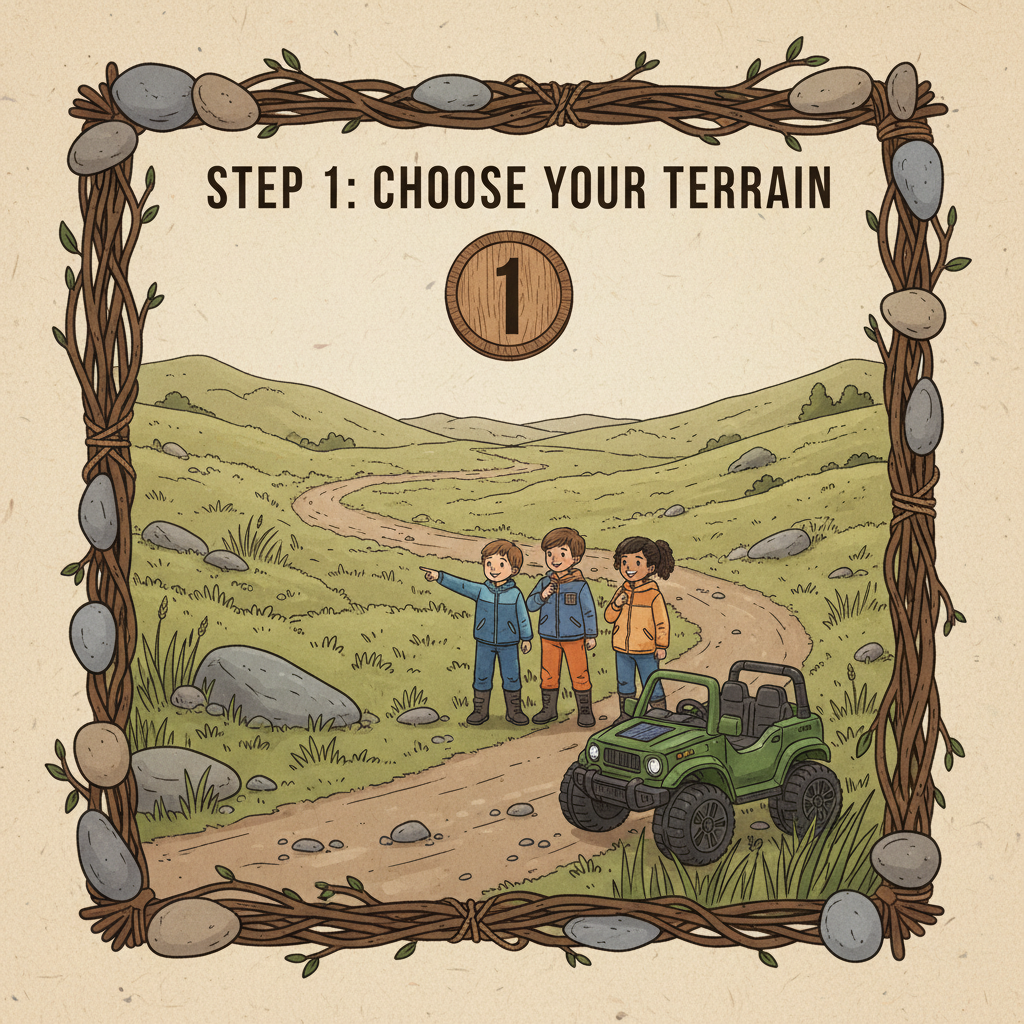
Kids ride on cars perform best on flat, smooth surfaces like pavement or hard-packed dirt. Avoid steep hills, uneven terrain, and grassy areas, as these can reduce battery life and increase the risk of tipping. Regularly check the tires for proper inflation to ensure optimal traction and stability. It's also essential to avoid wet conditions.

How do I properly maintain a kids ride on car?

Regular maintenance is crucial for longevity. Clean the vehicle regularly with a damp cloth. Check the tires for wear and tear, and inflate them as needed. Inspect the battery connections for corrosion. Store the vehicle indoors in a dry place during inclement weather. Follow the manufacturer's instructions for battery charging and storage.

Are there weight limits for kids ride on cars?

Yes, all kids ride on cars have weight limits, typically ranging from 60 to 150 pounds, depending on the model. Exceeding the weight limit can damage the vehicle and compromise its safety. Always check the manufacturer's specifications before use and ensure the child’s weight is within the recommended range. Adhering to the weight limit ensures optimal performance and longevity.

Conclusion

In conclusion, kids ride on car represent more than just toys; they are vehicles for imagination, development, and cherished childhood memories. From their humble beginnings as pedal-powered creations to today’s technologically advanced models, they've consistently adapted to meet evolving consumer needs and safety standards. Understanding their historical evolution, core features, global applications, and future trends provides a comprehensive perspective on this dynamic industry.

Looking ahead, innovation will continue to drive advancements in kids ride on car, with a growing emphasis on sustainability, smart technology, and enhanced safety features. The market will likely see increased integration of AI, eco-friendly materials, and app-controlled functionalities. For those seeking a high-quality kids ride on car, visit our website at kids ride on car to explore our wide selection and find the perfect vehicle for your child.
Christopher Rodriguez

Christopher Rodriguez

Christopher Rodriguez is the Marketing & Communications Coordinator for Xingtai Yanlin’s US campaigns. Christopher focuses on increasing brand awareness and generating leads within the American market. He manages our online presence, creates engaging content for social media, and assists with marketing materials for industry events. He holds a degree in
Previous Exploring the Growing World of Kids Electric Vehicle and Sustainable Play
Next Exploring the World of Electric Car for Kids A Comprehensive Guide