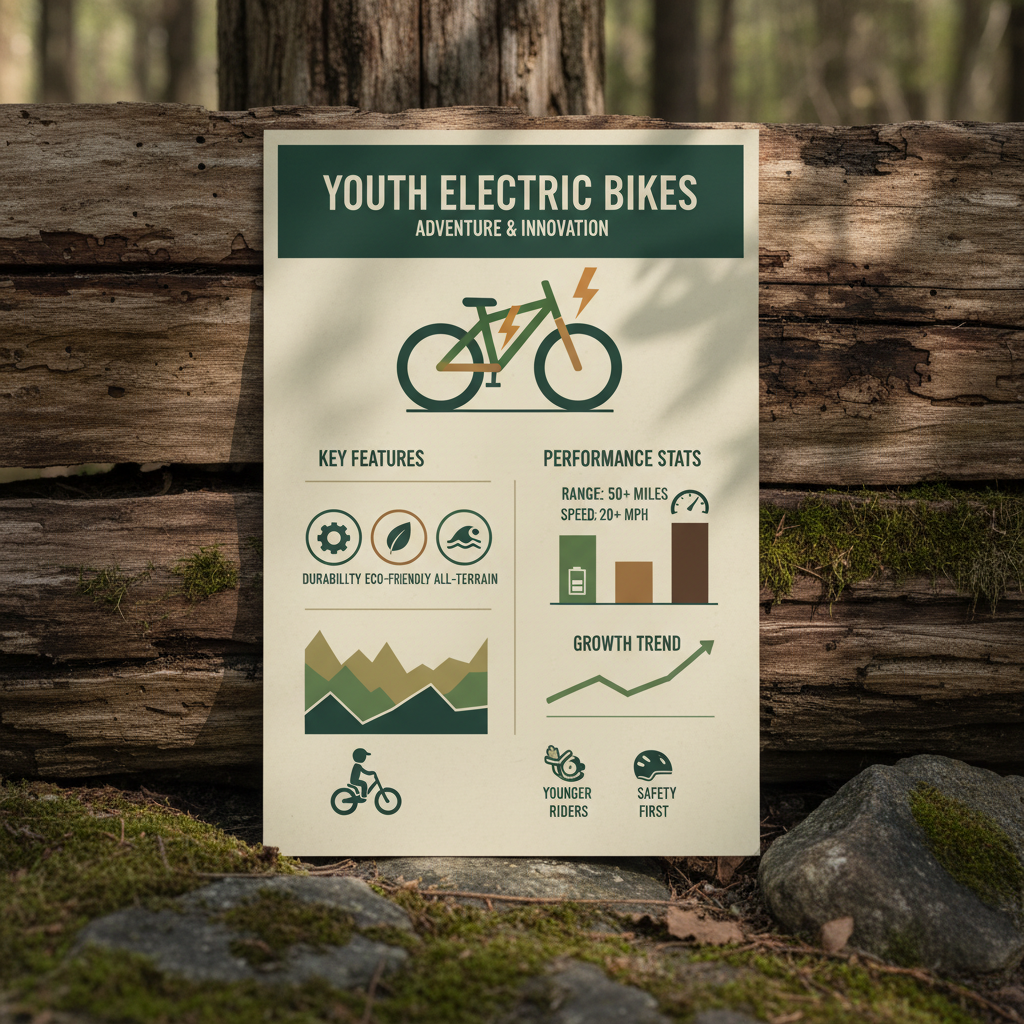
The world is increasingly seeking sustainable and engaging recreational options for children. Kids electric vehicle, ranging from miniature cars to electric scooters and bikes, are rapidly gaining popularity as a safe, eco-friendly, and enjoyable alternative to traditional play. This trend reflects a broader global shift towards electric mobility and a growing awareness of environmental responsibility, even within the toy and recreation sector. Understanding the nuances of these vehicles—their technology, safety features, and responsible use—is crucial for parents, educators, and manufacturers alike.
The demand for kids electric vehicle isn't simply a fad; it's a response to changing lifestyles and priorities. Urbanization and limited outdoor space often restrict traditional play, while concerns about air pollution and childhood obesity drive demand for active, yet controlled, recreational opportunities. Furthermore, the integration of technology into children’s lives means that many kids are naturally drawn to the features and functionalities offered by these modern vehicles. This presents an exciting opportunity for innovation and growth within the kids' transportation market.
These vehicles aren't just about fun; they can also contribute to a child's development, fostering a sense of independence, responsibility, and spatial awareness. Responsible manufacturers and retailers emphasize safety through features like speed limiters, remote controls, and durable construction. A deeper understanding of this emerging market is essential for navigating its complexities and maximizing its benefits.
The Rise of Kids Electric Vehicle
The market for kids electric vehicle has seen exponential growth in recent years, fueled by technological advancements and a growing demand for eco-friendly recreational products. Parents are increasingly seeking alternatives to gasoline-powered vehicles for their children, recognizing the environmental benefits and the opportunity to introduce younger generations to sustainable transportation. The popularity of these vehicles is also boosted by their inherent appeal to children—they represent a sense of freedom, independence, and fun.
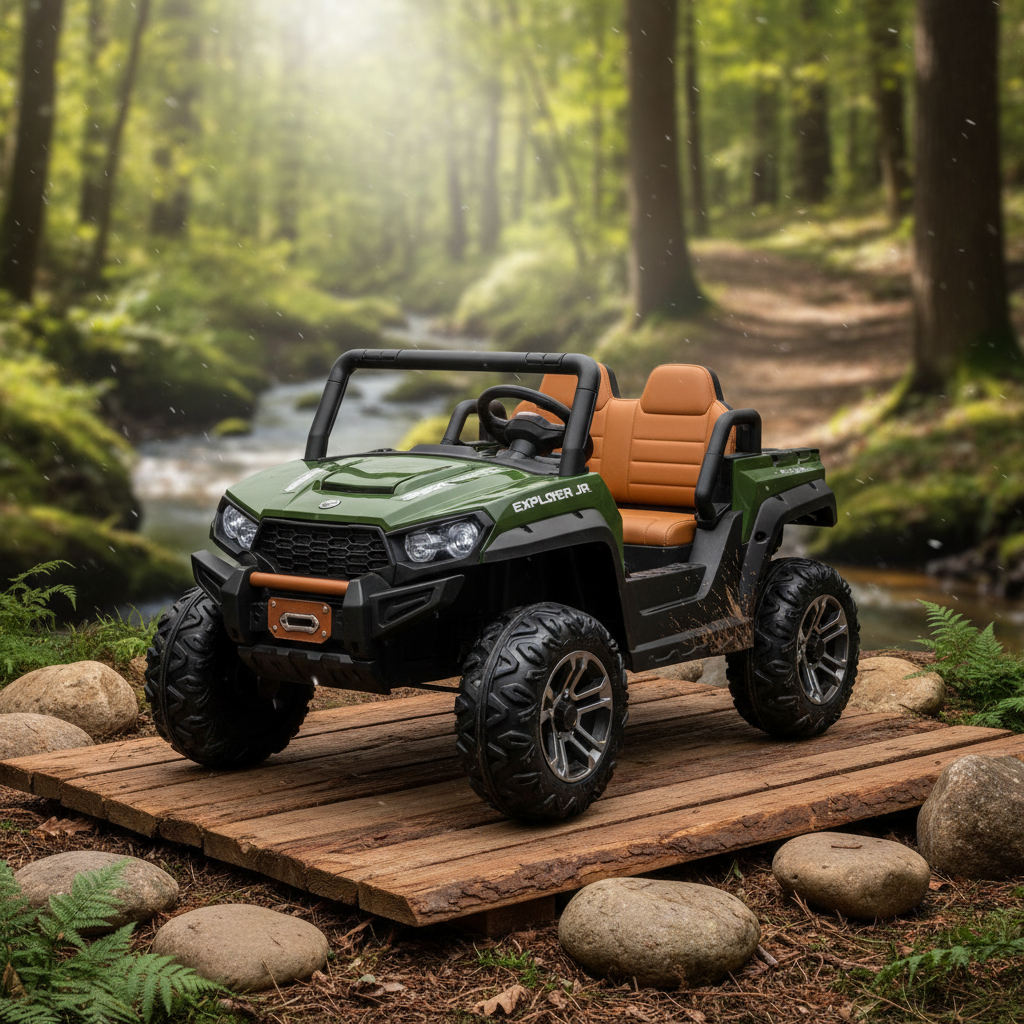
This surge in demand has prompted innovation in design, functionality, and safety features. Manufacturers are now offering a wide range of models to suit different ages, terrains, and budgets, from miniature SUVs and sports cars to electric scooters and bikes. The availability of advanced features like remote control operation, adjustable speed settings, and durable construction materials further enhances the appeal and practicality of kids electric vehicle.
Defining Kids Electric Vehicle
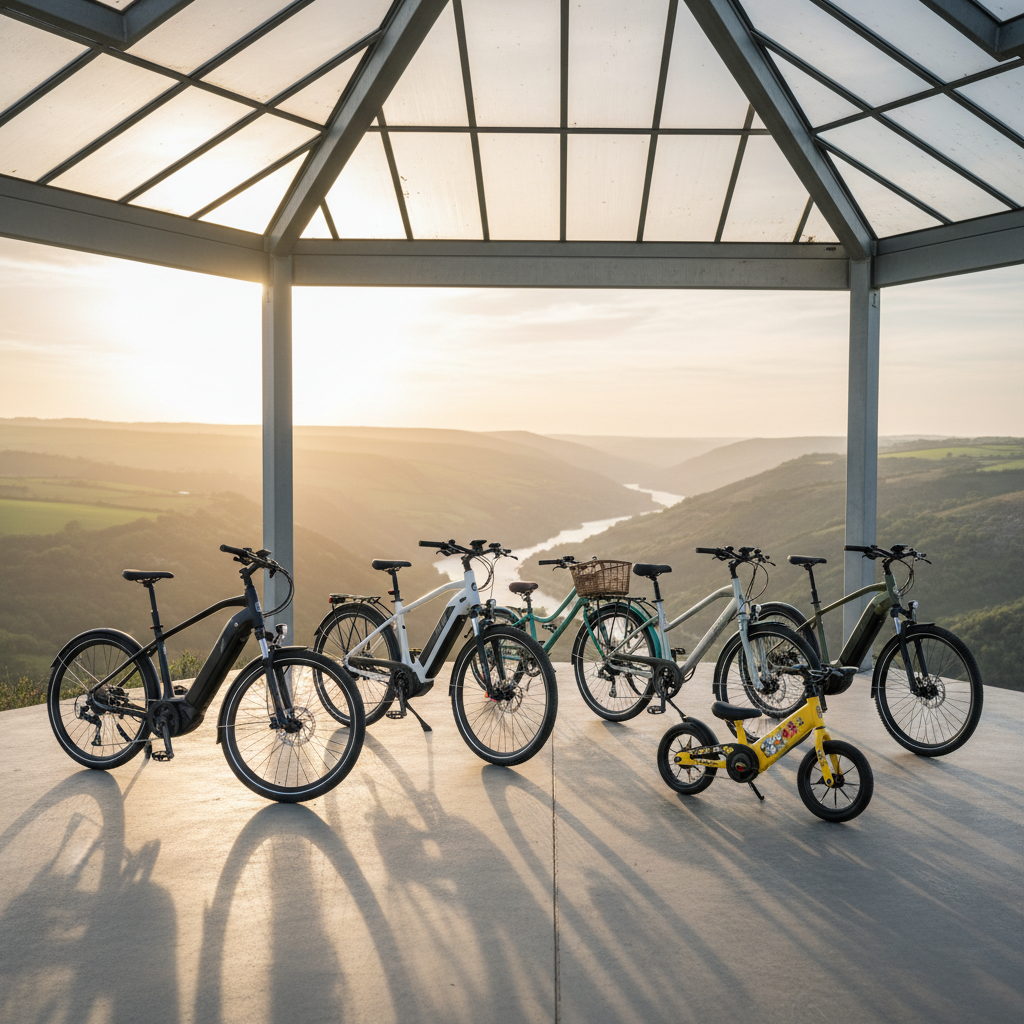
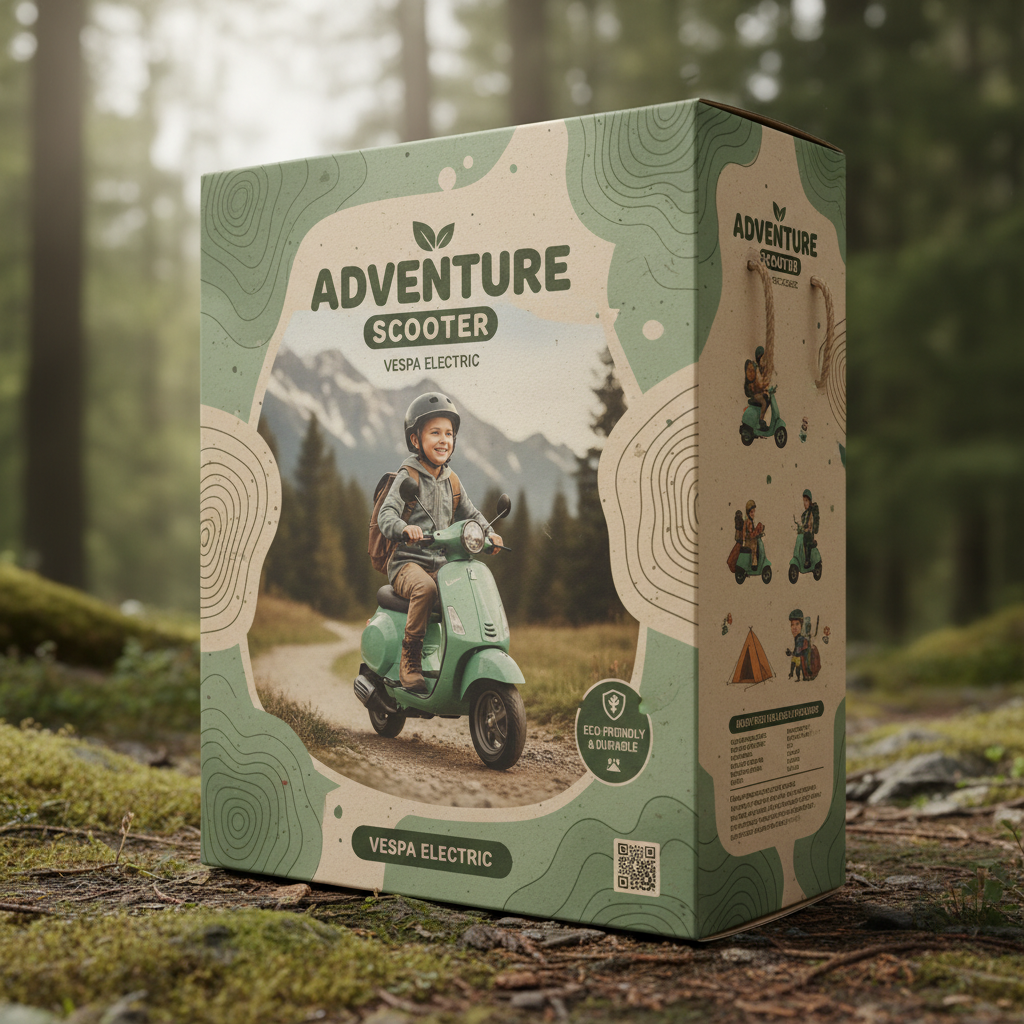
Kids electric vehicle encompass a diverse range of battery-powered transportation options designed for children. These typically include ride-on cars, scooters, motorcycles, and bicycles, all operated by an electric motor and rechargeable battery. Unlike traditional pedal-powered vehicles or gasoline-powered alternatives, these models offer a quieter, cleaner, and often more accessible form of transportation for young riders.
The core purpose of these vehicles is to provide a fun and engaging recreational experience, but they also serve educational benefits. Operating a kids electric vehicle can help children develop coordination, spatial awareness, and a basic understanding of vehicle operation. They can also promote physical activity and encourage outdoor play.
Importantly, these vehicles are distinct from full-sized electric vehicles designed for adults. They are specifically engineered with child safety in mind, featuring lower speeds, simplified controls, and robust safety features like seatbelts and remote-control capabilities.
Core Components and Features
Several key components contribute to the performance and safety of kids electric vehicle. The electric motor provides the power, while the rechargeable battery determines the vehicle’s range and operating time. A control system manages the motor’s speed and direction, often incorporating features like forward and reverse gears, speed limiters, and remote control operation.
Beyond the core mechanics, features like suspension systems, realistic sound effects, working headlights, and comfortable seating enhance the overall user experience. The frame and body are typically constructed from durable plastics or metals to withstand the rigors of child’s play. Quality control and material selection are paramount, ensuring both longevity and safety.
The battery type is also a critical factor. Lithium-ion batteries are becoming increasingly common due to their higher energy density, longer lifespan, and lighter weight compared to traditional lead-acid batteries. However, proper charging and maintenance are essential for maximizing battery performance and ensuring safety.
Safety Considerations for Kids Electric Vehicle
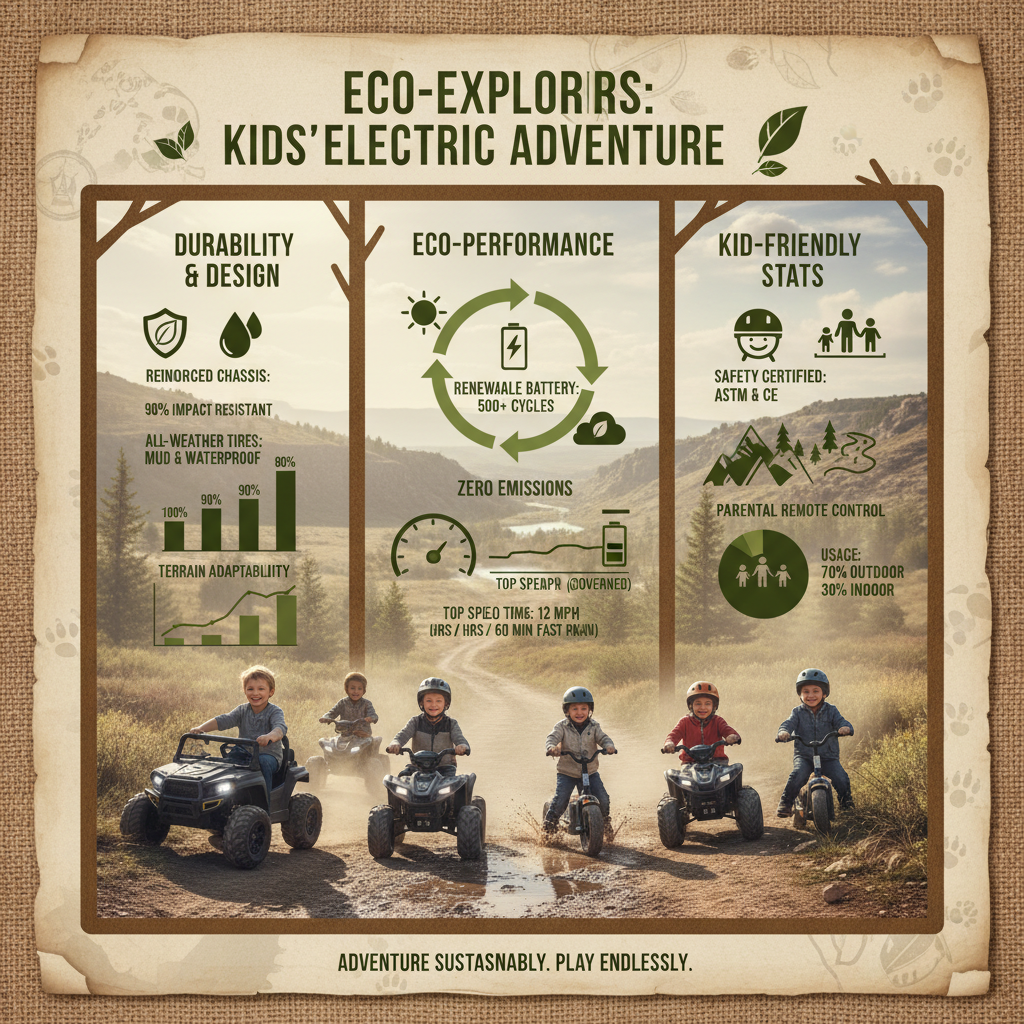
Safety is paramount when considering kids electric vehicle. Parents and caregivers must prioritize features like speed limiters, remote control shutdown capabilities, and durable construction. Regular inspection of the vehicle for any signs of damage or wear is also crucial. Appropriate safety gear, including helmets, knee pads, and elbow pads, should always be worn while operating these vehicles.
Careful consideration should be given to the riding environment. Kids electric vehicle should only be used in safe, designated areas away from traffic, obstacles, and potential hazards. Adult supervision is essential, particularly for younger children. Establishing clear rules and guidelines for operation, such as speed limits and restricted areas, can further enhance safety.
Safety Feature Ratings for Kids Electric Vehicle
Global Applications of Kids Electric Vehicle
The market for kids electric vehicle is expanding globally, with significant demand in North America, Europe, and Asia. These vehicles are commonly used for recreational purposes in parks, playgrounds, and private residences. Increasingly, they are also being integrated into organized activities such as birthday parties, community events, and even children’s racing leagues.
The rise of eco-tourism and sustainable resorts has also created a niche market for kids electric vehicle rentals, offering environmentally conscious families a fun and engaging way to explore their surroundings. Manufacturers are tailoring their products to meet the specific needs and preferences of different regional markets, offering variations in design, features, and price point.
Advantages and Long-Term Value
The advantages of kids electric vehicle extend beyond mere entertainment. They represent a more sustainable and environmentally friendly alternative to gasoline-powered ride-ons, reducing carbon emissions and promoting responsible consumption. The use of electric motors also results in quieter operation, minimizing noise pollution.
From a developmental perspective, these vehicles foster independence, coordination, and problem-solving skills. The long-term value lies not only in the enjoyment they provide but also in their potential to instill a sense of environmental awareness and a positive attitude towards sustainable transportation.
Economically, kids electric vehicle can offer a cost-effective alternative to frequent trips to amusement parks or other expensive recreational activities. With proper maintenance, a well-built vehicle can provide years of enjoyment, making it a worthwhile investment for families.
Future Trends and Innovations
The future of kids electric vehicle is poised for significant innovation. We can expect to see advancements in battery technology, leading to longer ranges, faster charging times, and improved energy efficiency. The integration of smart features, such as GPS tracking, mobile app control, and augmented reality experiences, will further enhance the user experience.
Sustainable materials and manufacturing processes are also gaining traction, with manufacturers exploring the use of recycled plastics and biodegradable components. The development of self-balancing scooters and electric bikes specifically designed for children will further expand the market. Increased focus on safety features, incorporating advanced sensor technology and automated braking systems, will be a key priority.
Finally, the convergence of kids electric vehicle with gaming and virtual reality holds exciting possibilities, creating immersive and interactive recreational experiences for children.
Analysis of Key Factors Influencing Kids Electric Vehicle Performance
| Battery Capacity (Wh) |
Motor Power (Watts) |
Maximum Speed (km/h) |
Safety Feature Score (1-10) |
| 24 |
80 |
5 |
6 |
| 36 |
120 |
8 |
8 |
| 48 |
180 |
12 |
9 |
| 20 |
60 |
4 |
5 |
| 54 |
200 |
15 |
10 |
| 30 |
100 |
7 |
7 |
FAQS
The ideal age range varies depending on the specific vehicle. Smaller scooters and ride-ons are generally suitable for children aged 3-5, while larger cars and bikes may be appropriate for ages 6-12. Always check the manufacturer’s recommendations for weight and height limits to ensure a safe fit. Parental supervision is key, especially for younger riders, to monitor their use and ensure they understand basic safety rules.
Battery life varies significantly based on factors like battery capacity, vehicle weight, terrain, and riding style. On average, a fully charged battery can provide between 45 minutes to 2 hours of continuous use. Lithium-ion batteries generally offer longer runtimes and faster charging times compared to older lead-acid batteries. It's important to follow the manufacturer’s charging instructions to maximize battery lifespan.
Prioritize features like speed limiters, remote control shutdown, a sturdy frame, a seatbelt, and reliable braking systems. Look for vehicles that meet relevant safety standards and certifications. Additionally, ensure the vehicle has adequate lighting for visibility and consider purchasing appropriate safety gear, including helmets, knee pads, and elbow pads.
Generally, kids electric vehicle are not permitted on public roads or sidewalks due to safety concerns and legal restrictions. They should only be used on private property, such as backyards, driveways, or designated recreational areas. Always check local regulations to ensure compliance and avoid potential fines or penalties.
Regular maintenance is crucial for extending the life of your child's electric vehicle. This includes cleaning the vehicle regularly, lubricating moving parts, checking tire pressure, and properly storing the battery when not in use. Avoid exposing the vehicle to extreme weather conditions and follow the manufacturer’s maintenance recommendations.
While kids electric vehicle are more environmentally friendly than gasoline-powered alternatives, there are still environmental considerations. Battery production and disposal can have environmental impacts. Choosing vehicles from manufacturers committed to sustainable practices and properly recycling batteries at the end of their life cycle can minimize these concerns.
Conclusion
Kids electric vehicle represent a dynamic and evolving segment of the recreational market. They offer a compelling combination of fun, safety, sustainability, and educational benefits. As technology advances and consumer demand grows, we can expect to see continued innovation in design, features, and performance. These vehicles are not just toys; they're a gateway to a future where sustainable transportation and responsible play go hand in hand.
Looking ahead, it's crucial for manufacturers, retailers, and parents to prioritize safety, quality, and environmental responsibility. By investing in well-built vehicles, following proper safety guidelines, and promoting sustainable practices, we can ensure that kids electric vehicle continue to provide enjoyment and contribute to a greener future. Visit our website at kids electric vehicle to explore our range of models and learn more about responsible riding.