Look, these children's electric car ride ons… they’re everywhere now, aren't they? It feels like just yesterday they were clunky plastic things, and now you’ve got models with leather seats and remote control. Frankly, it’s a bit crazy. Demand’s through the roof, especially after…well, you know. Everyone wanting a little something to keep the kids occupied. The UN’s been talking about the importance of play for child development, and I think this fits into that somehow. It’s not just a toy; it’s giving kids a bit of freedom, a bit of… independence, I guess. But the pressure’s on to make them safer, more durable, and, honestly, less annoying for the parents.
To be honest, the whole industry’s shifted. It used to be about the lowest price, the flashiest lights. Now, it’s all about safety features, battery life, and even things like eco-friendliness. Parents are asking questions, and they expect answers. I was talking to a supplier in Ningbo last month, and he was saying they’re scrambling to get certification for all sorts of things. It’s a good thing, I think, but it adds another layer of complexity.
The biggest challenge, though? Getting the balance right between cost and quality. Everyone wants a bargain, but nobody wants something that’s going to fall apart after a week. That's the core of it, right there.
Understanding the Core Components of children's electric car ride ons
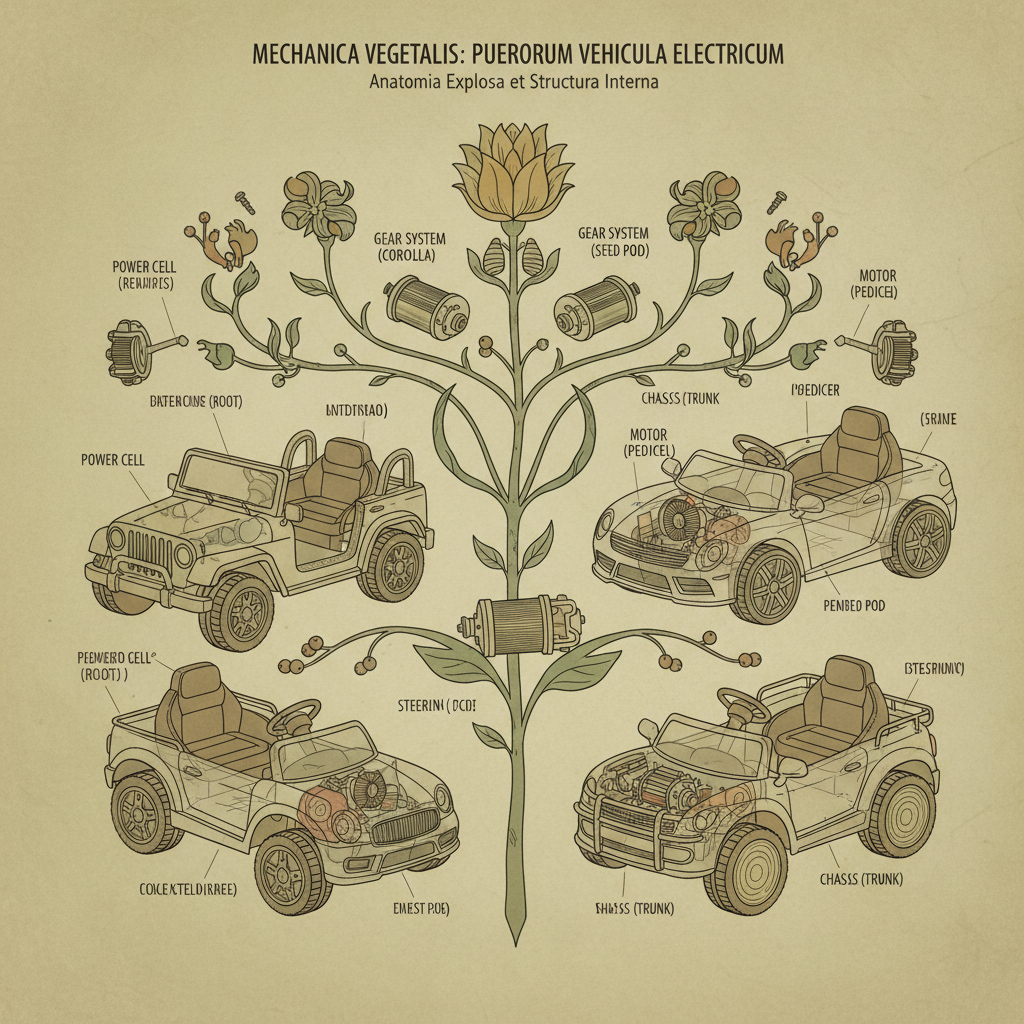
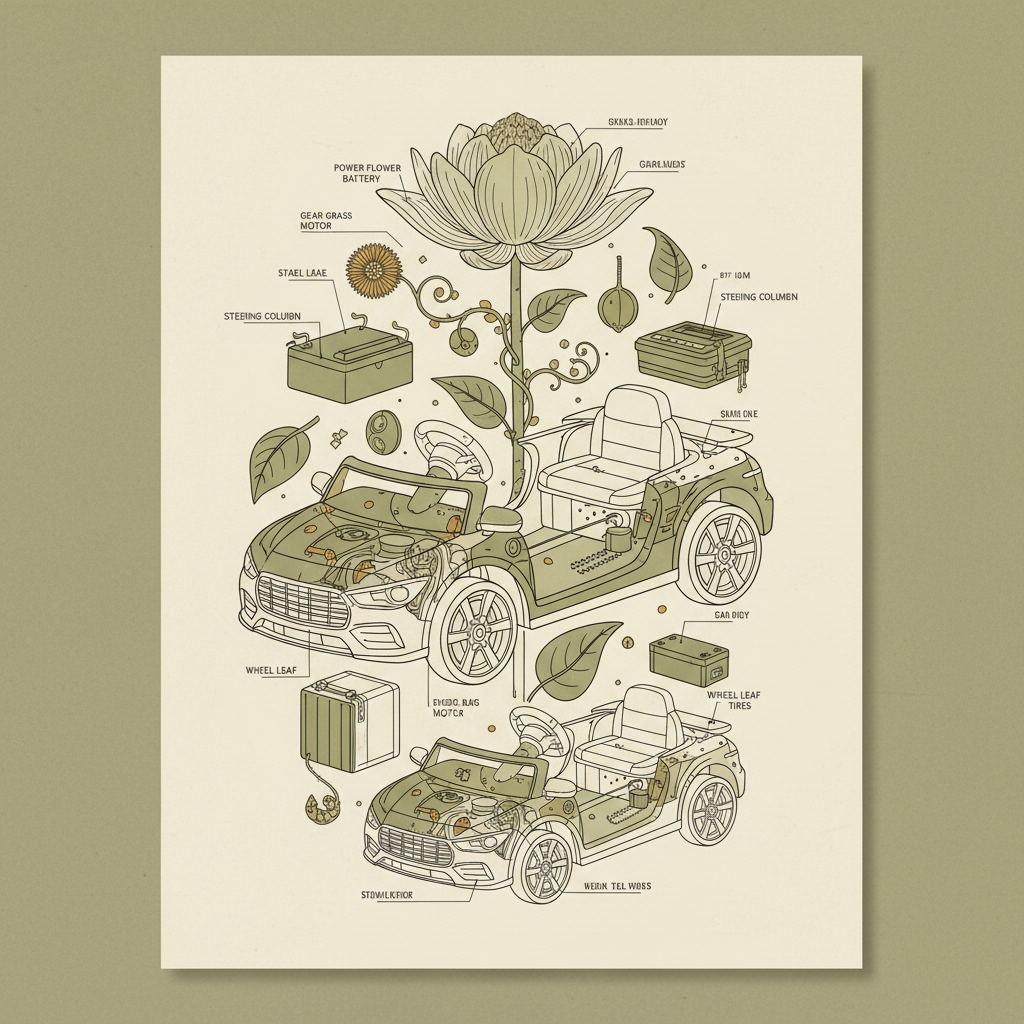
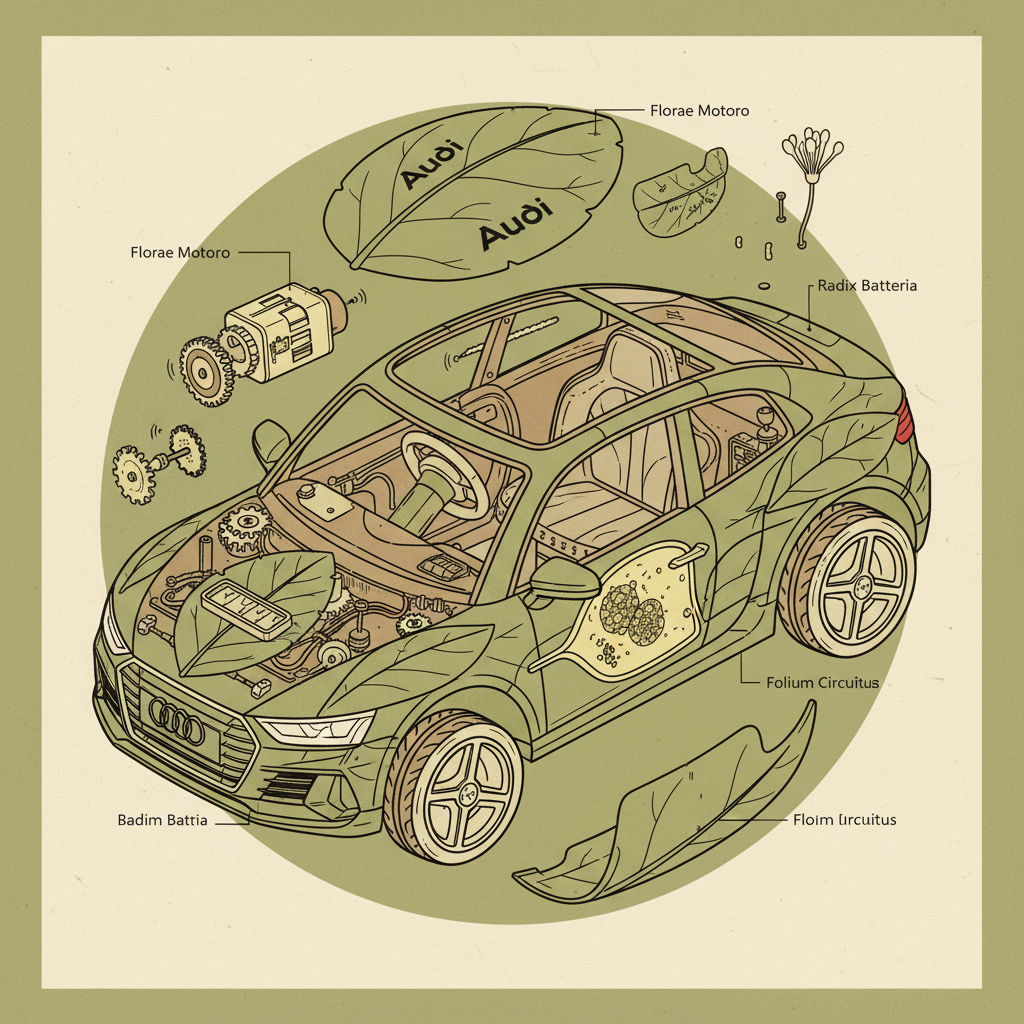
The motor, obviously, is key. It's not just about horsepower, it's about how it delivers the power. You want smooth acceleration, not a jerky start that throws the kid around. I encountered a bad batch of motors at a factory last time, they were overheating after just 15 minutes. And then there’s the battery. Lithium-ion is the standard now, but quality varies wildly. You want good capacity, but also a robust battery management system to prevent fires. I've seen some cheap batteries that smell… well, let’s just say they don’t inspire confidence.
The chassis is crucial too. It needs to be strong enough to handle bumps and jumps, but also lightweight enough for the motor to move it effectively. Most are made of polypropylene these days; it's durable and relatively inexpensive. The plastic smell is something you get used to.
The Global Landscape of children's electric car ride ons Demand
Have you noticed how big the market is in Southeast Asia? Places like Vietnam and Indonesia, they're snapping these things up. It’s a status symbol, I think, for a lot of families. China, of course, is the biggest manufacturer, and they're really pushing the innovation. But Europe and North America are demanding higher standards – stricter safety regulations, more sustainable materials. The ISO is constantly updating their standards, and we have to keep up.
The demand is driven by a few things – increasing disposable income, smaller family sizes, and parents wanting to provide their kids with more entertainment. But it's also about convenience. Parents can let their kids play outside without having to constantly supervise them. That’s a big selling point.
It’s a surprisingly globalized industry. Components are sourced from all over the world, assembled in China, and then shipped everywhere. It’s a logistical nightmare sometimes, but that’s the way it is.
Defining Quality: Materials and Manufacturing
Quality starts with the materials. That polypropylene I mentioned? Some suppliers skimp on the additives that make it UV resistant, and the plastic cracks and fades in the sun. It's a small thing, but it makes a huge difference. And the tires! Foam tires are cheap, but they wear out quickly. Rubber tires are better, but they add weight and cost.
Manufacturing processes are equally important. Injection molding needs to be precise. Sloppy molds result in weak parts. And the wiring! I’ve seen so many cheap harnesses that are just waiting to short-circuit. Strangely, the factory that does the best work is a small family-run business in rural Zhejiang. They take pride in their craft.
Honestly, I've seen some manufacturers trying to pass off recycled plastic as virgin material. It's a disgrace, and it's something we actively check for. You can smell the difference, sometimes. It has a… different odor.
Performance Metrics and Testing Procedures
Testing… that's where things get interesting. You can do all the lab tests you want, but nothing beats real-world testing. We run these things through obstacle courses, we drop them, we subject them to extreme temperatures. We even have a team of kids who just… abuse them. They're brutal, but they find the weak spots.
We measure things like battery life, motor torque, maximum speed, and braking distance. But we also look at things like noise levels and vibration. Nobody wants a ride-on car that sounds like a jet engine.
Performance Metrics of Common children's electric car ride ons Features
Real-World Applications and User Experiences
Surprisingly, a lot of parents use these things as a way to get their kids to play outside more. They'll let them drive around the yard, or even take them for a slow ride around the block. I've even heard of some parents using them for timed races. It's a bit much, but hey, whatever works.
But kids use them in ways we never anticipate. They turn them into forts, they use them as platforms for imaginary games. It’s fascinating to watch. They don’t just drive them around; they create experiences with them.
Advantages, Disadvantages, and Customization Options
The advantages are pretty obvious: fun, exercise, a bit of independence. The disadvantages? They can be expensive, they take up space, and they require charging. And let’s be honest, some of them are just plain ugly.
Customization is becoming more popular. We had a customer last month, a small boss in Shenzhen who makes smart home devices, insisted on changing the interface to for charging, and the result was a whole lot of headaches and a delayed shipment. He was convinced it was the future, but the cost and complexity weren't worth it. Anyway, I think...
Future Trends and Technological Advancements
I think we’ll see more integration with smart home technology. Imagine a ride-on car that can be controlled by a smartphone, or that can interact with other smart devices. And definitely more focus on sustainability – using recycled materials, reducing energy consumption.
There's also a lot of talk about autonomous features, but I'm skeptical. Do you really want a ride-on car that drives itself? It feels a bit… unsettling.
But the biggest trend, I think, will be safety. Manufacturers are under pressure to make these things as safe as possible, and that means incorporating more advanced safety features, like automatic braking and collision avoidance systems.
Analysis of Key Considerations for children's electric car ride ons Design & Manufacturing
| Component |
Material Options |
Cost Impact (1-10) |
Durability Score (1-10) |
| Chassis |
Polypropylene, ABS Plastic, Metal Alloy |
3 |
6 |
| Motor |
Brushed DC, Brushless DC |
6 |
8 |
| Battery |
Lead-Acid, Lithium-Ion |
8 |
7 |
| Tires |
Foam, Rubber, PVC |
2 |
4 |
| Wiring Harness |
PVC, Teflon |
4 |
5 |
| Safety Features |
Seatbelts, Speed Limiters, Remote Control |
5 |
9 |
FAQS
It really depends on usage and maintenance, but generally, you can expect 2-5 years. Heavy use, rough terrain, and lack of battery care will shorten that lifespan. I've seen some last longer with proper upkeep, but don't count on it. It’s mostly about the motor and battery giving out eventually. Replacing those can get expensive.
Absolutely. Most ride-ons have a weight limit, usually around 66lbs (30kg). Exceeding that limit can damage the motor, the chassis, and even compromise the safety features. It's not worth the risk. Always check the manufacturer’s specifications and stick to them. I've seen a couple of axles snap when overloaded.
Don’t let it sit discharged for long periods. Charge it regularly, even if you haven't used it. Don't overcharge it, either. Most chargers have an automatic shut-off, but it's still a good idea to keep an eye on it. And store it in a cool, dry place. Extreme temperatures can damage the battery. Follow the manufacturer's instructions, seriously.
Definitely a seatbelt! A remote control is useful for younger kids, so you can take control if they get into trouble. Speed limiters are also a good idea. And make sure the ride-on has good brakes. Check for certifications like CE or ASTM to ensure it meets safety standards. Don't skimp on safety – it's not worth it.
Maybe. Simple things like replacing a fuse or tightening a screw, sure. But anything more complex, like motor repair or battery replacement, is best left to a professional. You're dealing with electricity, and you don't want to risk injury. Plus, you might void the warranty. I've seen people make things worse trying to DIY.
There's a growing trend towards using recycled materials and more sustainable manufacturing processes. Some companies are using bio-plastics and more efficient motors. It's still early days, but it's a positive step. Look for brands that are transparent about their environmental practices. It is a small start for these ride-ons but worth looking for.
Conclusion
So, yeah, children's electric car ride ons. They’re a lot more complex than they used to be. The market is growing, the demands are increasing, and the competition is fierce. It’s about balancing cost, quality, safety, and sustainability. It’s about understanding what parents want and what kids actually do with these things.
Ultimately, whether this thing works or not, the worker will know the moment he tightens the screw. That's the truth of it. Don't forget to visit us at children's electric car ride ons for a wide selection!