


Mar . 24, 2026 02:15 Back to list
Choosing the Perfect Mountain Bike for Kids A Comprehensive Buyers Guide
Choosing the Right Mountain Bike for Kids: A Comprehensive Guide
Finding the perfect mountain bike for kids can be an exciting but daunting task. With so many options available, it’s important to understand the key features and considerations to ensure a safe, comfortable, and enjoyable riding experience. This guide will walk you through everything you need to know, from choosing the right size to understanding different bike types and components. We’ll help you navigate the world of kids' mountain biking and equip your child with the perfect ride to explore trails and build confidence. Choosing wisely supports a lifelong love of cycling!
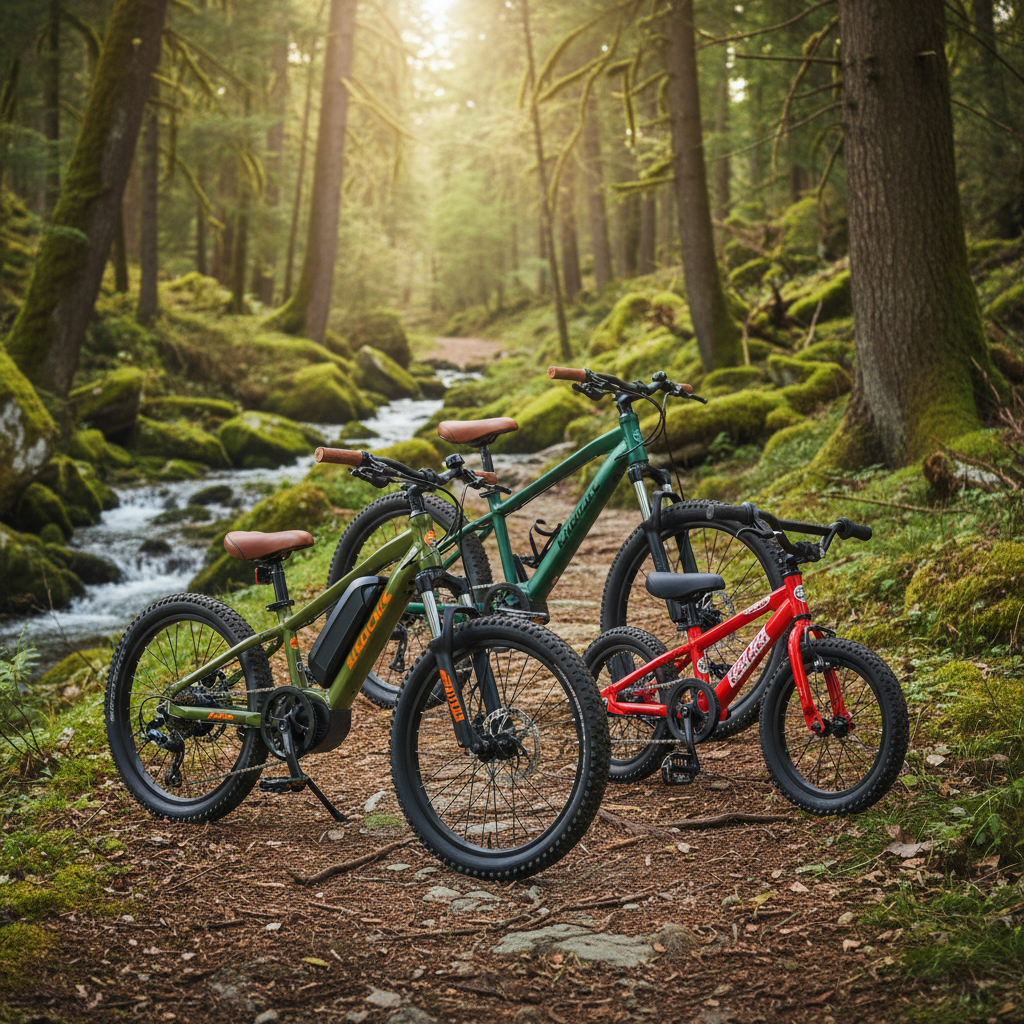
Understanding Kids' Mountain Bike Sizes
Proper sizing is crucial for a child's safety and comfort. A bike that is too large or too small can make it difficult to control and even lead to injury. Bike sizes are generally determined by wheel diameter and, to a lesser extent, the child's height. Here's a general guide:
Size Guide: Wheel size corresponds to rider height, though it's best to test ride to confirm.
Different Types of Mountain Bikes for Kids
Just like adult mountain bikes, kids' bikes come in various types, each suited for different riding styles and terrains. The most common types include:
- Hardtail Mountain Bikes: These bikes have suspension only in the front fork, making them lightweight and efficient for climbing and smoother trails.
- Full Suspension Mountain Bikes: These bikes feature both front and rear suspension, offering more comfort and control on rougher terrain. They are generally heavier and more expensive than hardtails.
- Balance Bikes: For the youngest riders, balance bikes help develop coordination and balance before transitioning to pedal bikes.
Bike Type Considerations:
• Trail Conditions: Smooth trails favor hardtails, while rough terrain benefits from full suspension.
• Rider Skill Level: Beginners often start with hardtails, progressing to full suspension as skills develop.
• Budget: Full suspension bikes are generally more expensive.
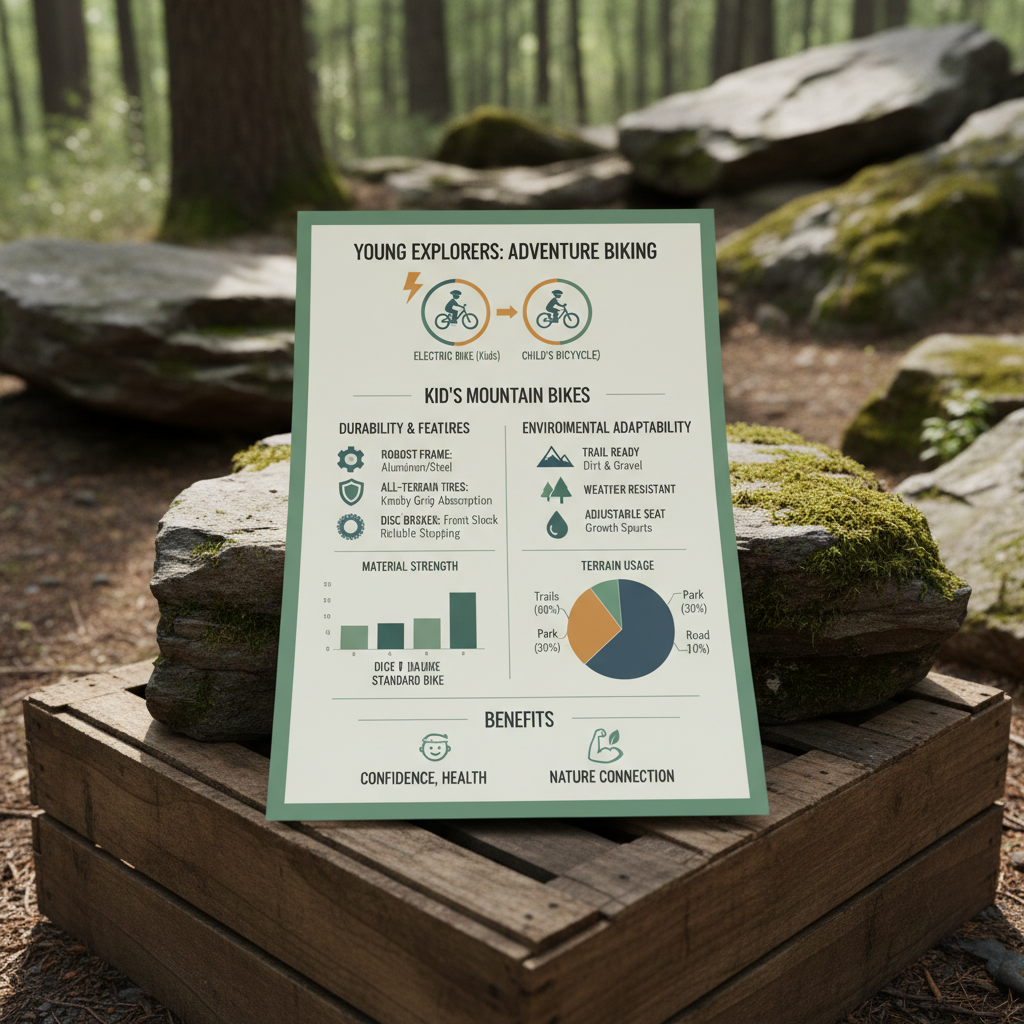
Key Features to Look for in a Mountain Bike for Kids
Several key features contribute to a safe and enjoyable riding experience. Look for:
- Lightweight Frame: Aluminum frames are a good choice, as they’re durable yet relatively lightweight.
- Adjustable Seat Post: Allows the bike to grow with your child.
- Easy-to-Use Shifters: Simple shifters help kids learn to change gears without getting frustrated.
- Reliable Brakes: V-brakes or disc brakes provide good stopping power.
- Knobby Tires: Provide traction on dirt and trails.
Comparing Popular Kids’ Mountain Bike Brands
Several reputable brands offer high-quality kids’ mountain bikes. Here’s a comparison of a few popular options:
Safety Gear: Don't Forget the Essentials!
A mountain bike for kids isn’t complete without essential safety gear. Always ensure your child wears a properly fitted helmet. Knee and elbow pads, gloves, and eye protection are also recommended, especially on more challenging trails. Regularly inspect the bike and safety gear for wear and tear.
Conclusion: Finding the Perfect Ride
Choosing the right mountain bike for your child is an investment in their health, happiness, and love of the outdoors. By considering their size, skill level, and the types of trails they’ll be riding, you can find a bike that provides a safe, comfortable, and enjoyable experience. Remember to prioritize safety gear and encourage responsible riding habits. Explore the options at Yanline Bike to discover the perfect mountain bike for your little adventurer.
Frequently Asked Questions (FAQs)
What is the best age to start a child on a mountain bike?
Generally, children can start on a balance bike as early as 18 months to 2 years old. Transitioning to a pedal bike with training wheels is typically appropriate around age 4 or 5, depending on their coordination and balance. For actual mountain biking on trails, waiting until they are around 6-8 years old and have developed good bike handling skills is recommended. Focus on building confidence and basic skills before tackling more challenging terrain. It's important to prioritize safety and ensure the bike fits properly.
How often should I maintain my child’s mountain bike?
Regular maintenance is crucial for safety and performance. Check the tire pressure before each ride. Lubricate the chain every few weeks, or more often in dusty or wet conditions. Inspect the brakes for proper function. Periodically tighten bolts and screws. A more thorough inspection should be performed every few months, including checking the wheels for trueness and the headset for play. Consider taking the bike to a professional bike shop for a tune-up at least once a year.
Are full suspension bikes worth the investment for kids?
Full suspension bikes provide a more comfortable and controlled ride on rough terrain, but they are more expensive and heavier than hardtails. For beginner riders or those primarily riding smoother trails, a hardtail is often a good choice. However, if your child enjoys challenging trails and is developing more advanced riding skills, a full suspension bike can significantly enhance their experience and confidence. Consider your child's riding style and the terrain they’ll be tackling when making this decision.
What kind of helmet should my child wear when mountain biking?
It’s critical to choose a helmet specifically designed for mountain biking. These helmets offer more coverage than standard bike helmets, protecting the back of the head and temples. Look for a helmet that meets safety standards (e.g., CPSC certified). Ensure the helmet fits snugly and comfortably and is properly adjusted. Replace the helmet after any impact, even if it appears undamaged. Consider a helmet with MIPS (Multi-directional Impact Protection System) for added safety.
-
The Ultimate Guide to Choosing a Perfect tandem mountain bike
NewsApr.16,2026
-
The Ultimate Guide to Choosing a Specialized Mountain Bike
NewsApr.09,2026
-
Choosing the Right Specialized Mountain Bike for Your Trail Adventures
NewsApr.07,2026
-
Choosing the Right Specialized Mountain Bike for Your Riding Adventures
NewsApr.04,2026
-
Ultimate Guide to Choosing the Best Mountain Bikes for Women Riders
NewsMar.31,2026
-
Comprehensive Guide to Choosing the Right Mountain Bike XC for Optimal Performance
NewsMar.28,2026
-
Comprehensive Mountain Bike Reviews for Finding Your Ideal Ride
NewsMar.26,2026