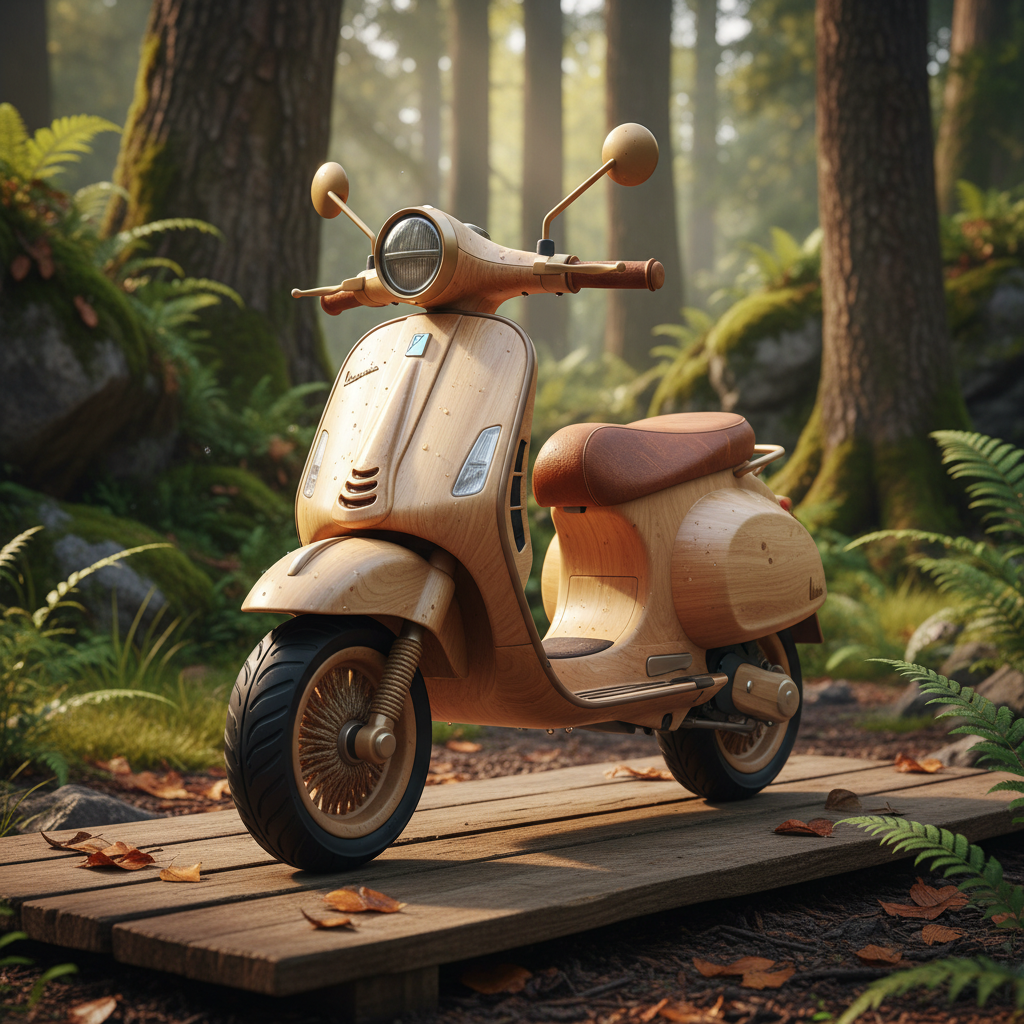
The world is seeing a quiet revolution on two wheels – the rise of the electric cycle. It’s not just about recreation anymore; it's about fundamentally changing how we move people and goods, especially in increasingly congested urban areas and challenging rural landscapes. From tackling the last-mile delivery problem to providing affordable personal transportation, the electric cycle is proving its worth. We're moving beyond simply replacing a gas engine with a battery, and really starting to design around the capabilities that electrification unlocks.
Globally, demand for micromobility solutions is soaring. A 2023 report by the UN Environment Programme estimates that the e-bike market will grow to over $40 billion by 2028. But it’s not just about numbers. There's a critical need to address the accessibility gap, particularly in developing nations where traditional transportation options can be expensive or unreliable. Electric cycles offer a viable, sustainable alternative. We’re seeing them integrated into everything from postal services to agricultural operations, demonstrating their versatility.
The core of it all is simple: an electric cycle is a bicycle with an integrated electric motor to assist propulsion. But the simplicity masks a complex interplay of engineering and design. It's a response to a clear demand for more efficient, sustainable, and accessible transportation. Modern versions are often equipped with sophisticated battery management systems, digital displays, and connectivity features. It’s not just about getting from A to B; it's about how you get there, and the experience along the way.
The Global Rise of Electric Cycles
Let’s be real – I’ve spent years knee-deep in mud on construction sites, and I’ve seen firsthand the problems with relying solely on cars and trucks. Congestion, pollution, the cost… it all adds up. Electric cycles are filling a crucial niche, especially for workers who need to navigate urban centers quickly and efficiently. We're seeing them used on job sites for quick tool runs, site inspections, and even delivering smaller materials. It's a practical solution.
This isn't a niche market; it's a fundamental shift in transportation. From Europe's aggressive bike-lane infrastructure investments to the growing popularity of bike-sharing programs in North America, the groundwork is being laid for widespread adoption. The pandemic certainly accelerated this trend, as people sought safe, outdoor alternatives to crowded public transit. And it's not slowing down.
Defining the Electric Cycle
At its heart, an electric cycle – or e-bike – is a bicycle augmented with an electric motor. This motor provides assistance to the rider, making pedaling easier, especially uphill or against strong winds. Crucially, it’s assist; most e-bikes still require pedaling, distinguishing them from motorcycles or scooters. The level of assistance is usually adjustable, allowing the rider to control how much effort they exert.
This isn’t some newfangled invention. Early iterations appeared in the late 19th century, but advancements in battery technology and motor design have truly unlocked the potential in recent years. It’s a direct response to a need for cleaner, more efficient personal transport, fitting neatly into existing infrastructure. It’s about making cycling accessible to a wider range of people, regardless of fitness level or terrain.
The connection to modern industry is strong. Supply chain resilience is a hot topic right now, and e-bikes play a role in last-mile delivery, reducing reliance on gas-powered vehicles and streamlining operations. The humanitarian aspect is equally important, providing affordable transportation in areas where traditional options are limited.
Key Components and Systems
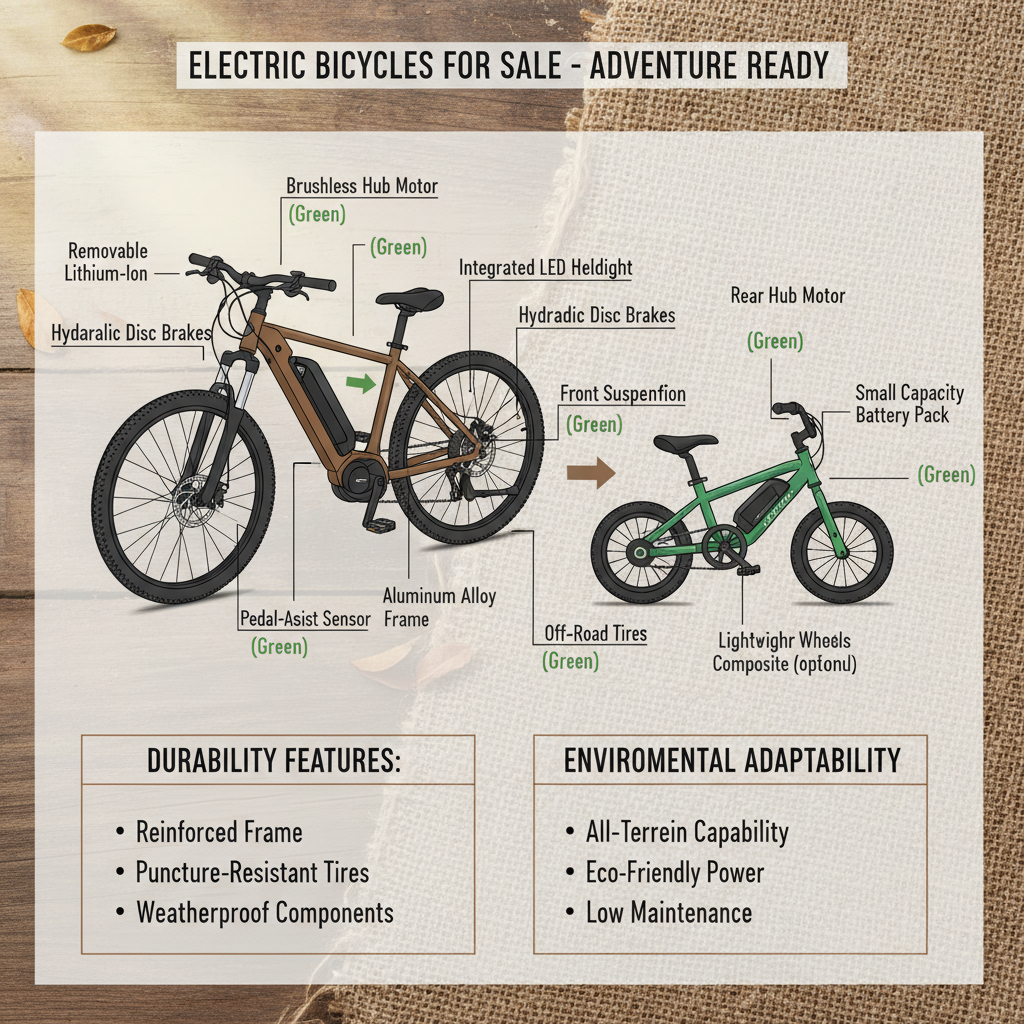
Several key components define the performance and reliability of an electric cycle. The battery, typically lithium-ion, is the energy source. Its capacity determines the range of the e-bike. Then you have the motor – usually hub-mounted or mid-drive – which provides the power. The controller manages the power delivery from the battery to the motor.
Beyond the core components, the frame material (aluminum, steel, carbon fiber) impacts weight and durability. Good brakes – hydraulic disc brakes are becoming standard – are essential for safety. And increasingly, integrated sensors and connectivity features are being incorporated, providing data on speed, distance, battery life, and even navigation. I’ve seen a lot of cheap components fail under pressure; quality matters.
The motor's power (measured in watts) and torque (measured in Newton-meters) are crucial metrics. Higher wattage means more power, while higher torque means better acceleration and climbing ability. The battery voltage also influences performance. It’s a balancing act between power, range, and weight.
Performance Metrics and Capabilities
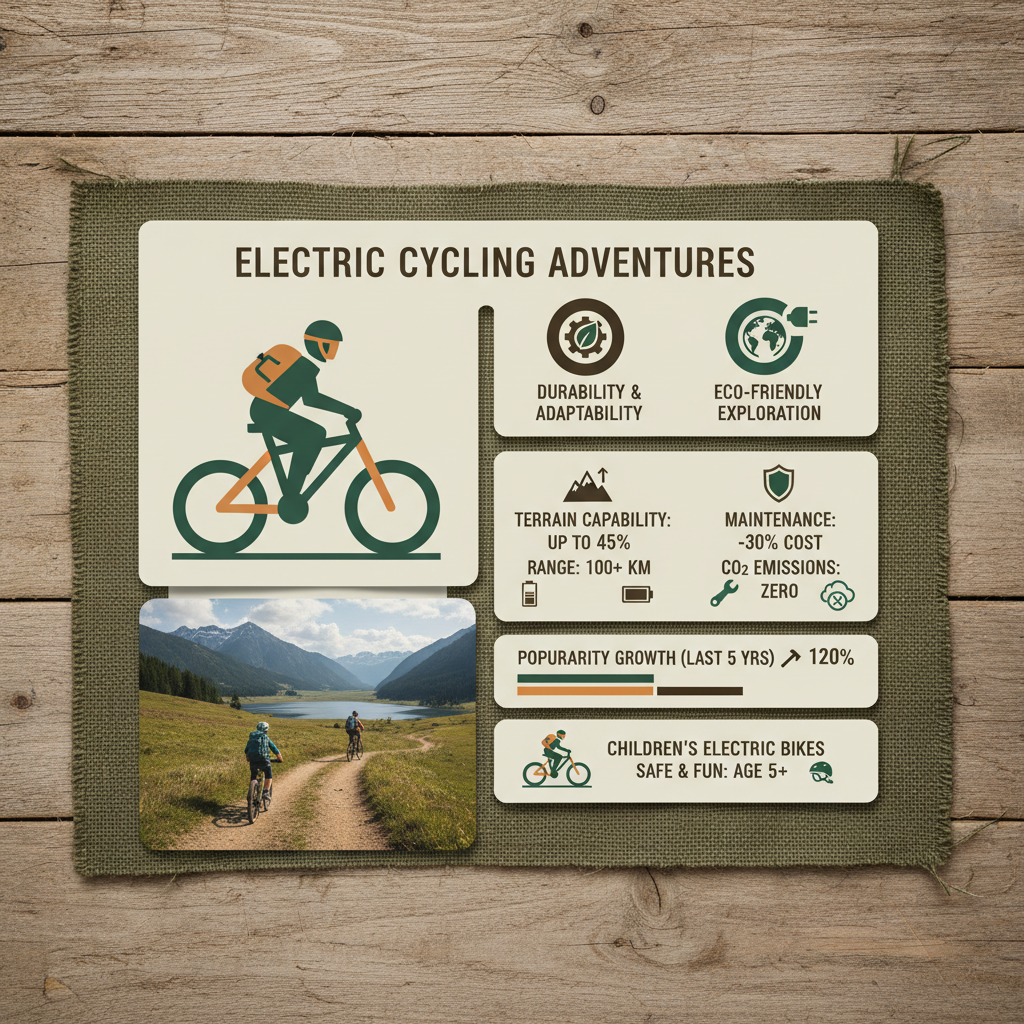
When we talk about electric cycle performance, it’s not just about top speed. It’s about real-world usability. Range is a huge factor – how far can you go on a single charge? This is impacted by battery capacity, motor efficiency, terrain, and rider weight. A realistic range for a commuter e-bike is typically between 20 and 60 miles.
Another key metric is climbing ability. Can the e-bike tackle steep hills without leaving the rider exhausted? This depends on the motor's torque and the bike's gearing. Weight capacity is also important, especially for cargo e-bikes.
Electric Cycle Performance Comparison
Global Applications and Use Cases
The applications for electric cycles are incredibly diverse. In densely populated cities, they're revolutionizing last-mile delivery, allowing courier services to navigate traffic congestion and reduce emissions. I've seen entire fleets of delivery riders switching to e-bikes.
In rural areas, they provide access to markets and essential services for communities that may lack reliable transportation. In post-disaster relief operations, they can be used to deliver aid to remote areas. Even within industrial sites, like sprawling warehouses, they’re becoming invaluable for moving personnel and lightweight materials quickly and efficiently.
Advantages and Long-Term Value
The benefits are pretty straightforward. Cost savings are significant – reduced fuel costs, lower maintenance compared to cars, and potential tax incentives. Sustainability is a huge draw, with zero tailpipe emissions. Social impact is also substantial, providing affordable transportation and promoting healthier lifestyles.
But it goes beyond the tangible. There's a psychological benefit to cycling – a sense of freedom and connection to the environment. Reliability is key, and modern e-bikes are surprisingly durable. The increasing availability of charging infrastructure is further bolstering their appeal. It’s about building a more livable, sustainable future.
Future Trends and Innovations
We're just scratching the surface of what’s possible with electric cycles. Battery technology is rapidly evolving, with increased energy density and faster charging times. Integration with smart city infrastructure – real-time traffic data, optimized routing – will enhance the riding experience.
The development of more sophisticated motor control systems will improve efficiency and performance. We’ll also see more emphasis on lightweight materials and aerodynamic designs. The convergence of e-bikes with digital technologies – apps, sensors, connectivity – will create a truly connected and personalized riding experience.
The use of recycled materials and sustainable manufacturing processes is also becoming increasingly important. As the demand for electric cycles continues to grow, it’s crucial that we prioritize environmental responsibility throughout the entire lifecycle of the product.
Summary of Future Electric Cycle Developments
| Technology Area |
Current Status |
Projected Development (5 Years) |
Potential Impact on electric cycle |
| Battery Technology |
Lithium-ion, 36V-48V systems |
Solid-state batteries, increased energy density |
Significantly increased range and reduced charging times |
| Motor Efficiency |
80-90% efficiency for mid-drive motors |
95%+ efficiency with advanced materials and designs |
Greater range and power output for the same battery capacity |
| Connectivity & Smart Features |
Basic Bluetooth connectivity for app control |
5G integration, real-time traffic data, autonomous safety features |
Enhanced safety, optimized routing, personalized riding experience |
| Frame Materials |
Aluminum alloy, steel, carbon fiber |
Increased use of recycled materials, bio-based composites |
Reduced environmental impact and improved sustainability |
| Charging Infrastructure |
Limited public charging stations |
Widespread public charging networks, wireless charging options |
Increased convenience and accessibility for e-bike riders |
| Safety Systems |
Standard brakes, lights, reflectors |
Advanced braking systems (ABS), integrated sensors for collision avoidance |
Enhanced rider safety and reduced accident risk |
FAQS
The lifespan of an electric cycle battery generally ranges from 3 to 5 years, depending on usage patterns, charging habits, and battery quality. Factors like deep discharges, extreme temperatures, and frequent fast charging can shorten the battery's lifespan. Proper maintenance, such as storing the battery in a cool, dry place and avoiding complete depletion, can help maximize its longevity. Replacement batteries are readily available, but can be a significant expense.
The legality of riding electric cycles varies by location. Most jurisdictions classify e-bikes into different classes based on their motor power and speed capabilities. Class 1 e-bikes (pedal-assist only, up to 20 mph) and Class 2 e-bikes (throttle-assisted, up to 20 mph) are generally permitted on bike paths and roads. Class 3 e-bikes (pedal-assist only, up to 28 mph) may have restrictions in certain areas. It’s crucial to check local regulations before riding.
Charging an electric cycle is very inexpensive. The cost typically ranges from just a few cents to around $1 per full charge, depending on your local electricity rates and the battery capacity. This is significantly cheaper than fueling a car or motorcycle. A full charge usually provides between 20 and 60 miles of range, making e-bikes a cost-effective transportation option.
Electric cycles require similar maintenance to traditional bicycles, such as regular chain lubrication, tire inflation, and brake adjustments. In addition, the motor, battery, and controller may require occasional inspection and maintenance. It's recommended to have the e-bike serviced by a qualified technician at least once a year to ensure optimal performance and safety.
Yes, electric cycles are excellent for hilly terrain. The electric motor provides assistance, making it much easier to climb hills without excessive effort. Mid-drive motors are particularly effective on hills, as they leverage the bike's gears for optimal torque. Riders can adjust the level of assistance to suit the steepness of the hill and their desired level of exertion.
Consider your intended use. Commuting? Recreation? Cargo hauling? This will influence the type of e-bike you need. Pay attention to battery capacity (range), motor power (torque), brake quality, frame material, and overall build quality. Test ride different models to find one that fits comfortably and meets your needs. Also, research the manufacturer's reputation and warranty coverage.
Conclusion
The electric cycle is more than just a trend; it’s a fundamental shift in how we approach personal transportation. From reducing congestion and emissions to providing affordable access and promoting healthier lifestyles, the benefits are clear. It's a versatile solution with applications spanning urban commutes, rural access, and even industrial operations. The future of cycling is undeniably electric.
As battery technology continues to advance and infrastructure improves, we can expect to see even wider adoption of electric cycles. Investing in quality components, prioritizing sustainability, and fostering innovation will be key to unlocking the full potential of this transformative technology. If you're looking for a more efficient, sustainable, and enjoyable way to get around, explore the world of electric cycles – you won't be disappointed. Visit our website: www.yanlinebike.com