


Apr . 04, 2026 02:05 Back to list
Choosing the Right Specialized Mountain Bike for Your Riding Adventures
Choosing the Right Specialized Mountain Bike
Navigating the world of mountain biking can be overwhelming, especially when it comes to choosing the right bike. A specialized mountain bike isn't just a mode of transportation; it’s an investment in exhilarating adventures, challenging terrains, and a passion for the outdoors. This guide will help you understand the key features, types, and considerations when selecting a specialized mountain bike that perfectly matches your riding style and needs. We'll cover everything from hardtails to full-suspension bikes, ensuring you make an informed decision.
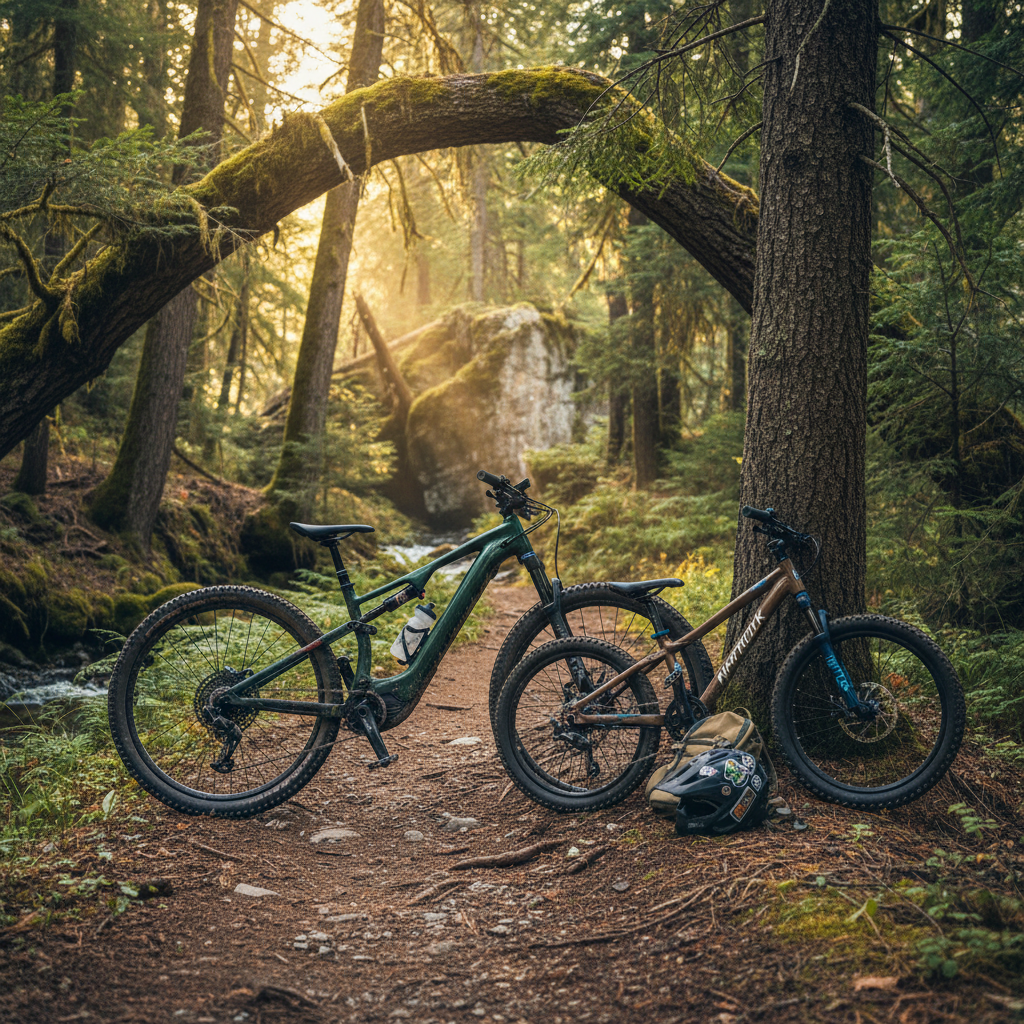
Understanding Different Types of Specialized Mountain Bikes
Specialized mountain bikes come in several varieties, each designed for specific riding styles. The two main categories are hardtail and full-suspension. Hardtail bikes feature suspension only in the front fork, offering a lightweight and efficient ride, ideal for cross-country and smoother trails. Full-suspension bikes incorporate suspension in both the front and rear, providing superior comfort and control on rough and technical terrain. Beyond these, you'll find sub-categories like trail bikes, enduro bikes, and downhill bikes, each tailored to increasingly aggressive riding. Understanding these distinctions is the first step to finding the right bike.
Key Differences: Hardtails are efficient and affordable, while full-suspension bikes offer superior comfort and control on challenging terrain.
Choosing the Right Suspension: Travel and Adjustability
The amount of suspension travel, measured in millimeters, significantly impacts a bike's performance. More travel provides greater cushioning for larger impacts, ideal for downhill or enduro riding. Less travel enhances efficiency for cross-country riding. Beyond travel, adjustability is key. Look for bikes with adjustable rebound damping and compression damping, allowing you to fine-tune the suspension to your weight, riding style, and terrain. A specialized mountain bike offering this level of customization will provide a superior riding experience.
Suspension Travel Guidelines:
• 80-100mm: Cross-Country
• 120-140mm: Trail Riding
• 150-170mm: Enduro
• 180mm+: Downhill
Specialized Mountain Bike Features: A Comparative Look
Several features distinguish high-quality specialized mountain bikes. These include the frame material (aluminum, carbon fiber), the drivetrain (Shimano, SRAM), and the braking system (hydraulic disc brakes). Frame material impacts weight and stiffness. Drivetrain components determine shifting performance and reliability. Hydraulic disc brakes provide superior stopping power and control in all conditions. When comparing bikes, pay attention to the quality and compatibility of these components.
Finding the Perfect Fit: Sizing and Geometry
Proper fit is paramount for comfort, control, and efficiency. Specialized mountain bikes are typically sized by frame size (Small, Medium, Large, etc.), determined by your height and inseam. However, geometry – the angles and dimensions of the frame – also plays a crucial role. Different geometries cater to different riding styles. Aggressive geometries prioritize stability at high speeds, while more relaxed geometries emphasize comfort and maneuverability. It’s essential to test ride bikes and consult with a knowledgeable salesperson to find the optimal fit. Yanlinebike offers expert fitting services to ensure you get the perfect bike.
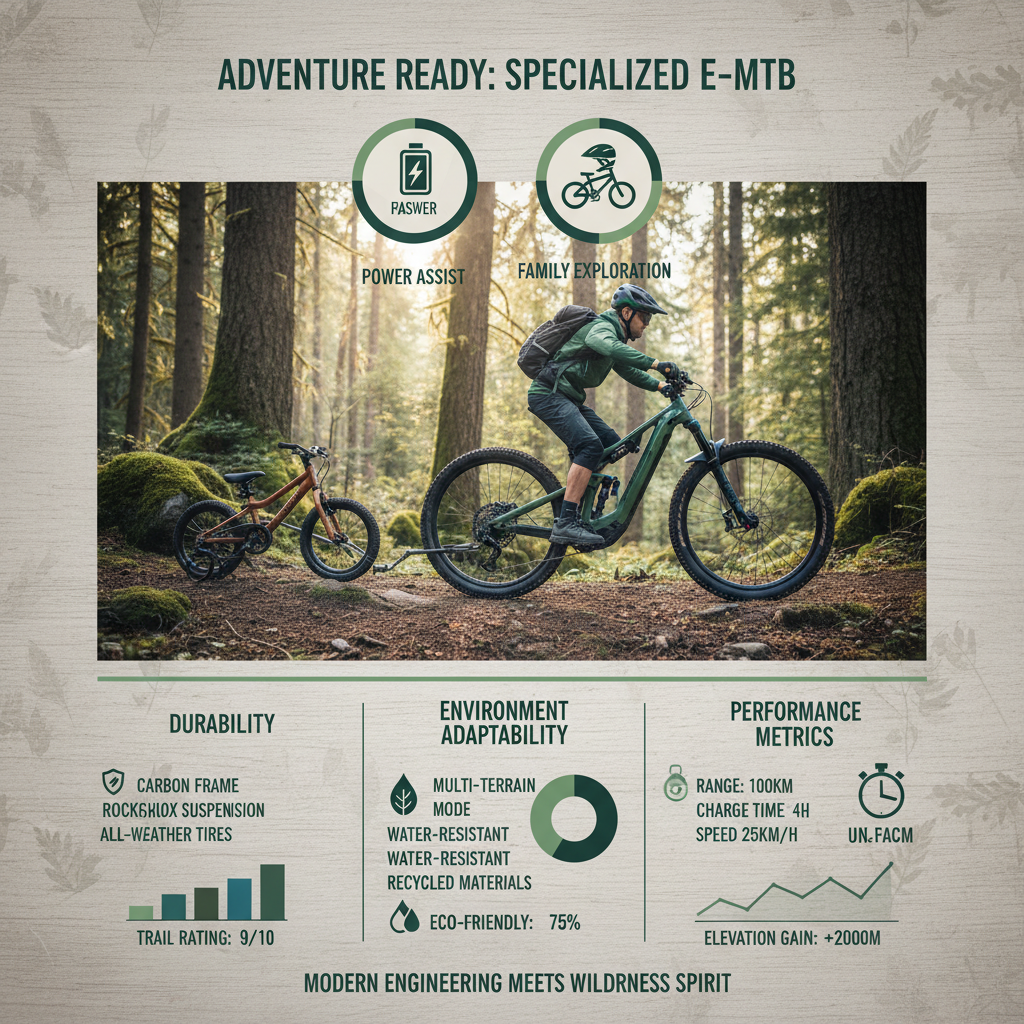
Investing in a Specialized Mountain Bike: A Long-Term Commitment
Purchasing a specialized mountain bike is an investment in your outdoor adventures. Regular maintenance, including cleaning, lubrication, and periodic tune-ups, is crucial to ensure its longevity and performance. Proper storage and protection from the elements will also extend its lifespan. By taking good care of your bike, you'll enjoy countless hours of exhilarating rides for years to come. The quality and durability of a specialized mountain bike make it a worthwhile investment for any serious rider.
Conclusion: Find Your Perfect Ride
Choosing the right specialized mountain bike requires careful consideration of your riding style, terrain, and budget. By understanding the different types of bikes, key features, and proper fit, you can confidently select a bike that will provide years of exhilarating adventures. Don't hesitate to seek expert advice and test ride different models to find the perfect match. Get out there and explore!
Frequently Asked Questions (FAQs)
What's the difference between a trail bike and an enduro bike?
Trail bikes are versatile all-rounders designed for a mix of climbing and descending. They typically have 120-140mm of suspension travel and prioritize efficiency and maneuverability. Enduro bikes, on the other hand, are built for aggressive descending with a focus on handling challenging technical terrain. They feature longer suspension travel (150-170mm) and a more robust frame. While both can climb, enduro bikes are less efficient uphill.
How often should I service my mountain bike?
Regular servicing is crucial for maintaining optimal performance. A basic tune-up, including brake and gear adjustments, should be done at least once a year, or more frequently if you ride in harsh conditions. Suspension components should be serviced according to the manufacturer's recommendations, typically every 50-100 hours of riding. A thorough overhaul, including bearing replacement and frame inspection, is recommended every few years.
What tire pressure should I run for mountain biking?
Tire pressure is highly dependent on your weight, riding style, and the terrain. Generally, lower pressures provide better traction and comfort, while higher pressures reduce rolling resistance and protect against pinch flats. A good starting point is 22-25 PSI for front tires and 24-28 PSI for rear tires. Experiment to find the pressure that works best for you.
What are tubeless tires and are they worth it?
Tubeless tires eliminate the inner tube, relying on sealant to create an airtight seal. This significantly reduces the risk of pinch flats and allows you to run lower tire pressures for improved traction and comfort. While the initial setup can be more complex, the benefits of tubeless tires often outweigh the cost, especially for trail and enduro riding.
-
The Ultimate Guide to Choosing a Specialized Mountain Bike
NewsApr.09,2026
-
Choosing the Right Specialized Mountain Bike for Your Trail Adventures
NewsApr.07,2026
-
Ultimate Guide to Choosing the Best Mountain Bikes for Women Riders
NewsMar.31,2026
-
Comprehensive Guide to Choosing the Right Mountain Bike XC for Optimal Performance
NewsMar.28,2026
-
Comprehensive Mountain Bike Reviews for Finding Your Ideal Ride
NewsMar.26,2026
-
Choosing the Perfect Mountain Bike for Kids A Comprehensive Buyers Guide
NewsMar.24,2026
-
Elevate Your Ride with Expert Mountain Bike Action and Guidance
NewsMar.21,2026