


Mar . 04, 2026 02:15 Back to list
Choosing the Perfect Trail Mountain Bike for Your Next Adventure
Choosing the Right Trail Mountain Bike for Your Adventure
Navigating the world of trail mountain bikes can feel daunting. With numerous options available, understanding your needs and the bike's features is key. This guide will equip you with the knowledge to select the perfect trail mountain bike for your riding style and terrain, from beginner-friendly models to advanced, performance-oriented machines. We'll cover essential components, geometry considerations, and how to choose a bike that maximizes your enjoyment on the trails.
Understanding Trail Mountain Bike Geometry
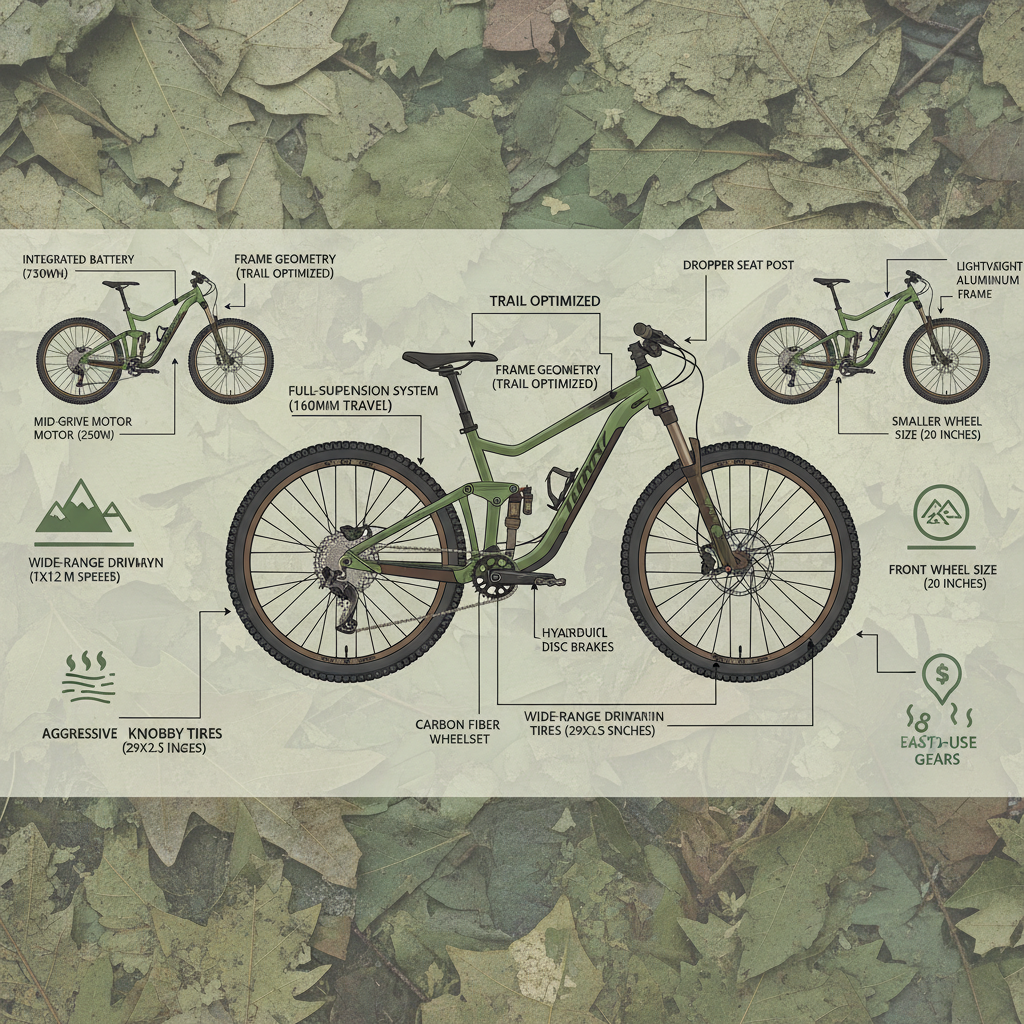
Geometry is the backbone of a trail mountain bike’s handling characteristics. Key angles to consider include the head tube angle, seat tube angle, and chainstay length. A slacker head tube angle (around 65-67 degrees) provides more stability at high speeds and on steep descents, while a steeper angle offers quicker steering. The seat tube angle influences climbing efficiency, with steeper angles positioning the rider more forward over the pedals. Shorter chainstays improve maneuverability, while longer chainstays enhance stability. A well-balanced geometry creates a bike that's both capable on technical trails and efficient on climbs. Yanline Bike offers a range of bikes catering to different geometry preferences.
Key Geometry Considerations: Head tube angle, seat tube angle, chainstay length, reach, and stack height all influence the bike’s handling and fit.
Suspension Travel and Bike Category
Trail mountain bikes typically feature 130-150mm of suspension travel, striking a balance between climbing efficiency and downhill capability. Within the trail category, there are sub-categories. ‘Short-travel trail bikes’ (around 130mm) excel at efficient pedaling and covering ground quickly, while ‘long-travel trail bikes’ (closer to 150mm) are more confident on steeper, more technical terrain. The suspension system—whether it’s a single-pivot, Horst-link, or other design—impacts the bike's feel and performance. Consider the type of trails you’ll be riding most often when determining the appropriate suspension travel.
Suspension Travel Guide:
• 120-130mm: Cross-Country Trail
• 130-140mm: All-Mountain/Trail
• 140-150mm: Trail/Enduro
• 150mm+: Enduro/Downhill
Key Components of a Trail Mountain Bike
Beyond geometry and suspension, several key components define a trail mountain bike’s performance. These include the drivetrain (shifters, derailleurs, cassette, chainring), brakes (hydraulic disc brakes are standard), wheels (tubeless-ready wheels are highly recommended), and tires (choose tires based on terrain and riding conditions). Investing in quality components will enhance reliability, performance, and overall riding experience. Yanline Bike utilizes reliable component brands like Shimano and SRAM.
Choosing the Right Size Trail Mountain Bike
Proper bike fit is crucial for comfort, efficiency, and control. Most manufacturers provide sizing charts based on rider height. However, inseam length and arm reach are also important considerations. A bike shop can perform a professional bike fit to ensure you're on the right size frame. Don't hesitate to test ride different sizes to find the most comfortable and confidence-inspiring fit.
Budget and Considerations
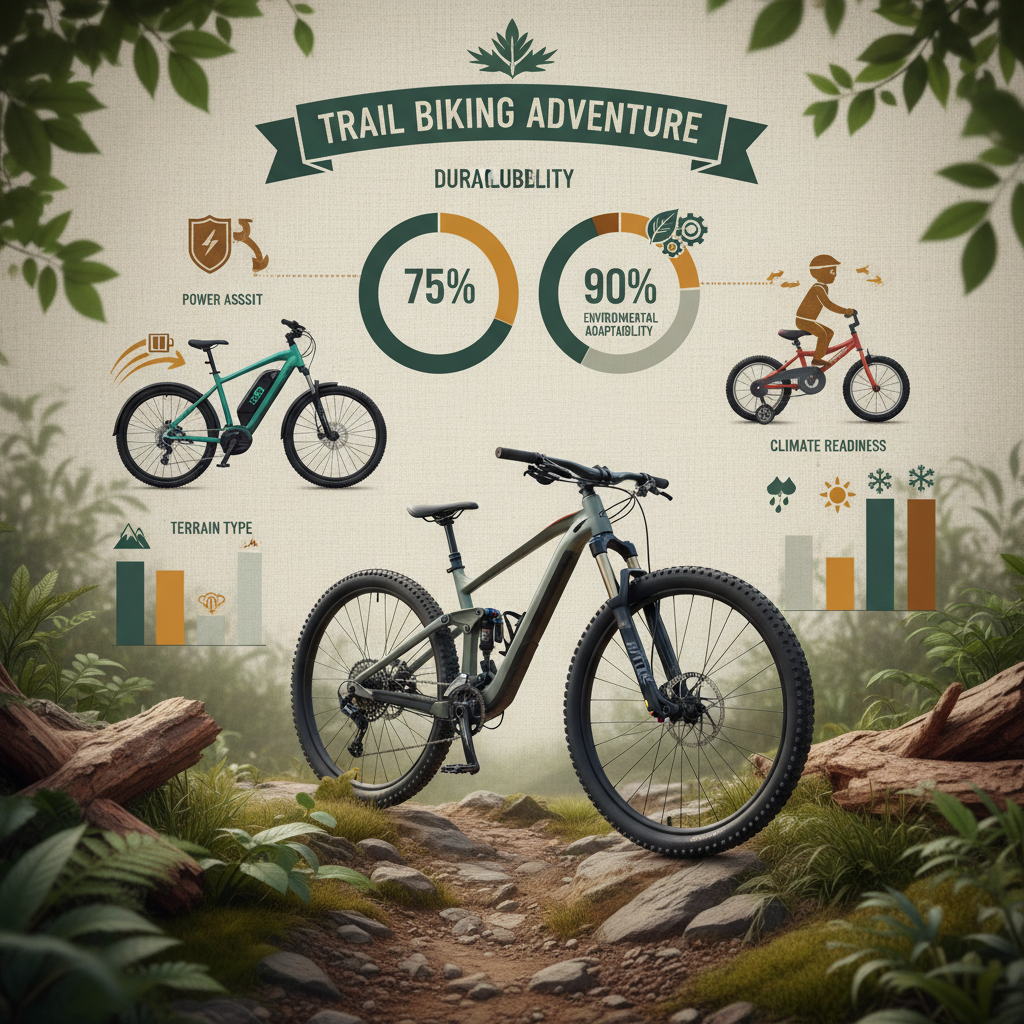
Trail mountain bikes range in price from around $1,500 to $10,000+. Your budget will influence the quality of components and the overall performance of the bike. Consider your skill level and the type of trails you'll be riding. A beginner-friendly bike with reliable components is a great starting point, while experienced riders may want to invest in a higher-end model with advanced features. Don't forget to factor in the cost of accessories, such as a helmet, gloves, shoes, and a repair kit. Yanline Bike offers options across a variety of price points.
Conclusion: Find Your Perfect Ride
Choosing the right trail mountain bike is an investment in your enjoyment and safety. By understanding your riding style, terrain preferences, and key components, you can find a bike that empowers you to explore the trails with confidence. Visit Yanline Bike today to explore our wide selection of quality trail mountain bikes and find the perfect fit for your adventure.
Frequently Asked Questions (FAQs)
What is the difference between a trail bike and an enduro bike?
While both trail and enduro bikes are designed for challenging terrain, enduro bikes are generally more downhill-focused. Enduro bikes typically have longer suspension travel (160-180mm), slacker head tube angles, and more robust components to handle aggressive descents. Trail bikes, on the other hand, prioritize a balance between climbing efficiency and downhill capability, with around 130-150mm of travel and a more versatile geometry. The main difference lies in their intended use: trail bikes for all-around trail riding, and enduro bikes for racing and challenging descents.
Do I need a full-suspension bike for trail riding?
While you can technically trail ride on a hardtail (front suspension only) bike, a full-suspension bike significantly enhances comfort, control, and efficiency, especially on rough terrain. The rear suspension absorbs bumps and vibrations, reducing fatigue and improving traction. A full-suspension bike also allows you to ride more aggressively and tackle more challenging trails with confidence. However, hardtails are often more affordable and require less maintenance.
What tire pressure should I run on my trail bike?
Tire pressure depends on several factors, including your weight, riding style, terrain, and whether you're running tubeless tires. A good starting point is around 22-25 PSI for both front and rear tires if using tubes. If you're running tubeless, you can typically run lower pressures (around 18-22 PSI) for increased grip and comfort. Experiment with different pressures to find what works best for you and the conditions. Always check your tire pressure before each ride.
How often should I service my trail mountain bike?
Regular maintenance is essential for keeping your trail mountain bike in top condition. You should perform basic maintenance tasks, such as cleaning and lubricating the chain, checking tire pressure, and inspecting brakes, after every ride. A more thorough service, including suspension maintenance, drivetrain cleaning, and brake bleeding, should be done at least once a year, or more frequently if you ride aggressively or in harsh conditions.
-
The Ultimate Guide to Choosing a Perfect tandem mountain bike
NewsApr.16,2026
-
The Ultimate Guide to Choosing a Specialized Mountain Bike
NewsApr.09,2026
-
Choosing the Right Specialized Mountain Bike for Your Trail Adventures
NewsApr.07,2026
-
Choosing the Right Specialized Mountain Bike for Your Riding Adventures
NewsApr.04,2026
-
Ultimate Guide to Choosing the Best Mountain Bikes for Women Riders
NewsMar.31,2026
-
Comprehensive Guide to Choosing the Right Mountain Bike XC for Optimal Performance
NewsMar.28,2026
-
Comprehensive Mountain Bike Reviews for Finding Your Ideal Ride
NewsMar.26,2026