


Mar . 28, 2026 02:15 Back to list
Comprehensive Guide to Choosing the Right Mountain Bike XC for Optimal Performance
Choosing the Right Mountain Bike XC: A Comprehensive Guide
Cross-country (XC) mountain biking is a thrilling discipline that demands both physical endurance and a capable machine. Selecting the perfect mountain bike XC can dramatically improve your performance and enjoyment on the trails. This guide will delve into the key features, components, and considerations when choosing an XC bike, helping you make an informed decision. We’ll cover everything from frame materials to suspension choices, ensuring you’re well-equipped for your next adventure.
Understanding the Core Components of an XC Mountain Bike
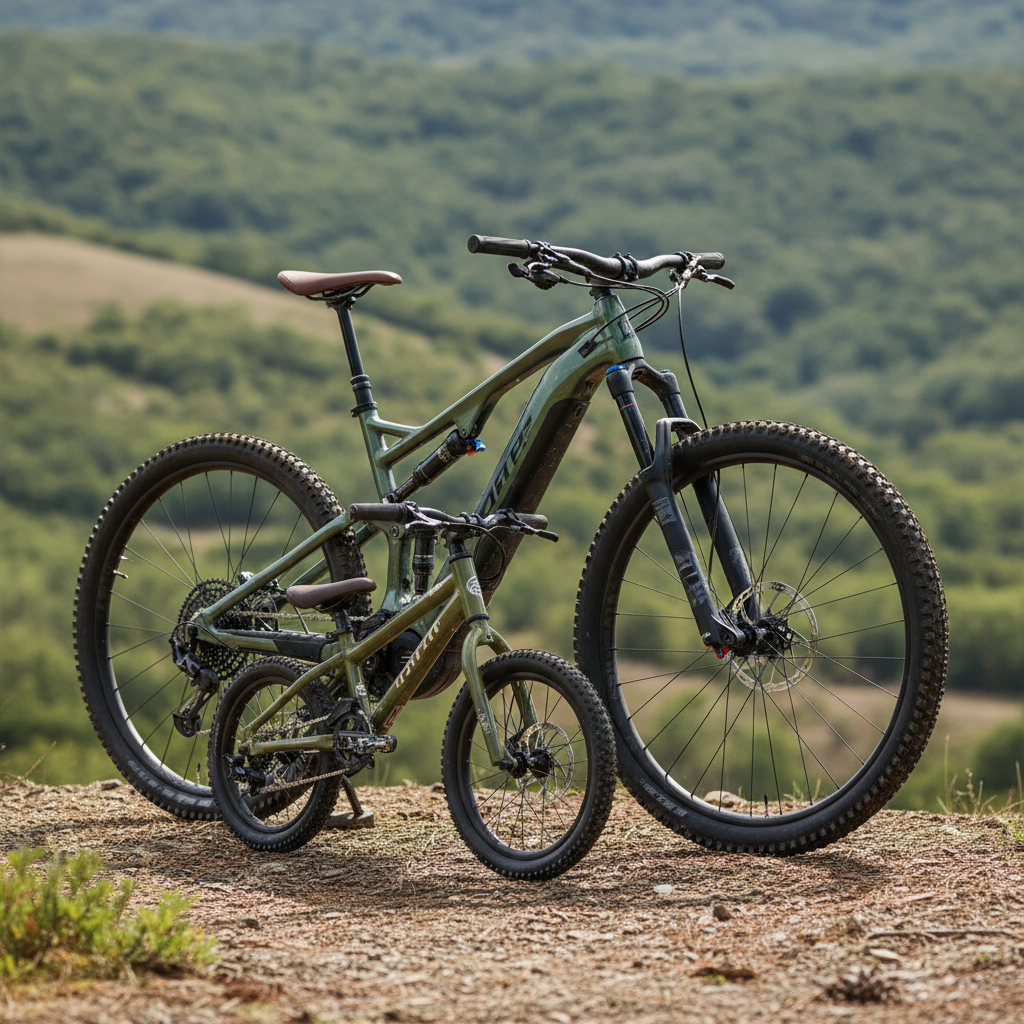
An XC mountain bike is engineered for efficiency, lightweight performance, and climbing prowess. The frame is typically made from carbon fiber or aluminum, prioritizing stiffness and weight reduction. Modern XC bikes often feature full suspension, with shorter travel (around 80-120mm) optimized for pedaling efficiency. Key components include a lightweight fork, a 1x drivetrain (single chainring setup) for simplicity and weight savings, and high-volume tires for grip and comfort. The geometry of an XC bike encourages a forward riding position, maximizing power transfer and control. Investing in a quality mountain bike XC can transform your riding experience.
Frame Materials: Carbon vs. Aluminum
The frame is the heart of any mountain bike, and the material significantly impacts its performance. Aluminum frames are known for their affordability and durability, making them a popular choice for entry-level and mid-range XC bikes. Carbon fiber frames, on the other hand, offer a superior strength-to-weight ratio, resulting in a lighter and more responsive bike. However, carbon fiber frames typically come at a higher price point. Both materials are excellent choices, depending on your budget and riding style. A well-designed aluminum frame can be incredibly capable, while a carbon frame will offer a noticeable performance advantage for serious racers and riders.
Key Takeaway: Carbon fiber offers weight savings and increased responsiveness, but aluminum provides a more affordable and durable option.
Suspension Choices for XC Riding
XC bikes generally fall into three suspension categories: hardtail, short-travel full suspension, and full suspension. Hardtails (no rear suspension) are the most affordable and efficient, ideal for smooth trails and climbing. Short-travel full suspension (80-100mm) provides a balance of efficiency and comfort, absorbing small bumps and roots. Full suspension (100-120mm) offers the most comfort and control, allowing you to tackle more challenging terrain. Your choice depends on the type of trails you ride and your personal preference. A quality suspension system significantly enhances your control and reduces fatigue, allowing you to ride longer and harder.
Drivetrain and Gearing Considerations
Modern XC bikes overwhelmingly utilize 1x drivetrains – a single chainring up front paired with a wide-range cassette in the rear. This simplifies shifting, reduces weight, and minimizes the risk of dropped chains. The cassette range (e.g., 10-51t) determines the gear ratios available, impacting your ability to climb steep hills and maintain speed on descents. Consider your local terrain and fitness level when choosing a cassette range. More gears mean greater versatility, but also increased weight.
Finding the Perfect Fit and Budget for Your Mountain Bike XC
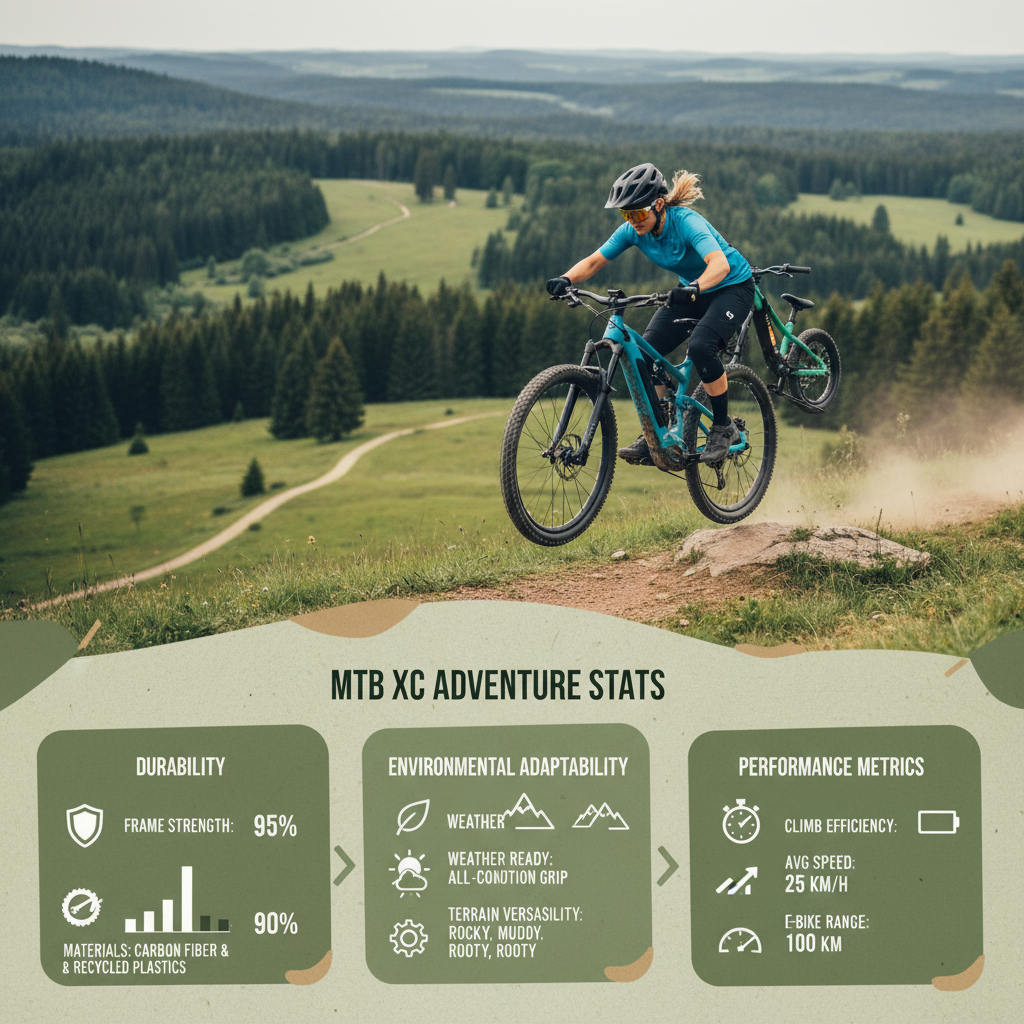
Choosing the right size bike is crucial for comfort and efficiency. Consult a bike shop or utilize online sizing guides to determine the appropriate frame size based on your height and inseam. Prices for mountain bike XC models can vary widely, from around $1,000 for entry-level hardtails to $10,000+ for high-end full suspension bikes. Establish a budget before you start shopping and prioritize the components that matter most to you. Don’t hesitate to test ride different bikes to find the one that feels best. Ultimately, the best XC bike is the one that inspires confidence and helps you achieve your riding goals.
Conclusion: Embrace the Trails with Confidence
Investing in a well-chosen mountain bike XC opens up a world of exhilarating adventures. By considering your riding style, terrain, and budget, you can find the perfect bike to enhance your performance and enjoyment on the trails. Explore the options, test ride different models, and don't be afraid to seek expert advice. With the right bike, you'll be ready to conquer any challenge.
Frequently Asked Questions (FAQs)
What tire pressure should I use for XC riding?
Tire pressure is crucial for maximizing grip and efficiency. A general starting point is between 22-28 PSI, depending on your weight, tire width, and the terrain. Lower pressures (closer to 22 PSI) provide more grip on loose surfaces, while higher pressures (closer to 28 PSI) reduce rolling resistance on smooth trails. Experiment to find the sweet spot that works best for your riding style and conditions. Tubeless tires allow you to run lower pressures without the risk of pinch flats.
How important is bike fit for XC performance?
Bike fit is extremely important for XC performance. A properly fitted bike ensures efficient power transfer, reduces strain on your body, and prevents injuries. Key aspects of bike fit include saddle height, handlebar reach, and stem length. A professional bike fit can identify areas for improvement and optimize your position for maximum comfort and efficiency. Even small adjustments can make a significant difference in your riding experience.
What is the benefit of a dropper post on an XC bike?
A dropper post allows you to lower your saddle height on the fly, providing more control and confidence on technical descents. While traditionally associated with enduro and trail bikes, dropper posts are becoming increasingly popular on XC bikes, especially those ridden on more challenging terrain. The ability to quickly lower your saddle allows you to shift your weight more easily and maintain stability on steep or rocky sections.
How often should I service my XC bike?
Regular maintenance is essential for keeping your XC bike in top condition. Basic tasks, such as cleaning and lubricating your chain, should be done after every ride. More comprehensive servicing, including brake adjustments, cable replacements, and suspension servicing, should be performed at least once a year, or more frequently if you ride in harsh conditions. Consult your bike shop for a recommended service schedule.
-
The Ultimate Guide to Choosing a Perfect tandem mountain bike
NewsApr.16,2026
-
The Ultimate Guide to Choosing a Specialized Mountain Bike
NewsApr.09,2026
-
Choosing the Right Specialized Mountain Bike for Your Trail Adventures
NewsApr.07,2026
-
Choosing the Right Specialized Mountain Bike for Your Riding Adventures
NewsApr.04,2026
-
Ultimate Guide to Choosing the Best Mountain Bikes for Women Riders
NewsMar.31,2026
-
Comprehensive Mountain Bike Reviews for Finding Your Ideal Ride
NewsMar.26,2026
-
Choosing the Perfect Mountain Bike for Kids A Comprehensive Buyers Guide
NewsMar.24,2026