


Feb . 27, 2026 02:05 Back to list
Choosing the Right Gravity Mountain Bike For Thrilling Downhill Adventures
Choosing the Right Gravity Mountain Bike: A Comprehensive Guide
Are you seeking the thrill of downhill riding or the challenge of technical trails? A gravity mountain bike is your ultimate companion. But with numerous options available, selecting the perfect one can be daunting. This guide will delve into the world of gravity mountain biking, exploring key features, types of bikes, and considerations to help you make an informed decision. Whether you’re a seasoned pro or just starting, understanding these aspects will unlock a new level of riding enjoyment.
Understanding Gravity Mountain Biking
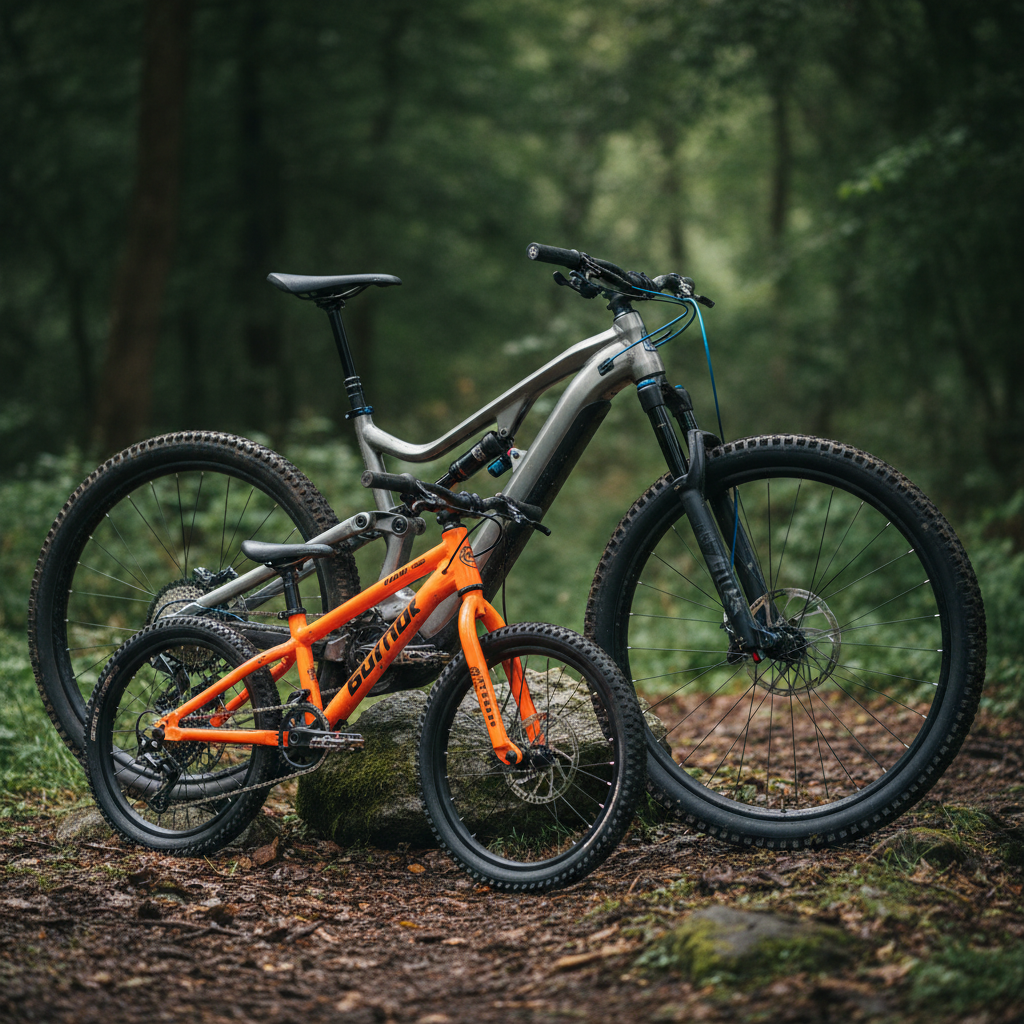
Gravity mountain biking encompasses disciplines like downhill (DH), enduro, and freeride, all centered around descending challenging terrain. These bikes are built for speed, control, and absorbing massive impacts. Unlike cross-country bikes, gravity bikes prioritize suspension travel, robust frames, and powerful brakes. They’re designed to handle jumps, drops, rocks, and roots with confidence. Choosing the correct bike within these disciplines is crucial, and it depends on the type of terrain you'll be tackling and your riding style. A well-chosen gravity mountain bike translates to improved performance and a safer, more exhilarating riding experience.
Types of Gravity Mountain Bikes
The gravity mountain bike world is diverse. Here’s a breakdown of the main types:
- Downhill (DH) Bikes: Designed solely for descending the steepest, most technical courses. Featuring incredibly long suspension travel (200mm+), slack geometry for stability at high speeds, and incredibly durable components.
- Enduro Bikes: A versatile choice, capable of both climbing to the top of the trail and aggressively descending. They boast around 150-180mm of suspension travel and a more balanced geometry than DH bikes.
- Freeride Bikes: Focuses on technical trail features and jumps. These bikes offer a sweet spot between DH and enduro, with 170-200mm of suspension and a robust build.
Key Takeaway: The best gravity mountain bike for you depends on the terrain and your riding style. DH bikes excel at pure downhill, enduro bikes provide versatility, and freeride bikes bridge the gap.
Key Components of a Gravity Mountain Bike
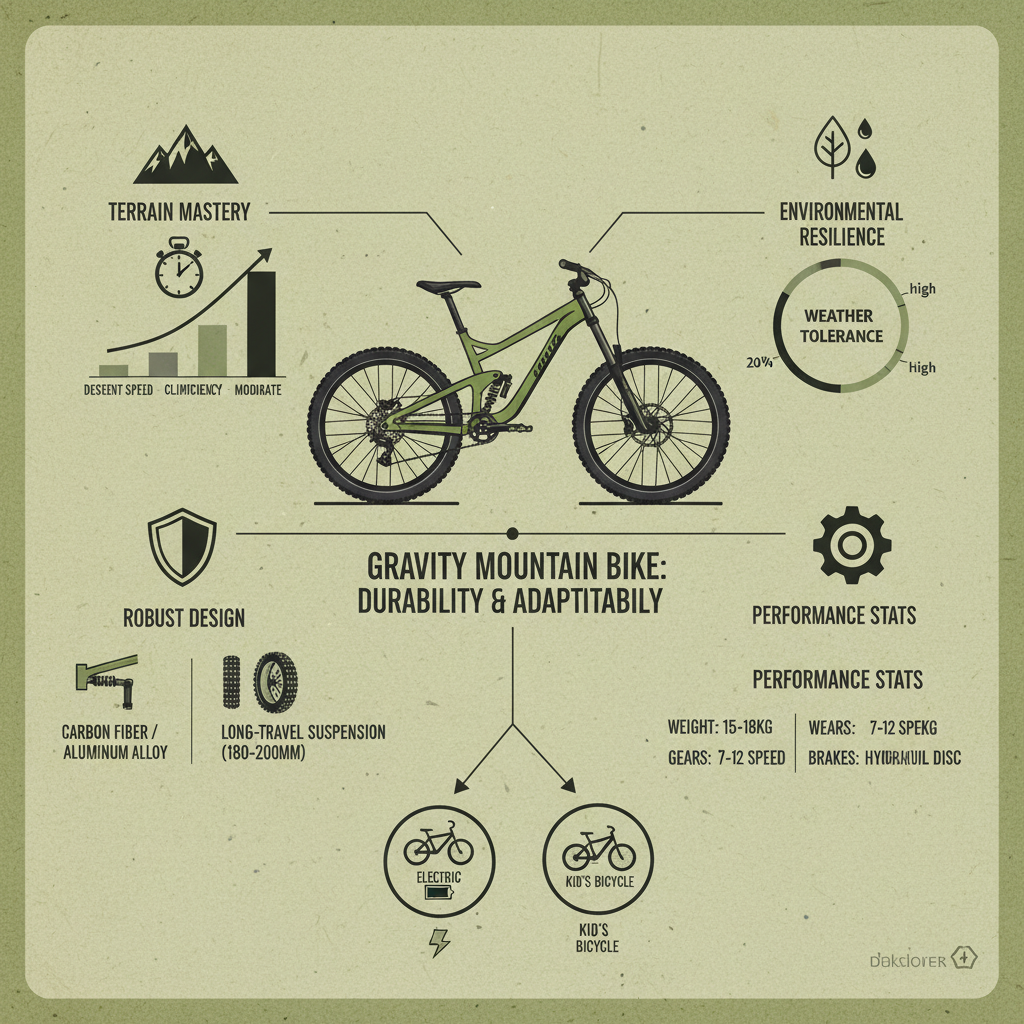
Several key components differentiate a gravity bike from other mountain bike types. These include: powerful hydraulic disc brakes (often with larger rotors), robust suspension systems (often with air springs and adjustable damping), durable wheels and tires (designed to withstand impacts), and a strong frame (typically made of aluminum or carbon fiber). The quality of these components directly impacts performance, durability, and safety. Investing in a gravity mountain bike from a reputable brand ensures you’re getting components that can handle the demands of the sport.
Comparing Popular Gravity Bike Models
Let's compare some popular models to illustrate key differences.
Maintaining Your Gravity Mountain Bike
Gravity bikes endure significant stress. Regular maintenance is crucial for performance and safety. This includes cleaning and lubricating the chain, checking brake function, inspecting suspension for leaks, and regularly tightening bolts. Professional servicing at least once a year is highly recommended. Proper maintenance extends the lifespan of your bike and ensures it's always ready for your next adventure. Investing in quality tools and learning basic maintenance skills can save you money and keep you riding confidently. You can find a wide range of accessories and maintenance information on Yanlinebike's website.
Conclusion: Find Your Perfect Descent
Choosing the right gravity mountain bike is an exciting journey. By understanding the different disciplines, key components, and maintenance requirements, you can confidently select a bike that matches your riding style and terrain.
Frequently Asked Questions (FAQs)
What is the ideal tire pressure for gravity mountain biking?
Tire pressure is crucial for grip and preventing pinch flats. Generally, lower pressures (around 20-25 PSI for the front, and 22-28 PSI for the rear, depending on rider weight and tire width) are preferred for better traction on technical terrain. Experiment to find what works best for your setup and riding style. Tubeless tires allow you to run even lower pressures without the risk of pinch flats. Always check the manufacturer’s recommended pressure range printed on the tire sidewall.
How important is suspension setup?
Extremely important! Proper suspension setup dramatically impacts control and comfort. It involves adjusting air pressure, rebound damping, and compression damping to match your weight, riding style, and the terrain. Too little sag (suspension compression when seated) will feel harsh, while too much will feel wallowy. Spend time experimenting and consult online resources or a bike shop for guidance. Getting your suspension dialed in makes a huge difference in your riding experience.
What protective gear is essential for gravity mountain biking?
Safety is paramount. Essential gear includes a full-face helmet, knee pads, elbow pads, gloves, and sturdy shoes. A back protector is highly recommended, especially for downhill and freeride. Wearing appropriate protective gear minimizes the risk of injury in the event of a crash. Consider a neck brace for added protection during extreme riding.
What should I look for when buying a used gravity mountain bike?
When buying used, carefully inspect the frame for cracks or dents, especially around welds. Check the condition of the suspension (fork and shock) for leaks or excessive wear. Examine the wheels for trueness and any damaged spokes. Test the brakes thoroughly. Ask about the bike's maintenance history and any previous repairs. Be prepared to invest in some maintenance or replacement parts.
-
The Ultimate Guide to Choosing a Perfect tandem mountain bike
NewsApr.16,2026
-
The Ultimate Guide to Choosing a Specialized Mountain Bike
NewsApr.09,2026
-
Choosing the Right Specialized Mountain Bike for Your Trail Adventures
NewsApr.07,2026
-
Choosing the Right Specialized Mountain Bike for Your Riding Adventures
NewsApr.04,2026
-
Ultimate Guide to Choosing the Best Mountain Bikes for Women Riders
NewsMar.31,2026
-
Comprehensive Guide to Choosing the Right Mountain Bike XC for Optimal Performance
NewsMar.28,2026
-
Comprehensive Mountain Bike Reviews for Finding Your Ideal Ride
NewsMar.26,2026