


Mar . 03, 2026 18:25 Back to list
Exploring the Differences Between Mountain Bike vs Road Bike for Optimal Riding
Mountain Bike vs Road Bike: Which Ride is Right for You?
Choosing between a mountain bike and a road bike can be daunting. Both offer unique experiences, but they cater to different riding styles and terrains. This guide breaks down the key differences, helping you select the perfect bike to match your needs and preferences. Whether you're looking for adrenaline-pumping trails or smooth, speedy pavement, we'll cover everything you need to know. Let's explore the features, benefits, and drawbacks of each type to help you make an informed decision.

Understanding the Core Differences
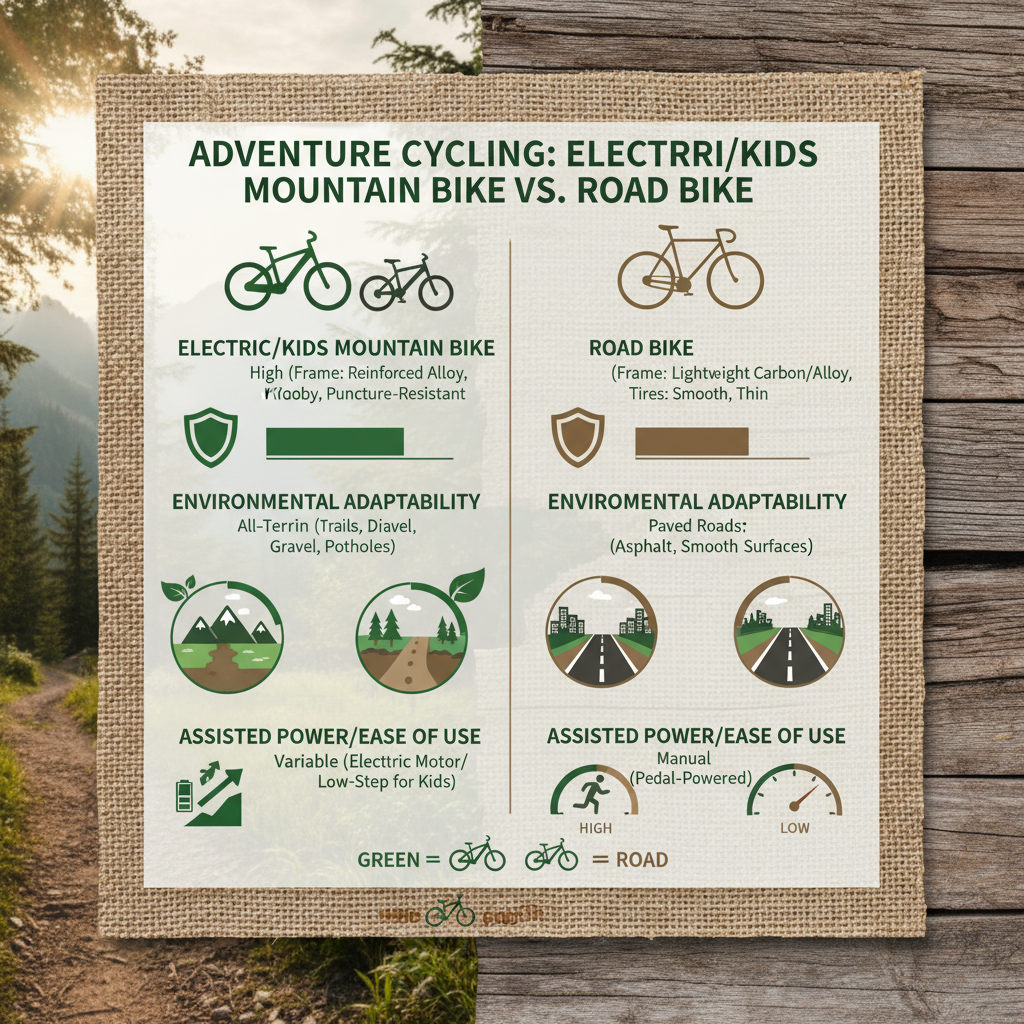
The primary distinction lies in their design and purpose. Road bikes are built for speed and efficiency on paved surfaces. They feature lightweight frames, drop handlebars, and narrow tires designed to minimize rolling resistance. Mountain bikes, on the other hand, are engineered for off-road adventures. They boast robust frames, suspension systems (front or full suspension), and wider, knobby tires for superior traction and control on rough terrain. The geometry of each bike also differs significantly. Road bikes prioritize an aerodynamic riding position, while mountain bikes emphasize stability and maneuverability. Selecting the right bike depends heavily on where you plan to ride the majority of the time.
Key Takeaway: Road bikes prioritize speed on pavement, while mountain bikes excel on rough, off-road trails.
Mountain Bike vs Road Bike: A Detailed Comparison
Let’s delve deeper into a comparison of key components. Suspension is a defining feature of mountain bikes. Front suspension absorbs bumps and vibrations, improving comfort and control. Full suspension bikes offer even greater control on challenging terrain. Road bikes generally lack suspension, relying on the frame material and tire pressure to absorb minor vibrations. Tires are another critical difference. Road bike tires are smooth and narrow, reducing rolling resistance for efficient speed. Mountain bike tires are wider, with aggressive treads that grip loose surfaces. The handlebars also contribute to the different riding experiences. Road bikes have drop handlebars, offering multiple hand positions for aerodynamics and comfort. Mountain bikes typically feature flat or riser handlebars for better control and stability. Finally, consider the gearing. Road bikes have a wider range of gears for tackling hills and maintaining speed on flat terrain. Mountain bikes often have lower gears for climbing steep, technical trails.
Key Differences at a Glance:
• Suspension: Mountain bikes have suspension, road bikes generally do not.
• Tires: Mountain bikes have wide, knobby tires; road bikes have narrow, smooth tires.
• Handlebars: Road bikes have drop handlebars; mountain bikes have flat or riser handlebars.
• Gearing: Road bikes have a wider gear range; mountain bikes have lower gears for climbing.
Mountain Bike vs Road Bike: A Side-by-Side Look
To further illustrate the differences, consider the following table. This provides a concise overview of key features for both bike types. Understanding these differences will aid in selecting the right bike for your intended riding style. Remember to consider your typical terrain and riding goals when making your decision. Yanlinebike.com offers a wide selection of both mountain and road bikes to suit any rider's needs.
Who Should Choose a Mountain Bike?
If you're an adventurous rider who loves exploring off-road trails, a mountain bike is the clear choice. These bikes are designed to handle challenging terrain, providing superior traction, control, and comfort. Mountain biking offers a thrilling experience, allowing you to tackle steep climbs, navigate rocky descents, and enjoy the beauty of nature. If you prioritize durability and the ability to ride on a variety of surfaces, a mountain bike is an excellent investment. Browse our selection of mountain bikes and find the perfect ride for your next adventure.
Who Should Choose a Road Bike?
If your passion lies in speed, efficiency, and long-distance rides on paved surfaces, a road bike is the ideal choice. Road bikes are engineered for performance, minimizing rolling resistance and maximizing power transfer. They're perfect for fitness enthusiasts, commuters, and anyone who enjoys the thrill of a fast, smooth ride. If you prioritize speed and efficiency over versatility, a road bike will deliver an unparalleled riding experience. Explore our range of road bikes at Yanlinebike.com and find the perfect bike to push your limits.
Conclusion: Choosing the Right Bike for Your Journey
Ultimately, the best bike for you depends on your individual needs and preferences. Consider where you plan to ride the majority of the time and what kind of riding experience you're seeking. Whether you choose a mountain bike or a road bike, investing in a quality bike from a reputable brand like Yanlinebike.com will ensure a safe, comfortable, and enjoyable ride.
Frequently Asked Questions (FAQs)
Can I use a road bike on gravel paths?
While a road bike can handle well-maintained gravel paths, it's not ideal. The narrow tires lack the grip and cushioning needed for rougher gravel. Riding a road bike on gravel increases the risk of punctures and loss of control. A gravel bike, a hybrid between a road and mountain bike, is a better option for mixed terrain. Alternatively, a mountain bike can easily handle gravel paths, but it won't be as efficient as a road bike on pavement.
What are the benefits of full suspension on a mountain bike?
Full suspension mountain bikes offer significant advantages on technical trails. They provide greater comfort and control by absorbing shocks from rocks, roots, and bumps. This allows you to maintain traction and speed, even on challenging terrain. Full suspension also reduces fatigue, allowing you to ride longer and harder. However, full suspension bikes are typically more expensive and require more maintenance than hardtail (front suspension only) mountain bikes.
How do I determine the right frame size?
Choosing the correct frame size is crucial for comfort and performance. Frame size is typically measured in inches or centimeters and corresponds to your height. Yanlinebike.com provides detailed sizing charts for all our bikes. It's always best to try out a bike before purchasing, if possible, or consult with a professional bike fitter to ensure a proper fit. An incorrect frame size can lead to discomfort, pain, and reduced efficiency.
Are carbon fiber bikes worth the investment?
Carbon fiber bikes are significantly lighter and stiffer than aluminum bikes, resulting in improved performance and efficiency. They also offer better vibration damping, providing a more comfortable ride. However, carbon fiber bikes are more expensive and can be more susceptible to damage from impacts. They are a good investment for serious cyclists who prioritize performance and weight savings.
-
The Ultimate Guide to Choosing a Perfect tandem mountain bike
NewsApr.16,2026
-
The Ultimate Guide to Choosing a Specialized Mountain Bike
NewsApr.09,2026
-
Choosing the Right Specialized Mountain Bike for Your Trail Adventures
NewsApr.07,2026
-
Choosing the Right Specialized Mountain Bike for Your Riding Adventures
NewsApr.04,2026
-
Ultimate Guide to Choosing the Best Mountain Bikes for Women Riders
NewsMar.31,2026
-
Comprehensive Guide to Choosing the Right Mountain Bike XC for Optimal Performance
NewsMar.28,2026
-
Comprehensive Mountain Bike Reviews for Finding Your Ideal Ride
NewsMar.26,2026