


Sep . 30, 2024 02:22 Back to list
Optimizing Your Car Budget for Better Financial Balance
Exploring the Balance of Car Ownership in Modern Society
In today's fast-paced world, owning a car is often seen as a symbol of success, freedom, and convenience. However, as urbanization and environmental concerns grow, the conversation around car ownership has shifted towards achieving a balance that meets both individual needs and societal goals. This article delves into the concept of “balance” in car ownership, considering its economic, environmental, and social implications.
Exploring the Balance of Car Ownership in Modern Society
From an environmental perspective, the balance of car ownership raises crucial questions. The transportation sector is a leading contributor to greenhouse gas emissions, primarily due to fossil fuel-powered vehicles. As awareness of climate change increases, many consumers are reconsidering the necessity of owning a car, particularly in densely populated cities. Electric vehicles (EVs) are presented as a solution; they offer a way to maintain the comforts of car ownership while minimizing environmental impact. However, the production of EVs also has environmental costs, including the sourcing of materials for batteries.
balance car
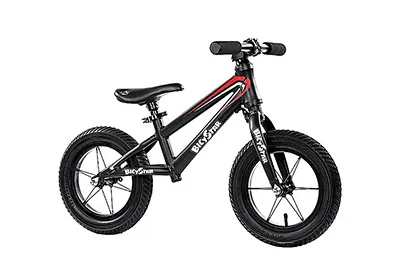
To achieve a true balance, cities must invest in comprehensive public transportation systems that complement sustainable car ownership. This could include expanding metro lines, creating dedicated bike lanes, and providing incentives for carpooling and ridesharing services. By improving public transport infrastructure, communities can encourage residents to reduce reliance on personal vehicles, thereby decreasing traffic congestion and lowering emissions.
On a social level, car ownership reflects personal identity and lifestyle choices. For some, a car is more than just a means of transportation; it is a statement of independence and personal style. However, the rise of shared mobility platforms, such as Zipcar and Turo, presents a compelling alternative. These services allow individuals to access vehicles only when needed, promoting a more resource-efficient model. This shift could lead to reduced car ownership levels overall, fostering a sense of community where shared resources are prioritized over individual possession.
Moreover, achieving balance in car ownership must include considerations of accessibility and equity. Not everyone has the same level of access to public transportation or the financial means to own a car. Policymakers must ensure that alternative transport options are affordable and accessible to all residents, especially in marginalized communities. Equity in transportation can drive broader social justice, as individuals with mobility options are more likely to access education, employment, and healthcare.
In conclusion, the balance of car ownership in modern society is a multifaceted issue requiring careful consideration of economic, environmental, and social factors. While cars offer undeniable benefits, it is crucial to recognize their associated costs and challenges. The future lies in an integrated approach that combines car ownership, public transport, and innovative mobility solutions, catering to personal needs while fostering a sustainable environment for all. As we navigate this complex landscape, it becomes increasingly important to promote a culture of responsible ownership and sharing, ensuring that transportation serves not just the individual, but society as a whole. Balancing personal vehicle use with broader community needs will ultimately lead us towards a more harmonious and sustainable future.
-
Childrens Mountain Bikes: Comparing 12, 16 and 20 Inch Children’s Bicycle Options
NewsNov.03,2026
-
Electric Bicycle FAQ: Specifications, Ordering & Support for the Tanke Series 48V20AH E-Bike
NewsOct.28,2026
-
The Ultimate Guide to Choosing the Perfect ebike commuter
NewsJul.01,2026
-
Best Electric Bikes for Seniors Guide to Mobility and Safety
NewsJun.29,2026
-
Ultimate Guide to Choosing the Best e bikes for seniors
NewsJun.27,2026
-
The Ultimate Guide to Choosing Your Best Electric Push Bike
NewsJun.26,2026
-
Complete Guide to e bike finance for High Performance Models
NewsJun.25,2026