


Oct . 12, 2024 18:26 Back to list
mountain bike weight
The Significance of Mountain Bike Weight
When it comes to mountain biking, one of the key factors that can greatly influence performance and overall enjoyment is the weight of the bike. Mountain bike enthusiasts often debate the merits of lighter versus heavier models, weighing their pros and cons to find the optimal balance for their riding style and terrain. Understanding the implications of a bike's weight can help riders make informed decisions about their equipment.
The Significance of Mountain Bike Weight
However, it's important to note that lighter doesn't always mean better. A bike's weight is just one aspect of its overall performance. Heavier bikes, although more cumbersome, often provide increased durability and stability. Models designed with robust frames and components can withstand rough conditions and provide a more forgiving ride when encountering obstacles. For riders who prioritize downhill performance or tackling rugged trails, the advantages of a slightly heavier bike may outweigh the benefits of a lighter model.
mountain bike weight
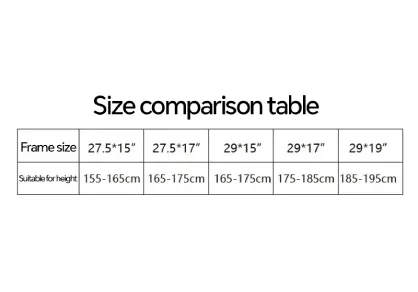
Another critical consideration is how weight interacts with different types of riding. Cross-country riders, for instance, may gravitate towards lighter bikes to maximize speed and efficiency over long distances. Conversely, enduro or downhill riders may prefer a heavier bike that offers greater control and strength when descending. Each type of riding demands specific traits from a bike, and weight plays an integral role in those performances.
Budget also comes into play when discussing mountain bike weight. High-quality materials that reduce weight, such as carbon fiber or specialized alloys, can be expensive. Riders often find themselves at a crossroads, balancing their desire for a lightweight bike against their budget limitations. Ultimately, the decision comes down to personal preference, riding style, and where they plan to ride.
In conclusion, while the weight of a mountain bike is an important consideration, it should not be viewed in isolation. Riders should assess their specific needs and preferences, taking into account the type of terrain they encounter, their riding style, and budget constraints. In the end, the best bike is the one that aligns with the rider’s goals, enhancing both performance and enjoyment on the trails.
-
Childrens Mountain Bikes: Comparing 12, 16 and 20 Inch Children’s Bicycle Options
NewsNov.03,2026
-
Electric Bicycle FAQ: Specifications, Ordering & Support for the Tanke Series 48V20AH E-Bike
NewsOct.28,2026
-
The Ultimate Guide to Choosing the Perfect ebike commuter
NewsJul.01,2026
-
Best Electric Bikes for Seniors Guide to Mobility and Safety
NewsJun.29,2026
-
Ultimate Guide to Choosing the Best e bikes for seniors
NewsJun.27,2026
-
The Ultimate Guide to Choosing Your Best Electric Push Bike
NewsJun.26,2026
-
Complete Guide to e bike finance for High Performance Models
NewsJun.25,2026