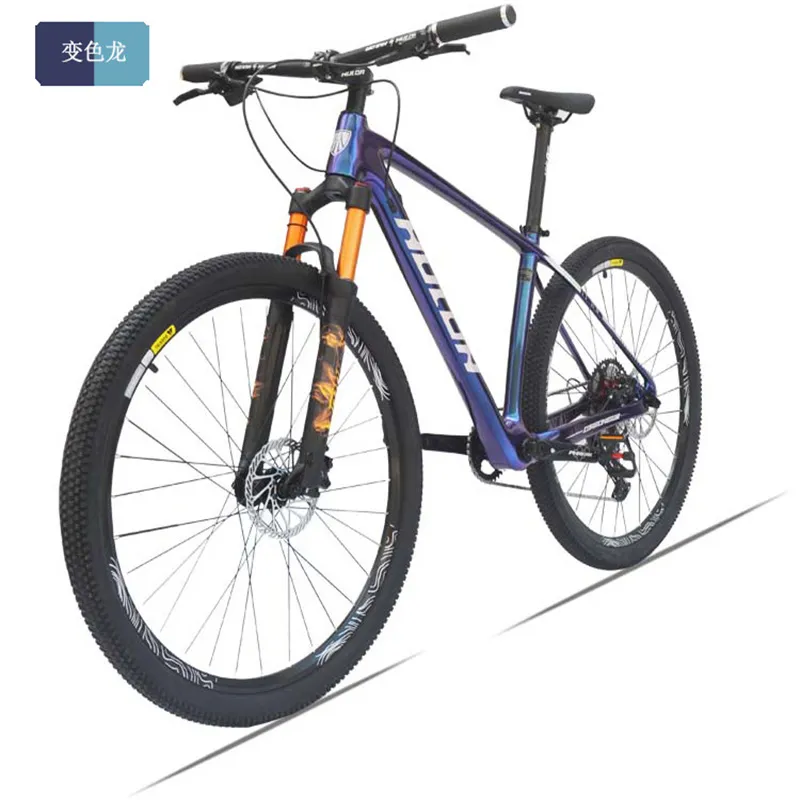
High-Performance carbon ebike Solutions for North Korea

Integrating advanced transportation technology with durable manufacturing to empower urban and rural mobility across the DPRK.

The State of Electric Mobility in North Korea

Analyzing the intersection of infrastructure and the rise of electric transport.

In the current industrial landscape of North Korea, there is a growing shift toward energy-efficient transportation due to fluctuations in fuel availability. The demand for an affordable electric bike has surged as citizens seek reliable alternatives for daily commuting and logistics in urban centers.

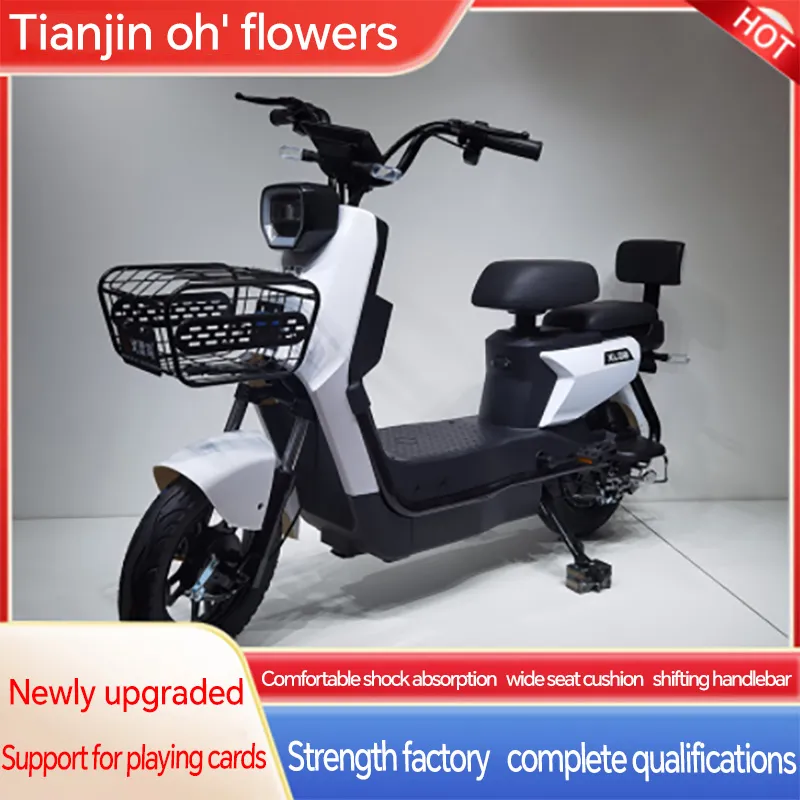
Geographically, the rugged terrain of the northern provinces requires vehicles with high torque and durability. This has created a niche for high-capacity motors, where the 5000w electric bike becomes a vital tool for transporting goods across hilly landscapes where traditional infrastructure is limited.

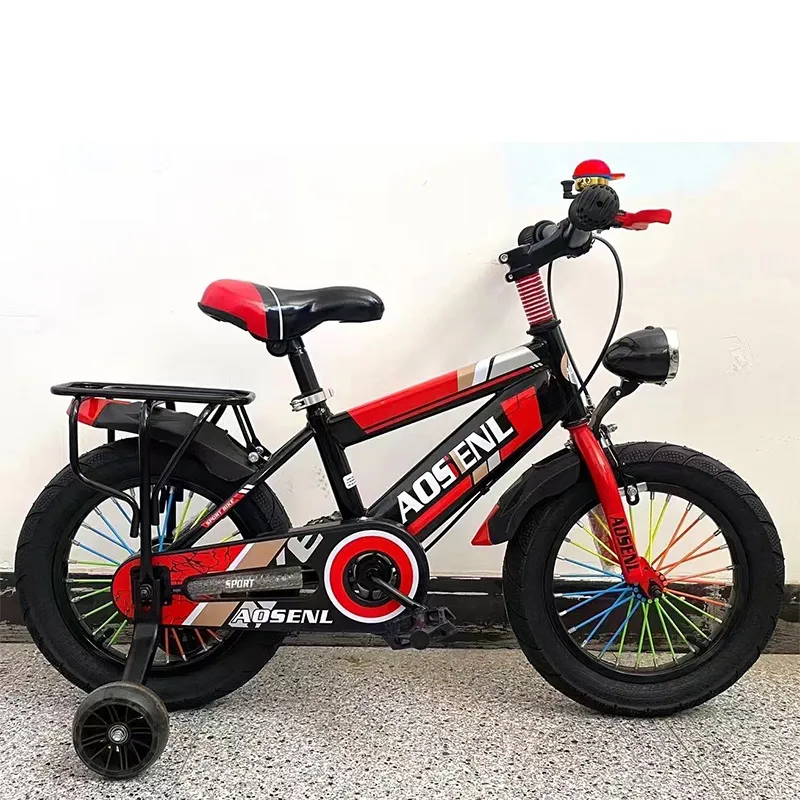
Simultaneously, the emerging middle class in the capital is showing interest in premium leisure and youth products. This shift is evident in the increasing search for quality children's electric car ride ons, blending educational play with an introduction to electric propulsion technology.
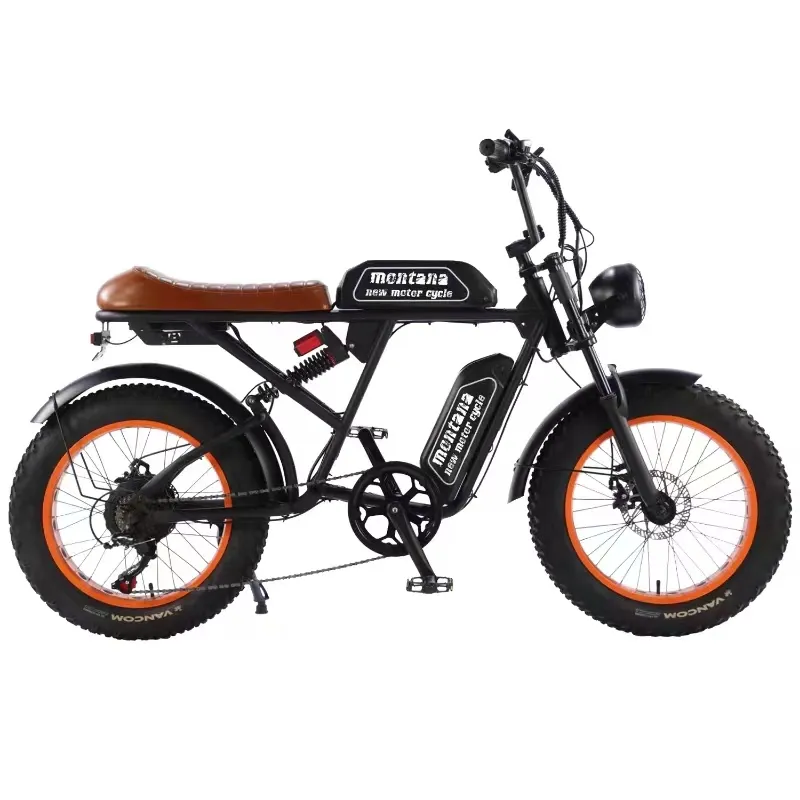
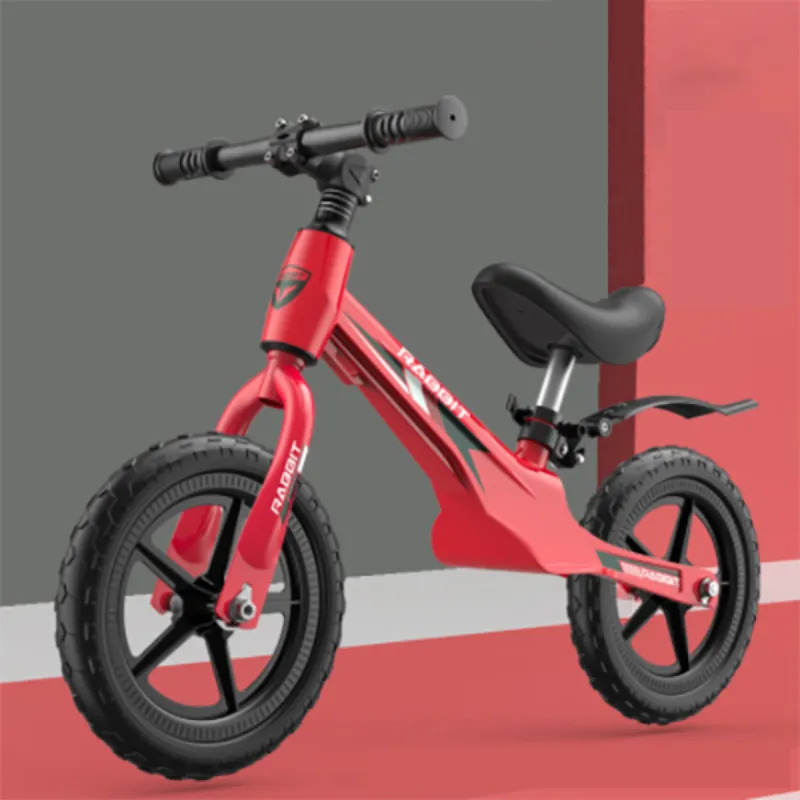
Evolution of Electric Transport Technology

From basic motorized frames to intelligent carbon fiber engineering.

Market Development History

Between 2000 and 2010, the market was dominated by lead-acid battery conversions and heavy steel frames, which were durable but inefficient for long-distance travel across the peninsula.

From 2011 to 2020, the transition to Lithium-ion technology allowed for lighter frames and increased range. This era saw the introduction of the electric car for kids as a luxury novelty item in urban toy markets.

Since 2021, the industry has pivoted toward aerospace-grade materials. The adoption of carbon fiber has revolutionized the weight-to-strength ratio, making high-end mobility accessible and efficient for the modern user.

Future Development Trends

Solid-State Battery Integration

Moving toward 2027, we expect a shift from liquid electrolytes to solid-state batteries, significantly increasing safety and charging speeds in cold climates.

Smart Grid Synchronization

Integration with localized smart grids will allow vehicles to act as mobile energy storage units, supporting the regional energy stability initiatives.

Ultra-Lightweight Composite Frames

The standard for premium transport will move entirely toward carbon-reinforced polymers to maximize the efficiency of high-wattage motors.

Industry Trends and Future Outlook

Strategic forecasting for the electric vehicle manufacturing sector.

Extreme Power Scaling
Increasing the adoption of 5000W+ systems for heavy-duty industrial hauling in rural sectors.
Material Innovation
Replacing aluminum with reinforced carbon composites to reduce energy consumption per kilometer.
Eco-System Integration
Development of universal charging ports to standardize electric transport across different brands.
Youth Mobility Education
Expanding the ride-on market to include safety-first electric trainers for early childhood.

Industry Outlook

Based on regional growth patterns, we predict that electric mobility will transition from a luxury to a primary necessity. The integration of high-wattage motors will solve the last-mile delivery crisis in mountainous terrains.

Furthermore, the demand for carbon-based frames will rise as energy efficiency becomes the primary KPI for government-led transportation initiatives in North Korea.

Localized Application Scenarios

Practical implementations of electric transport in the North Korean context.

1. Urban Commuting in Pyongyang

Utilizing an affordable electric bike to navigate the wide boulevards and narrow side streets, reducing dependence on public transit during peak hours.

2. Rural Agricultural Logistics

Deploying the 5000w electric bike for hauling crops and supplies across uneven farmland where traditional trucks cannot enter.

3. Luxury Gifting for Urban Youth

The use of high-quality electric car for kids as premium gifts, promoting motor skills and technical curiosity in a controlled environment.

4. High-Efficiency Courier Services

Implementation of the carbon ebike for rapid document and small package delivery, maximizing speed and minimizing fatigue for couriers.

5. Recreational Play-Zones

Establishing dedicated community areas for children's electric car ride ons, creating safe spaces for interactive childhood development.

Brand Story

Global Development History of Xingtai Yanlin Import and Export Trade Co., Ltd.

Founding Vision

Established with the goal of bridging the gap between industrial manufacturing and end-user mobility, focusing on durability and energy efficiency.

Technical Breakthroughs

Pioneered the integration of high-wattage motors into lightweight frames, solving the paradox of power versus portability.

Global Expansion

Expanded operations to Asia, tailoring product specifications to meet the unique geographic and economic needs of different regions.

Material Mastery

Invested heavily in carbon fiber research to create frames that are not only lighter but virtually indestructible under extreme stress.

Sustainability Commitment

Dedicated to reducing the global carbon footprint by providing affordable, high-performance electric alternatives to internal combustion engines.

Regional FAQ for Electric Mobility

Answers to the most common technical and commercial queries.

How do I choose an affordable electric bike for hilly terrain?

For hilly regions, focus on the motor wattage and torque. We recommend models with at least 750W or higher to ensure consistent climbing power without overheating the battery.

What are the benefits of a carbon ebike over aluminum?

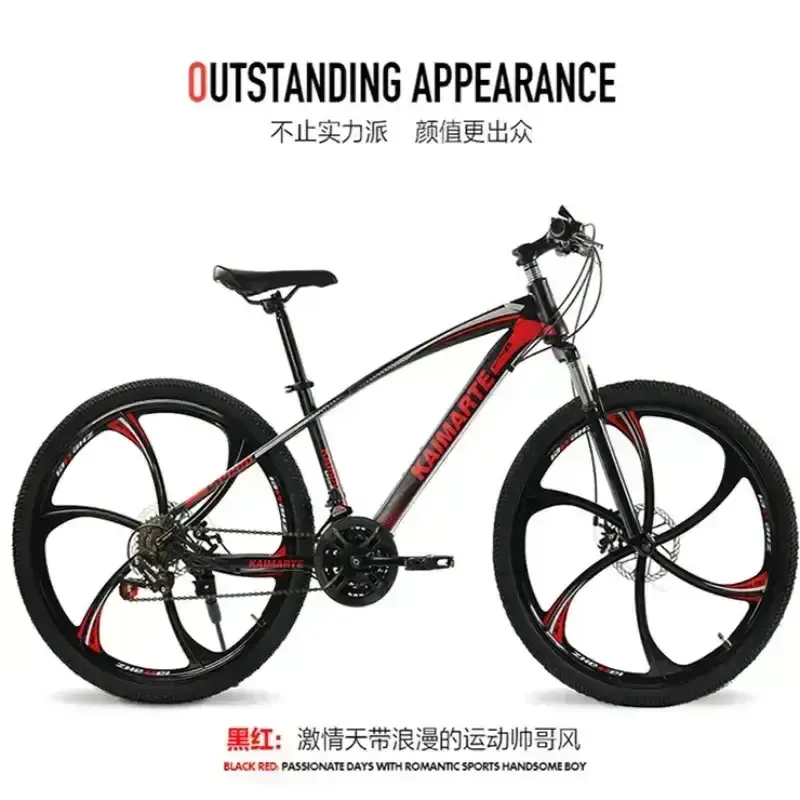
Carbon fiber offers superior vibration dampening and a significantly lower weight, which extends battery life and reduces rider fatigue during long commutes.

Is a 5000w electric bike suitable for daily urban use?

While extremely powerful, 5000W bikes are best for cargo transport or steep terrains. For urban use, we suggest using the limited speed mode for safety and efficiency.

Are children's electric car ride ons safe for toddlers?

Yes, our ride-ons include speed limiters and parental remote controls to ensure the child operates the vehicle within a safe velocity.

How long does the battery last on an electric car for kids?

Depending on the usage and terrain, most of our children's models provide 2-4 hours of continuous play on a single full charge.

What maintenance is required for high-power electric bikes?

Regular checks on brake pads, tire pressure, and battery terminal cleaning are essential to maintain the performance of high-wattage systems.

Get in Touch with Our Experts

Ready to upgrade your transport infrastructure in North Korea? Contact our technical team for customized B2B solutions.

Contact Us Now

If you are interested in our products, you can choose to leave your information here, and we will be in touch with you shortly.