

Oct . 10, 2024 16:30 Back to list
Choosing the Right Front Derailleur for Your Mountain Bike Adventure
A Guide to Front Derailleurs for Mountain Bikes
When it comes to optimizing the performance of a mountain bike, the front derailleur plays a crucial role. This component is responsible for shifting the chain between different chainrings on the crankset, enabling riders to change gears effectively. Understanding the function, types, and maintenance of front derailleurs can significantly enhance your cycling experience.
What is a Front Derailleur?
The front derailleur is a mechanical device located near the chainrings of a mountain bike’s crankset. It consists of a cage that moves the chain from one chainring to another, which allows for smoother transitions between gears. This is especially important in mountain biking, where terrain varies from steep climbs to rapid descents, and adaptability is key.
Types of Front Derailleurs
Front derailleurs come in various designs, catering to different gear systems and riding styles. The two primary types are
1. Top Pull Derailleurs These are the most common type on modern mountain bikes. They pull the chain upwards from below the chainring. Top pull derailleurs are typically easier to install and service and are suitable for a wide range of bike frames.
2. Bottom Pull Derailleurs As the name suggests, these pull the chain downwards from above the chainring. They are more common in older mountain bikes and certain bike designs that require specific cable routing.
Additionally, front derailleurs can be designed for single, double, or triple chainring setups. Single-ring setups are becoming more popular due to their simplicity and weight savings, while double and triple setups provide a broader gear range for varied terrain.
Installation and Adjustment
Proper installation and adjustment of a front derailleur are crucial for optimal performance. Here are the key steps
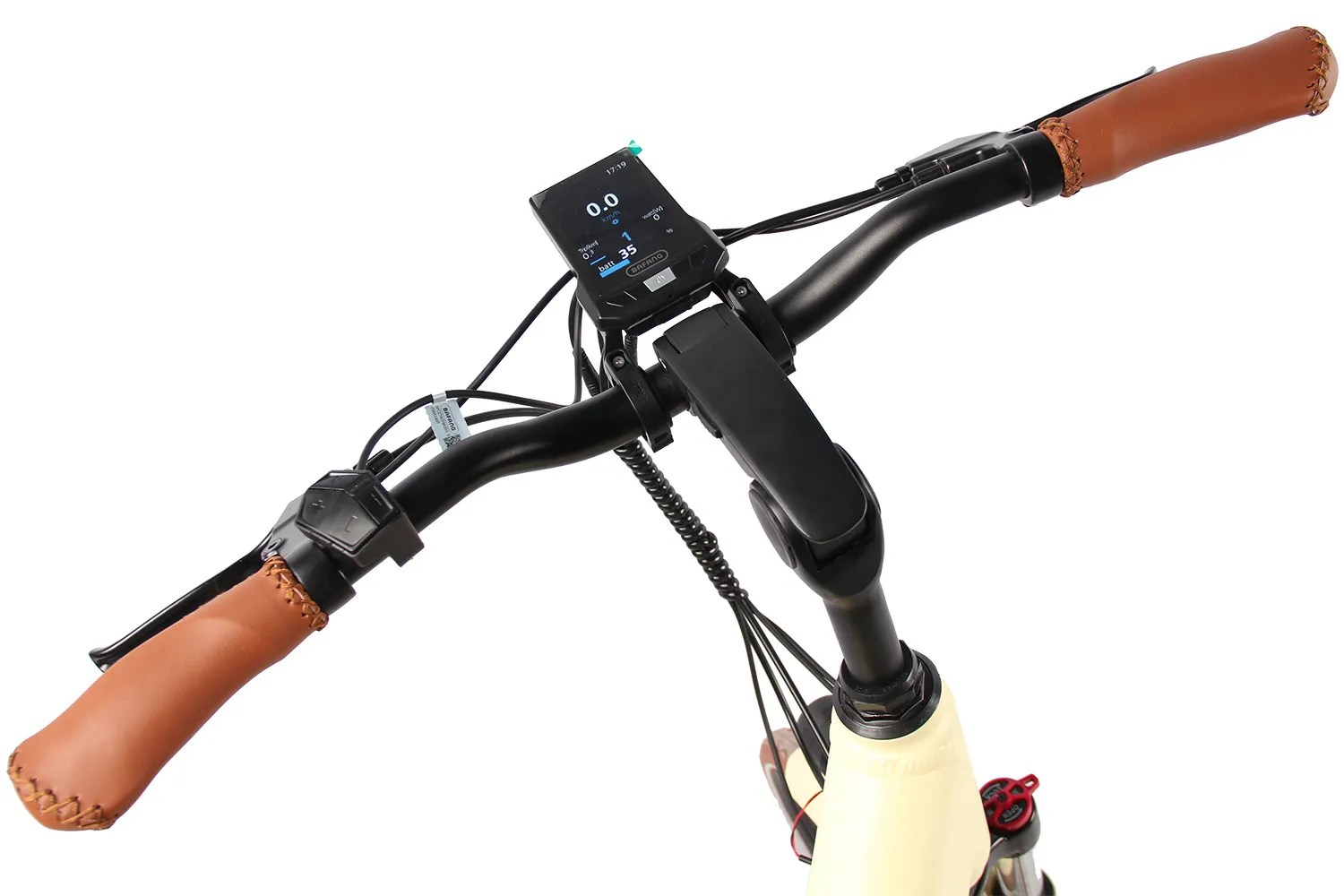
front derailleur for mountain bike
1. Positioning The derailleur should be aligned parallel to the chainrings and positioned 1-3mm above the largest chainring.
2. Cable Tension The cable tension needs to be adjusted to allow for smooth shifting. Too much tension can cause the derailleur to shift unexpectedly, while too little can result in sluggish or missed shifts.
3. Limit Screws Each derailleur has limit screws that control how far the derailleur can move. Adjusting the high limit screw ensures the chain doesn’t fall off the outer chainring, while the low limit screw keeps the chain secure on the inner chainring.
Maintenance Tips
Regular maintenance of your front derailleur will prolong its lifespan and performance. Here are some tips
- Clean Regularly Dirt and debris can affect shifting performance. Regularly clean the derailleur and the surrounding areas to prevent buildup.
- Lubricate Apply a suitable lubricant to the pivot points to ensure smooth operation.
- Check Alignment Periodically check the alignment of the derailleur, especially after crashing or significant impacts.
Conclusion
The front derailleur may seem like a small component of a mountain bike, but it plays a vital role in ensuring smooth gear transitions and enhancing overall riding performance. By understanding its types, installation, adjustment, and maintenance, riders can make informed choices that improve their cycling experience on varying terrains. Whether you are a weekend warrior or a seasoned professional, the right front derailleur can make all the difference on your mountain biking adventures.
-
Childrens Mountain Bikes: Comparing 12, 16 and 20 Inch Children’s Bicycle Options
NewsNov.03,2026
-
Electric Bicycle FAQ: Specifications, Ordering & Support for the Tanke Series 48V20AH E-Bike
NewsOct.28,2026
-
The Ultimate Guide to Choosing the Perfect ebike commuter
NewsJul.01,2026
-
Best Electric Bikes for Seniors Guide to Mobility and Safety
NewsJun.29,2026
-
Ultimate Guide to Choosing the Best e bikes for seniors
NewsJun.27,2026
-
The Ultimate Guide to Choosing Your Best Electric Push Bike
NewsJun.26,2026
-
Complete Guide to e bike finance for High Performance Models
NewsJun.25,2026