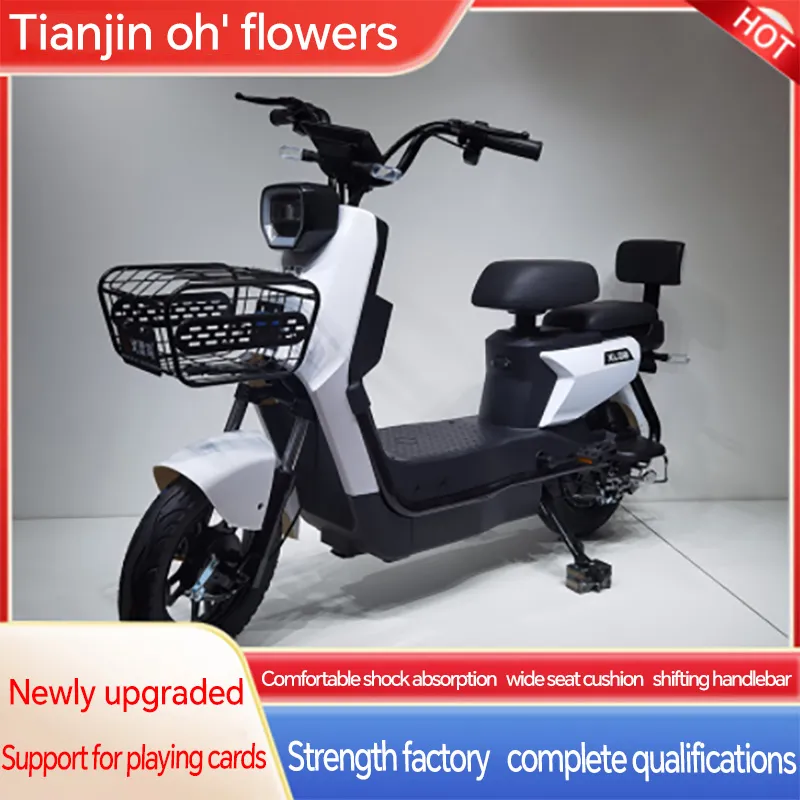
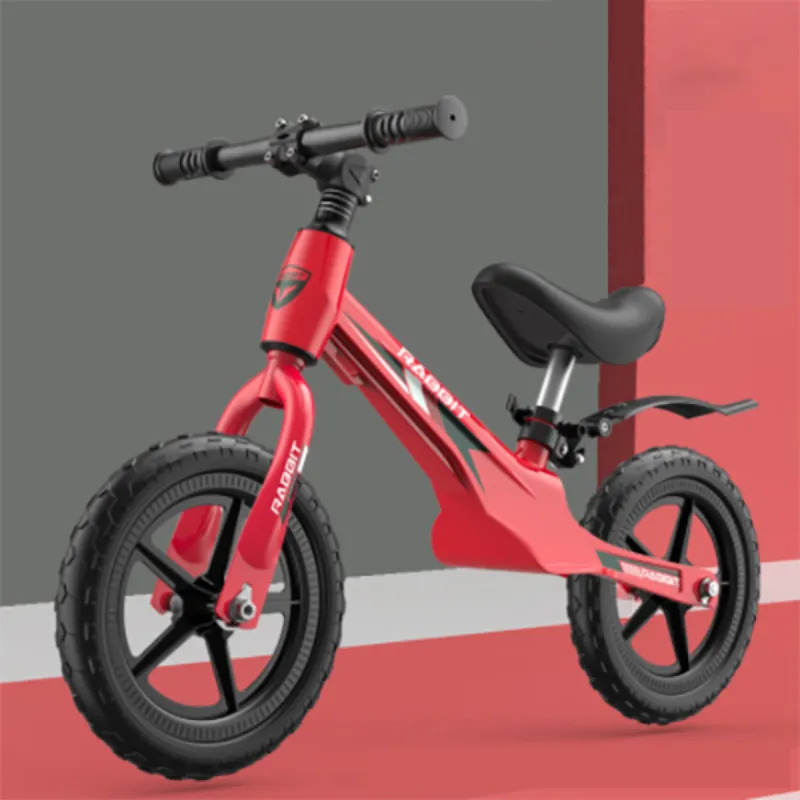
Advanced Mobility Solutions for Zambia: The carbon ebike Revolution

Empowering Zambian commutes and childhood joy with high-performance, sustainable electric transportation tailored for African terrains.

Advanced Mobility Solutions for Zambia: The carbon ebike Revolution

From high-torque industrial commuters to premium leisure rides, we provide the most durable electric vehicle components and complete units optimized for Zambia's unique infrastructure.

Zambia's Current E-Mobility Landscape

Analyzing the transition from internal combustion to electric propulsion in Lusaka and beyond.

In Zambia, the transport sector is currently navigating a critical transition. Due to the fluctuating costs of fuel and the prevalence of unpaved roads in rural provinces, there is a surging demand for an affordable electric bike that can handle rugged terrains while reducing daily operational costs for the working class.

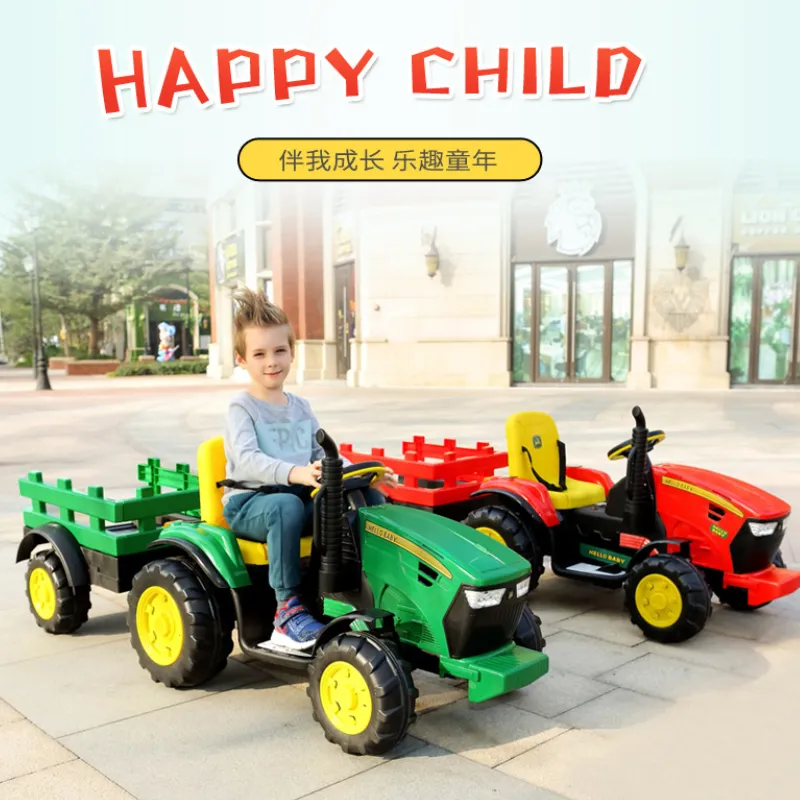
The urban centers, particularly Lusaka and Kitwe, are seeing a rise in luxury recreational imports. Parents are increasingly seeking children's electric car ride ons as status symbols and developmental toys, though the market is currently flooded with low-durability plastics that cannot withstand the intense Zambian sun.

Furthermore, the industrial sector is exploring high-power alternatives for last-mile delivery. The introduction of the 5000w electric bike is beginning to replace small motorcycles, offering the necessary torque for transporting goods across varied elevations without the noise and pollution of traditional engines.
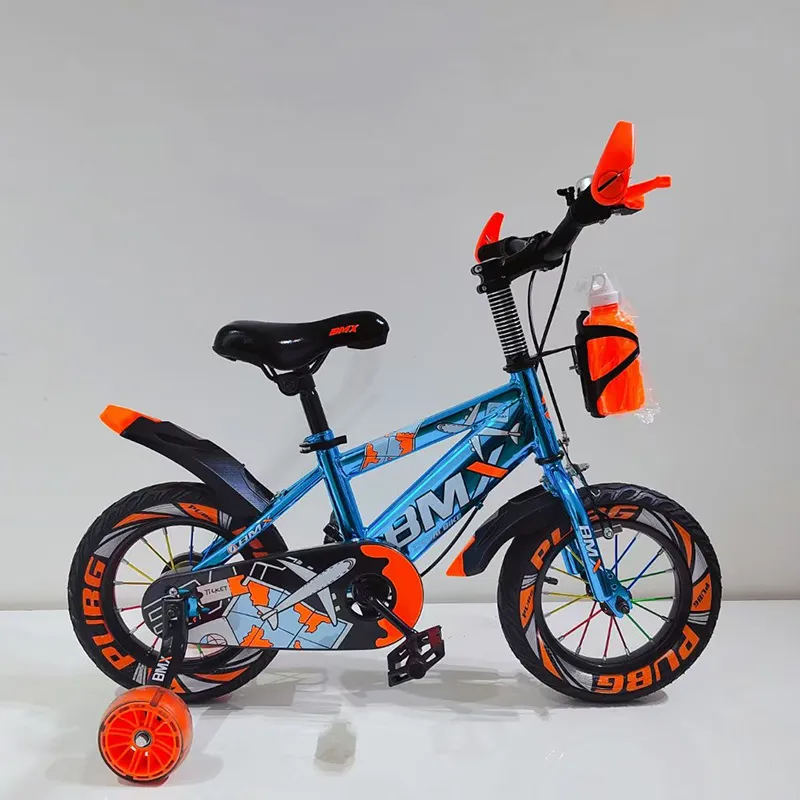
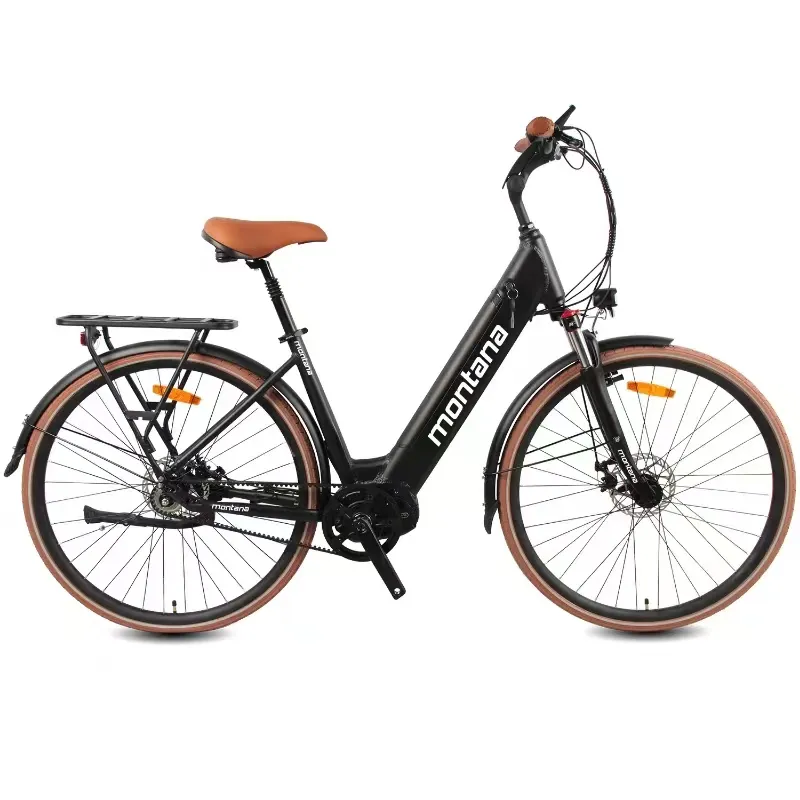
Evolution of Electric Transport in Zambia

From basic battery-assisted cycles to aerospace-grade carbon frames.

Market Development History

Between 2010 and 2015, the market was dominated by basic lead-acid battery bicycles. These early models lacked the power for Zambia's hilly regions and suffered from short lifespans due to high ambient temperatures affecting battery chemistry.

From 2016 to 2021, the "Lithium Shift" occurred. The arrival of more efficient BMS (Battery Management Systems) allowed for the popularization of the electric car for kids and mid-range ebikes, providing better range and faster charging times tailored for urban environments.

Since 2022, we have entered the "Performance Era." The focus has shifted toward material science and extreme power, where carbon fiber frames and high-wattage motors are now being imported to meet the needs of professional riders and high-end consumers.

Future Development Trends

Solar-Integrated Charging

Given Zambia's abundant sunlight, the next 3 years will see a shift toward bikes with integrated solar panels to reduce reliance on the national grid.

Ultra-Lightweight Materials

The transition from aluminum to carbon fiber will accelerate, making high-end frames the standard for reducing fatigue on long-distance rural commutes.

Smart-Grid Connectivity

Integration of IoT for fleet management will allow Zambian businesses to track their delivery bikes in real-time, optimizing routes across the Copperbelt.

Industry Trends & Future Outlook

Strategic projections for the Zambian electric vehicle manufacturing sector.

High-Torque Adoption
Increasing demand for 5000W+ systems to navigate the undulating terrain of the Zambian highlands.
Carbon Integration
Shift towards carbon-fiber frames to enhance durability against corrosion and reduce weight for efficiency.
Youth Market Growth
Rising middle-class demand for premium, safe, and educational electric ride-ons for children.
Affordability Scaling
Implementation of modular designs to keep costs low while maintaining industrial-grade reliability.

Industry Outlook

According to search trend data and regional import logs, Zambia is poised to become a hub for e-mobility in Southern Africa. The synergy between mining-led economic growth and urban expansion is creating a perfect environment for the adoption of high-performance electric transport.

We predict that within 5 years, the "last-mile" delivery infrastructure in Lusaka will be 60% electrified, driven by the efficiency of high-wattage ebikes and a national push towards green energy initiatives.

Localized Application Scenarios in Zambia

Real-world use cases for our electric mobility range.

1. Urban Delivery in Lusaka

Courier services utilize the 5000w electric bike to navigate heavy city traffic and deliver packages efficiently across the central business district.

2. Rural Community Commuting

Farmers and students rely on the affordable electric bike to traverse unpaved roads between villages and markets, reducing dependence on expensive petrol.

3. Luxury Gifting in Kitwe

High-net-worth families choose the electric car for kids as a premium birthday gift, valuing the safety and durability of our reinforced chassis.

4. Eco-Tourism Exploration

Tour operators at lodge sites implement the carbon ebike for silent, low-impact wildlife viewing tours that do not disturb the natural environment.

5. Safe Play-Zones for Children

Residential complexes and gated communities use children's electric car ride ons to create controlled, safe motorized play areas for toddlers.

Brand Story

Global Development Process of Xingtai Yanlin Import and Export Trade Co., Ltd.

Industrial Roots

Founded on the principles of precision engineering, we began by solving the durability gap in basic transport equipment for emerging markets.

Technical Pivot

Recognizing the global shift toward sustainability, we invested heavily in R&D for lithium-ion integration and high-wattage motor efficiency.

Material Breakthrough

We pioneered the use of aerospace-grade carbon fiber in commuter bikes, solving the weight-to-strength ratio problem for rugged terrains.

African Expansion

We tailored our product line specifically for the Zambian and regional markets, focusing on heat-resistant batteries and high-torque motors.

Future Vision

Our mission is to eliminate transport poverty by providing high-performance, affordable electric mobility to every corner of the globe.

Zambia E-Mobility FAQ

Expert answers to common questions about electric transport in the region.

How does a 5000w electric bike handle Zambian rural roads?

The high torque of a 5000W system allows the bike to maintain speed on sandy or muddy terrain where lower-wattage motors often stall.

Are carbon ebikes durable enough for daily use in Africa?

Yes, carbon fiber is highly resistant to corrosion and offers a superior strength-to-weight ratio compared to aluminum, making it ideal for harsh climates.

What makes an affordable electric bike "industry grade"?

It means using reinforced alloys and weather-sealed electronics that maintain performance despite dust and humidity, without inflating the price.

Are children's electric car ride ons safe for toddlers?

Our ride-ons include speed limiters and soft-start technology to ensure a smooth and safe experience for the youngest riders.

Can I charge an electric car for kids using a standard Zambian outlet?

Yes, our chargers are designed with wide-voltage compatibility to handle the typical electrical standards found in Zambian homes.

What is the expected lifespan of e-bike batteries in hot climates?

With our advanced thermal management systems, batteries maintain 80% capacity for over 1000 charge cycles, even in high temperatures.

Ready to Electrify Your Transport?

Partner with the leading experts in e-mobility to bring world-class electric vehicles to Zambia.

Contact Us Now

If you are interested in our products, you can choose to leave your information here, and we will be in touch with you shortly.