


Mar . 08, 2026 02:05 Back to list
Choosing the Right 24 Inch Mountain Bikes for Young Riders and Smaller Statures
Choosing the Right 24 Inch Mountain Bike: A Comprehensive Guide
Selecting the perfect 24 inch mountain bike can be an exciting but overwhelming process. Designed for younger riders or those with a smaller stature, these bikes offer a fantastic entry point into the world of off-road cycling. This guide will walk you through everything you need to know, from understanding the different types of 24-inch mountain bikes to key features and considerations before you buy. We’ll help you find a bike that provides a safe, comfortable, and exhilarating riding experience.
Understanding the Different Types of 24 Inch Mountain Bikes
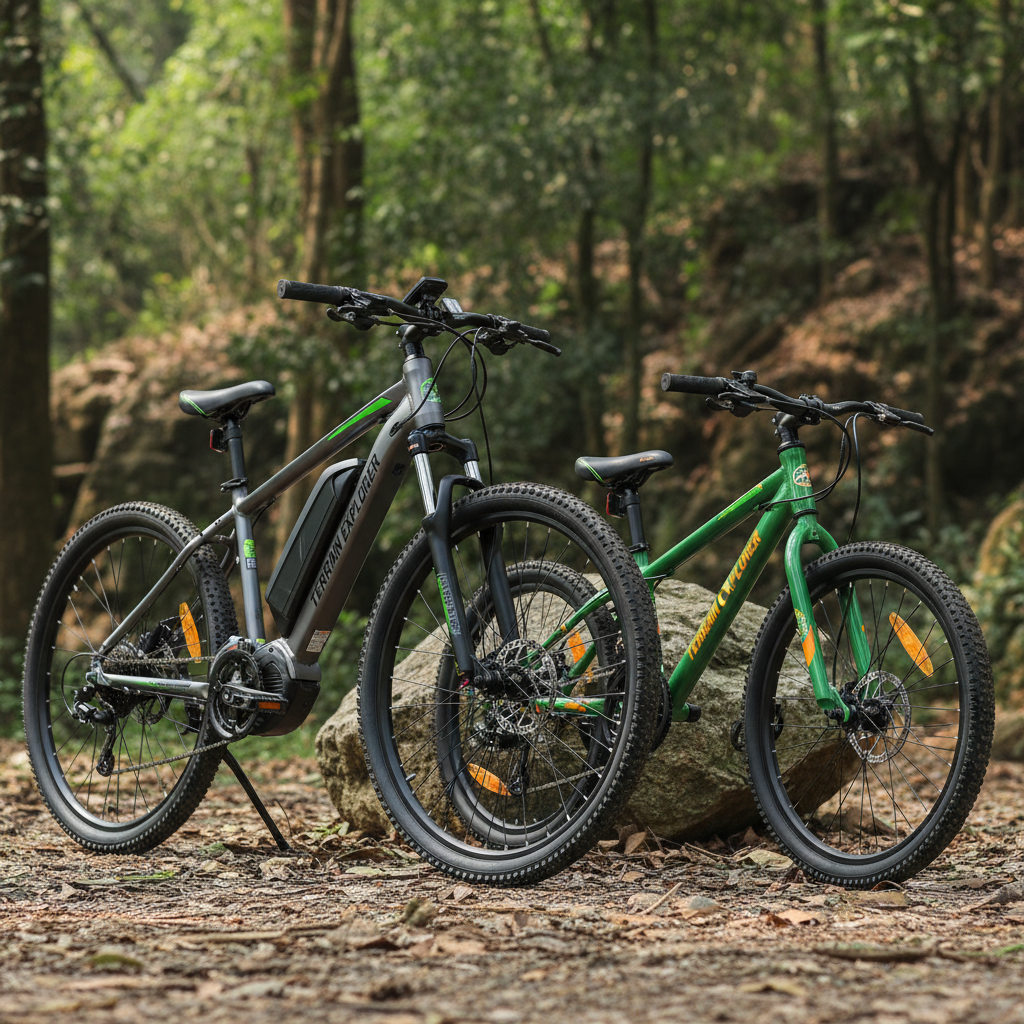
24-inch mountain bikes aren't one-size-fits-all. Different types cater to varying riding styles and terrains. Hardtail mountain bikes are the most common, featuring front suspension to absorb bumps while the rear remains rigid. They're great for beginners and general trail riding. Full suspension mountain bikes, with both front and rear suspension, provide a smoother ride and greater control on rough terrain, but are typically more expensive. Consider where your young rider will be spending most of their time – smoother trails are perfect for hardtails, while rockier, more demanding terrain might benefit from full suspension. There are also bikes designed for specific disciplines like cross-country or downhill, but these are less common in the 24-inch wheel size.
Key Features to Look for in a 24 Inch Mountain Bike
Beyond the suspension type, several features are crucial. Frame material is a big factor; aluminum frames are lightweight and durable, while steel frames are more affordable but heavier. Brakes are critical for safety – disc brakes offer superior stopping power, especially in wet conditions, compared to V-brakes. Gearing should be appropriate for the rider's skill level and the terrain they'll be tackling. A wider range of gears provides more versatility. Finally, tire tread impacts grip and rolling resistance – knobby tires are ideal for off-road traction, while smoother tires roll faster on pavement.
Key Highlights: Look for a lightweight aluminum frame, reliable disc brakes, appropriate gearing for the terrain, and knobby tires for good grip.
24 Inch Mountain Bike Components: A Closer Look
Understanding the components can help you make a more informed decision. The fork is the front suspension, and its travel (the amount it compresses) affects how well it absorbs bumps. A wider range of travel is better for rougher terrain. The crankset and chainring affect pedaling efficiency, and choosing the right size can make a big difference for smaller riders. Shifters control the gears, and simpler shifters are easier for beginners to use. The saddle should be comfortable and properly sized for the rider. Check out Yanline Bike for a great selection of 24-inch mountain bikes and components.
Component Considerations:
• Fork travel impacts bump absorption.
• Crankset and chainring size affect pedaling efficiency.
• Simpler shifters are easier for beginners.
• Comfortable saddle is essential.
Comparing Popular 24 Inch Mountain Bike Models
Let’s compare a few popular models to illustrate the differences. This table provides a quick overview of some key specs. Note that prices can vary depending on retailer and promotions.
Sizing and Fit: Ensuring a Comfortable Ride
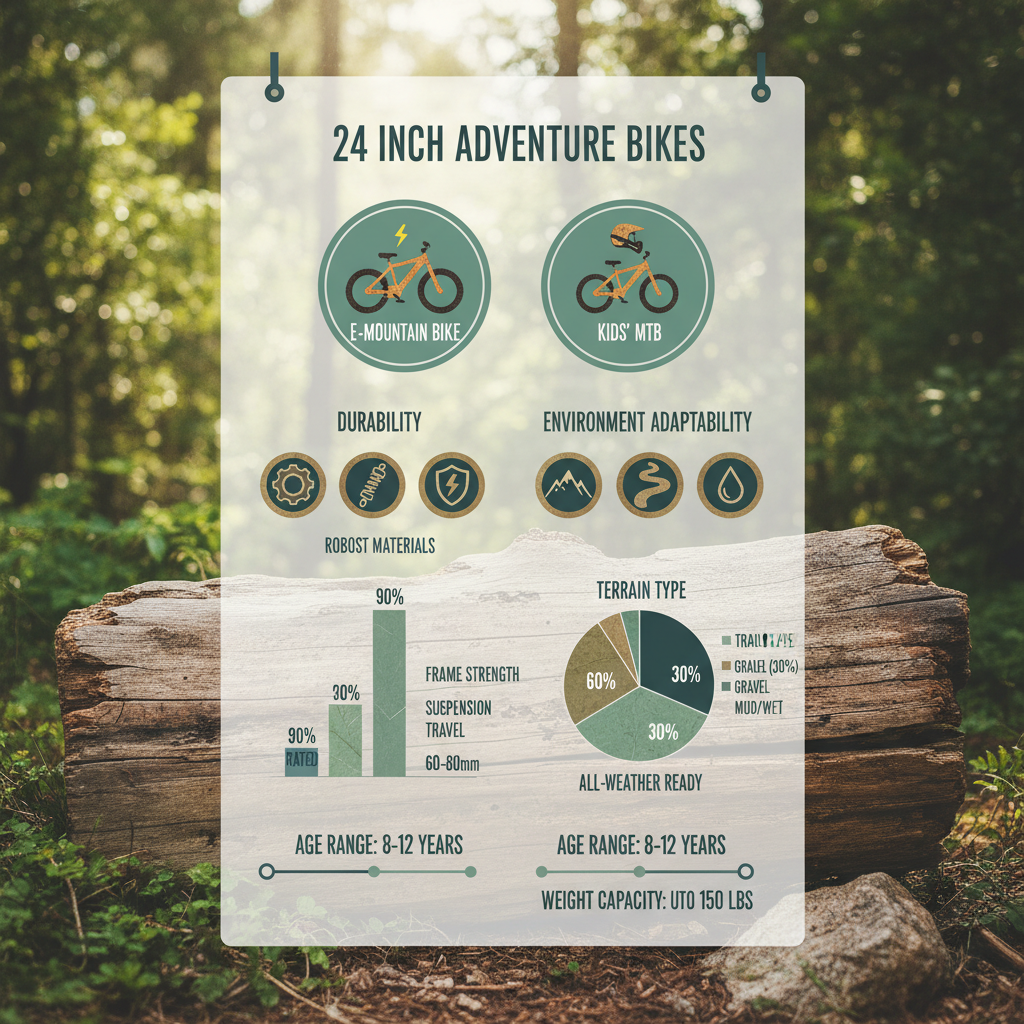
Proper fit is paramount for safety and comfort. Generally, a 24-inch bike is suitable for children between the ages of 8 and 12, or with a height of 52-60 inches. However, inseam length is a more accurate indicator. The rider should be able to stand over the bike with a few inches of clearance. Adjusting the seat height so the knee is slightly bent at the bottom of the pedal stroke is crucial. It’s always best to have the bike professionally fitted by a qualified mechanic.
Conclusion: Finding the Perfect 24 Inch Mountain Bike
Choosing a 24 inch mountain bike involves considering the rider's skill level, intended use, and physical size. By understanding the different types of bikes, key features, and proper fit, you can make an informed decision and provide a safe and enjoyable cycling experience. Don't hesitate to visit Yanline Bike for a wide selection of high-quality 24-inch mountain bikes and expert advice.
Frequently Asked Questions (FAQs)
What is the ideal tire pressure for a 24-inch mountain bike?
The ideal tire pressure depends on the rider's weight, tire width, and the terrain. Generally, a lower pressure (around 20-25 PSI) provides better traction on loose surfaces, while a higher pressure (around 30-35 PSI) rolls faster on hardpack or pavement. It's best to start with the pressure recommended on the tire sidewall and adjust based on preference and riding conditions. Checking tire pressure before each ride is crucial for safety and performance.
How often should I service a 24-inch mountain bike?
Regular maintenance is key to keeping your bike in good working order. A basic tune-up, including brake adjustments, gear shifting checks, and chain lubrication, should be performed every 3-6 months, or more frequently if the bike is ridden regularly in harsh conditions. A more thorough service, including wheel truing and bearing checks, should be done annually. It’s recommended to take the bike to a qualified mechanic for servicing.
What safety gear is essential for a young mountain biker?
A helmet is the most important piece of safety gear. It should fit snugly and meet safety standards. Gloves provide grip and protect hands in a fall. Knee and elbow pads are recommended, especially for more aggressive riding. Brightly colored clothing increases visibility. Consider a mouthguard for added protection. Always emphasize the importance of safe riding practices.
-
The Ultimate Guide to Choosing a Perfect tandem mountain bike
NewsApr.16,2026
-
The Ultimate Guide to Choosing a Specialized Mountain Bike
NewsApr.09,2026
-
Choosing the Right Specialized Mountain Bike for Your Trail Adventures
NewsApr.07,2026
-
Choosing the Right Specialized Mountain Bike for Your Riding Adventures
NewsApr.04,2026
-
Ultimate Guide to Choosing the Best Mountain Bikes for Women Riders
NewsMar.31,2026
-
Comprehensive Guide to Choosing the Right Mountain Bike XC for Optimal Performance
NewsMar.28,2026
-
Comprehensive Mountain Bike Reviews for Finding Your Ideal Ride
NewsMar.26,2026