


Apr . 16, 2026 02:05 Back to list
The Ultimate Guide to Choosing a Perfect tandem mountain bike
The Ultimate Guide to Choosing the Perfect Tandem Mountain Bike
Exploring the great outdoors is always better with a companion, and nothing brings two riders together quite like a tandem mountain bike. Whether you are a couple looking for a unique way to bond or a parent introducing a child to the thrills of off-road cycling, these specialized bicycles offer a blend of teamwork and adventure. Unlike standard bikes, a tandem mountain bike requires specific engineering to handle the weight of two riders while maintaining stability on rugged terrain. In this comprehensive guide, we will explore everything from technical specifications to riding tips to help you find the ideal ride for your next trail adventure.
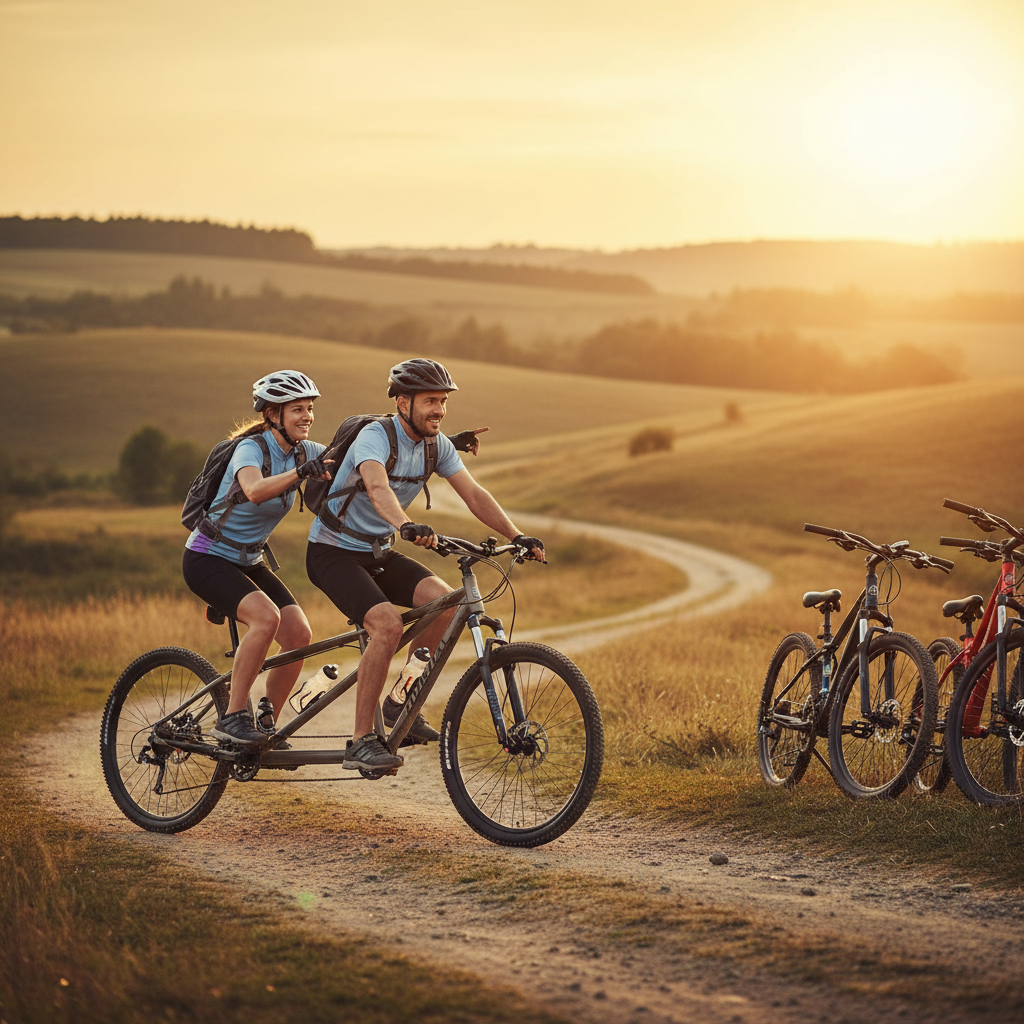
Key Benefits of Riding a Tandem Mountain Bike
The primary appeal of a tandem mountain bike is the shared experience. From a performance standpoint, two sets of legs providing power can make climbing steep inclines surprisingly efficient, provided both riders are in sync. It allows riders of different fitness levels to enjoy the same trail; the stronger rider (the captain) can take on more of the load, allowing the second rider (the stoker) to enjoy the scenery. Furthermore, these bikes foster communication and trust, as every turn and brake application must be coordinated between the two participants.
Pro Tip: When riding a tandem, the "Captain" (front rider) is responsible for steering and braking, while the "Stoker" (rear rider) focuses on maintaining a steady cadence and balance.
Essential Design Features for Off-Road Stability
Designing a tandem mountain bike is far more complex than simply extending a standard frame. To ensure safety on rocky paths, manufacturers focus on reinforced frame geometry to prevent flexing under the combined weight. High-quality suspension systems are critical to absorb shocks for both riders, preventing fatigue and maintaining traction. Additionally, heavy-duty braking systems—typically hydraulic disc brakes—are mandatory to bring the increased mass of two people to a safe stop on descending slopes.
Comparing Tandem Mountain Bike Types
Not all tandem bikes are created equal. Depending on your intended terrain, you may choose between hardtail and full-suspension models. Hardtails are lighter and more efficient for groomed trails or light gravel, whereas full-suspension models are essential for technical mountain trails where roots and rocks are prevalent. The following table breaks down the primary differences to help you make an informed decision for your tandem mountain bike purchase.
Maintenance Tips for Your Tandem Mountain Bike
Because a tandem mountain bike supports double the weight of a standard bike, the wear and tear on components are significantly accelerated. Chain lubrication is paramount; the longer chain of a tandem is prone to stretching and friction. You should also inspect your spokes and rims frequently, as the added load can lead to wheel warping. Finally, ensure that the brakes are bled and pads are replaced more often than you would on a single bike to maintain maximum stopping power for both riders.
Maintenance Checklist:
• Weekly chain cleaning and lubrication
• Bi-weekly brake pad wear inspection
• Monthly tire pressure and tread check
• Seasonal suspension seal service
Technical Specifications: What to Look For
When browsing for a high-performance tandem mountain bike, the specifications sheet is your best friend. Pay close attention to the frame material—aluminum is lightweight and cost-effective, while carbon fiber offers the best strength-to-weight ratio for serious enthusiasts. The drivetrain should be robust, often featuring a wider range of gears to help the duo tackle steep mountain climbs. Below is a typical specification table for a professional-grade tandem MTB.
Conclusion: Embrace the Journey Together
Investing in a tandem mountain bike is more than just buying a piece of sports equipment; it is about investing in shared memories and teamwork. While it requires a bit more coordination and maintenance than a single bike, the rewards of conquering a mountain trail as a pair are unmatched. By choosing the right frame, focusing on stability, and adhering to a strict maintenance schedule, you can ensure many years of safe and exhilarating adventures. Ready to hit the trails? Find your perfect match at Yanline Bike.
Frequently Asked Questions (FAQs)
Is riding a tandem mountain bike difficult for beginners?
For the stoker (rear rider), it is relatively easy as they don't have to steer. However, for the captain (front rider), it requires more focus because the bike is longer and heavier, making it less nimble than a single bike. We recommend starting on flat, open paths to get a feel for the braking distance and turning radius before attempting technical mountain trails. With a bit of practice and clear communication, most beginners adapt quickly.
Who should be the captain and who should be the stoker?
Generally, the more experienced cyclist should be the captain. The captain handles the steering, gear shifting, and braking, requiring a better understanding of bike mechanics and trail reading. The stoker provides the essential power and balance. However, many couples enjoy swapping roles to share the responsibility and experience the trail from both perspectives, though this is best done on easier terrain.
How do you transport a tandem mountain bike?
Due to their length and weight, standard bike racks may not always fit a tandem mountain bike. We recommend using a heavy-duty hitch-mounted rack or a specialized tandem carrier. If you are using a roof rack, ensure it is rated for the additional weight. Always use high-quality tie-down straps to secure the bike, as the longer frame can sway more during transit, potentially damaging the vehicle or the bicycle.
Are tandem mountain bikes safe for children?
Yes, they can be a wonderful way to introduce children to mountain biking. By placing the child in the stoker position, the adult can maintain full control of the vehicle while the child enjoys the ride and learns the rhythm of pedaling. However, ensure the bike has an adjustable seat for the rear rider and that the child is wearing a properly fitted helmet and safety gear at all times.
-
The Ultimate Guide to Choosing a Specialized Mountain Bike
NewsApr.09,2026
-
Choosing the Right Specialized Mountain Bike for Your Trail Adventures
NewsApr.07,2026
-
Choosing the Right Specialized Mountain Bike for Your Riding Adventures
NewsApr.04,2026
-
Ultimate Guide to Choosing the Best Mountain Bikes for Women Riders
NewsMar.31,2026
-
Comprehensive Guide to Choosing the Right Mountain Bike XC for Optimal Performance
NewsMar.28,2026
-
Comprehensive Mountain Bike Reviews for Finding Your Ideal Ride
NewsMar.26,2026
-
Choosing the Perfect Mountain Bike for Kids A Comprehensive Buyers Guide
NewsMar.24,2026