


Mar . 05, 2026 02:05 Back to list
Choosing the Best 20 Childs Mountain Bike for Young Adventurers
Choosing the Right 20 Childs Mountain Bike: A Comprehensive Guide
Selecting the perfect 20 childs mountain bike can be an exciting but daunting task. It’s about more than just aesthetics; it's about safety, fit, and fostering a love for cycling. This guide will delve into everything you need to know to find the best mountain bike for your child, covering key features, sizing considerations, and recommendations. Finding the right bike will encourage outdoor activity and provide years of fun. Let's explore the world of kids' mountain biking!
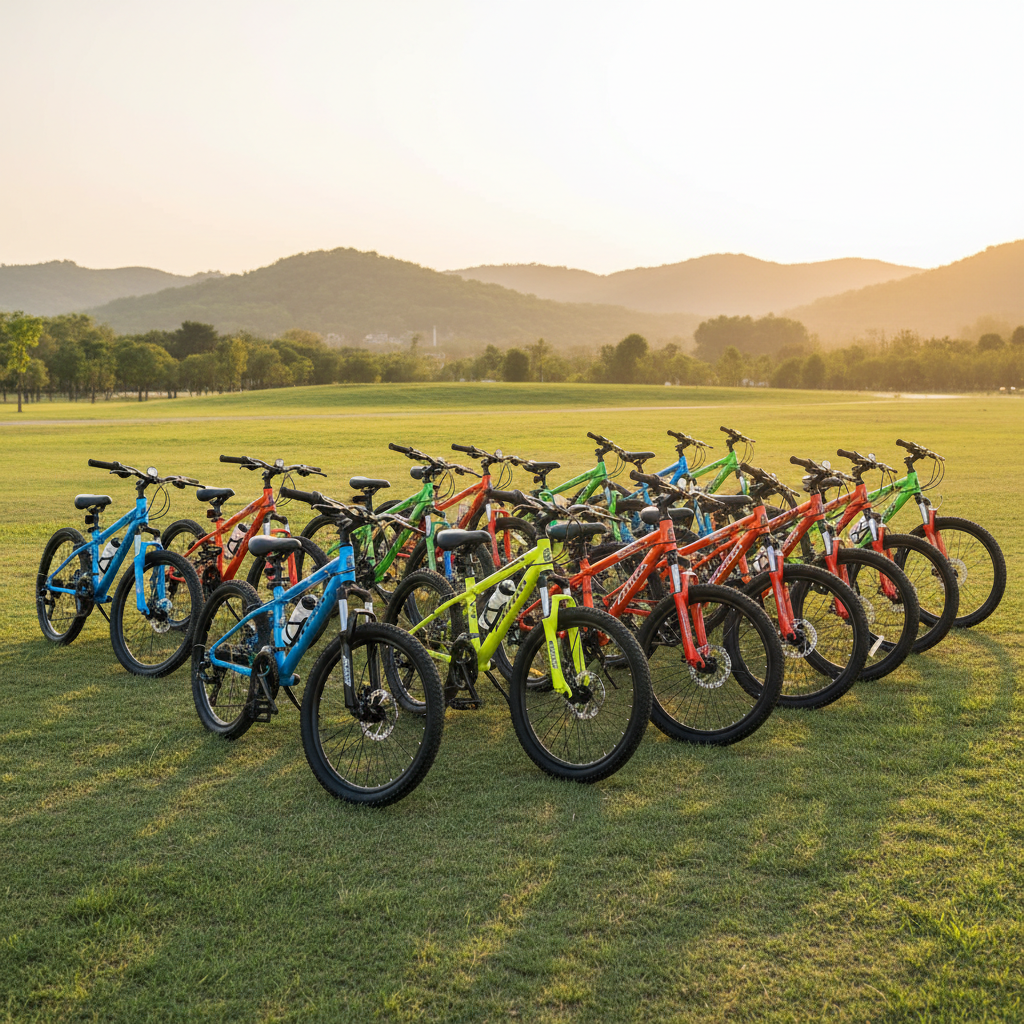
Understanding 20 Inch Mountain Bikes for Children
A 20-inch wheel size is typically suitable for children aged 6-9 years, with a height range of approximately 44-52 inches. However, individual growth rates vary, so it’s crucial to consider your child's inseam length, not just their age. A well-fitted bike allows for comfortable pedaling and efficient handling. Look for bikes with lightweight frames, often aluminum, to make it easier for younger riders to manage the weight. Gear systems, while optional at this age, can offer versatility on varied terrain.
Key Considerations: Lightweight frame, appropriate wheel size, adjustable seat and handlebars, reliable brakes, and durable construction.
Key Features to Look for in a 20 Inch Mountain Bike
When choosing a 20 childs mountain bike, several features are vital. Firstly, brakes are paramount – look for easy-to-reach brake levers designed for smaller hands. V-brakes are a common and reliable option. Secondly, consider the suspension. While full suspension isn’t always necessary for younger riders, a front suspension fork can absorb bumps and provide a smoother ride. Thirdly, evaluate the gear system – simpler, single-speed bikes are often best for beginners, while bikes with 6-7 speeds offer more versatility as skills develop.
Essential Features:
• Easy-to-reach brake levers
• Front suspension fork (optional but recommended)
• Simple or 6-7 speed gear system
• Lightweight frame
Comparing Popular 20 Inch Mountain Bike Models
The market offers a variety of 20-inch mountain bikes. Here’s a comparison of some popular models, focusing on price, weight, and key features. This table will help you determine the best option based on your budget and your child's needs. Choosing a bike from a reputable brand like Yanlinebike often ensures quality and durability.
Sizing Guide: Ensuring a Perfect Fit for Your Child
Proper sizing is essential for safety and comfort. As mentioned earlier, age is a general guideline, but inseam length is more accurate. Have your child stand with their shoes on and measure from the ground to their crotch. A general rule is to have at least 1-2 inches of clearance between the top tube of the bike and your child’s crotch. The seat height should be adjusted so that their knees have a slight bend when the pedal is at the lowest point. Regularly check the fit as your child grows! Yanlinebike provides detailed sizing charts on their website to help you find the perfect fit.
Safety First: Gear and Maintenance Tips
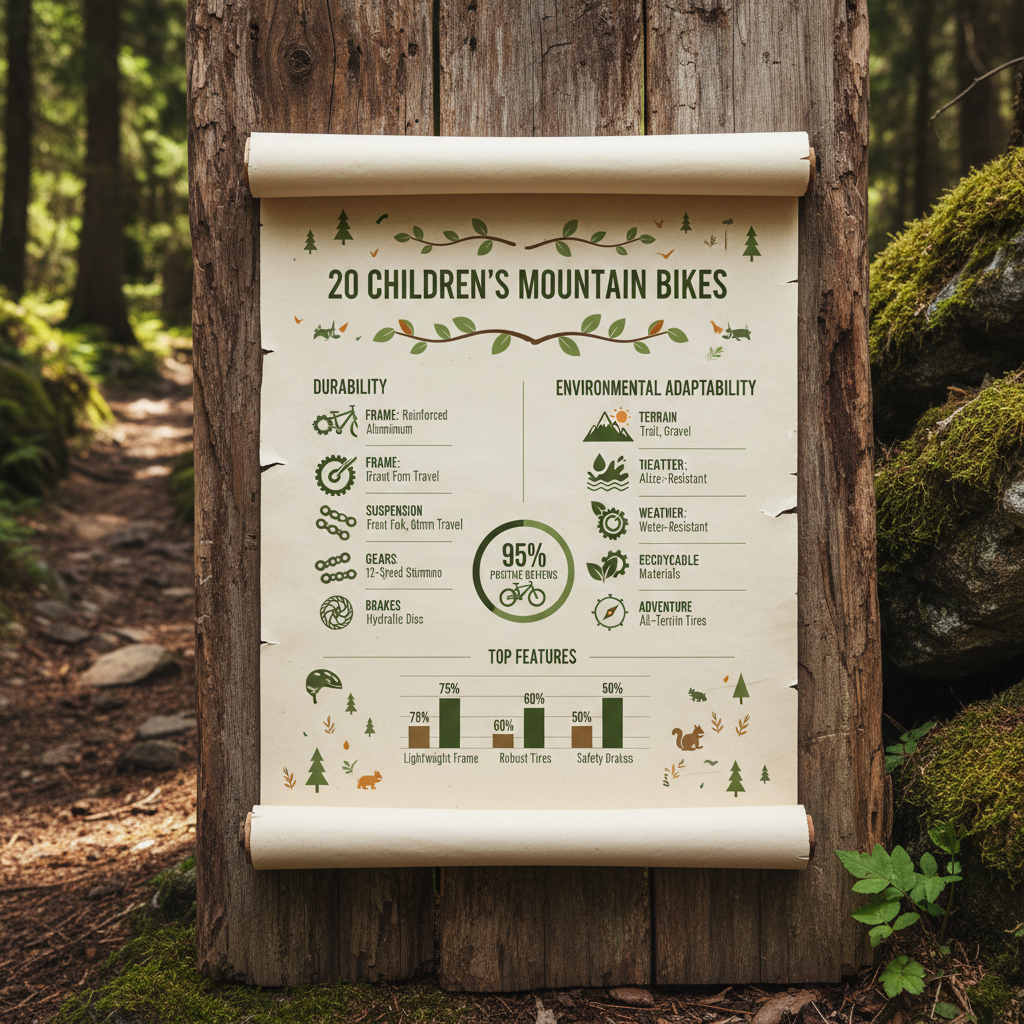
Alongside a well-fitted bike, safety gear is non-negotiable. A properly fitted helmet is the most important piece of equipment. Also consider knee and elbow pads, especially for beginner riders. Teach your child basic bike safety rules, such as looking both ways before crossing streets and using hand signals. Regular bike maintenance is also crucial – check the brakes, tires, and chain regularly. Proper maintenance ensures the bike remains safe and reliable.
Conclusion: Finding the Perfect Ride
Investing in a quality 20 childs mountain bike is an investment in your child's health, happiness, and outdoor enjoyment. By considering the factors outlined in this guide – fit, features, and safety – you can find the perfect bike to inspire a lifelong love of cycling. Don't hesitate to visit Yanlinebike for a wide selection of high-quality options.
Frequently Asked Questions (FAQs)
What is the best tire pressure for a 20 inch mountain bike?
The recommended tire pressure for a 20-inch mountain bike typically falls between 25-35 PSI (pounds per square inch). However, the ideal pressure depends on the rider’s weight, the terrain, and the type of tires. Lighter riders and smoother surfaces require lower pressures for better grip and comfort, while heavier riders and rougher terrain need higher pressures to prevent pinch flats. Always check the sidewall of the tire for the manufacturer's recommended pressure range and adjust accordingly. Using a pump with a pressure gauge is highly recommended.
How often should I service my child’s mountain bike?
Regular servicing is crucial for maintaining the safety and performance of your child’s bike. A basic check – looking for loose bolts, worn tires, and functioning brakes – should be done weekly. A more thorough service, including lubricating the chain, adjusting brakes and gears, and checking wheel alignment, should be performed every 3-6 months, or more frequently if the bike is used heavily. Consider taking the bike to a professional bike shop for a full service at least once a year.
What type of helmet should my child wear?
Always choose a helmet that meets safety standards (e.g., CPSC certified in the US). The helmet should fit snugly and comfortably, covering the forehead and temples. It’s essential to measure your child's head circumference and select a helmet within the appropriate size range. Avoid used helmets, as their protective integrity may have been compromised. Encourage your child to wear the helmet consistently, even for short rides.
Are disc brakes better than V-brakes for a kids’ mountain bike?
While disc brakes offer superior stopping power, V-brakes are often sufficient and more affordable for a 20-inch kids' mountain bike. V-brakes are easier to maintain and adjust, which can be an advantage for beginner riders and parents. Disc brakes can be beneficial in wet or muddy conditions, but require more advanced maintenance. For most casual riding scenarios, well-maintained V-brakes provide adequate stopping power.
-
The Ultimate Guide to Choosing a Perfect tandem mountain bike
NewsApr.16,2026
-
The Ultimate Guide to Choosing a Specialized Mountain Bike
NewsApr.09,2026
-
Choosing the Right Specialized Mountain Bike for Your Trail Adventures
NewsApr.07,2026
-
Choosing the Right Specialized Mountain Bike for Your Riding Adventures
NewsApr.04,2026
-
Ultimate Guide to Choosing the Best Mountain Bikes for Women Riders
NewsMar.31,2026
-
Comprehensive Guide to Choosing the Right Mountain Bike XC for Optimal Performance
NewsMar.28,2026
-
Comprehensive Mountain Bike Reviews for Finding Your Ideal Ride
NewsMar.26,2026