


Mar . 31, 2026 02:05 Back to list
Ultimate Guide to Choosing the Best Mountain Bikes for Women Riders
Choosing the Right Mountain Bikes for Women
Finding the perfect mountain bike as a woman can feel overwhelming. With so many options available, it’s crucial to understand the factors that contribute to a comfortable, confident, and exhilarating riding experience. This guide will explore the key considerations when selecting mountain bikes for women, covering everything from frame geometry and component selection to suspension and wheel size. We’ll help you navigate the world of mountain biking to find the bike that best suits your needs and riding style.
Understanding Women’s Mountain Bike Geometry
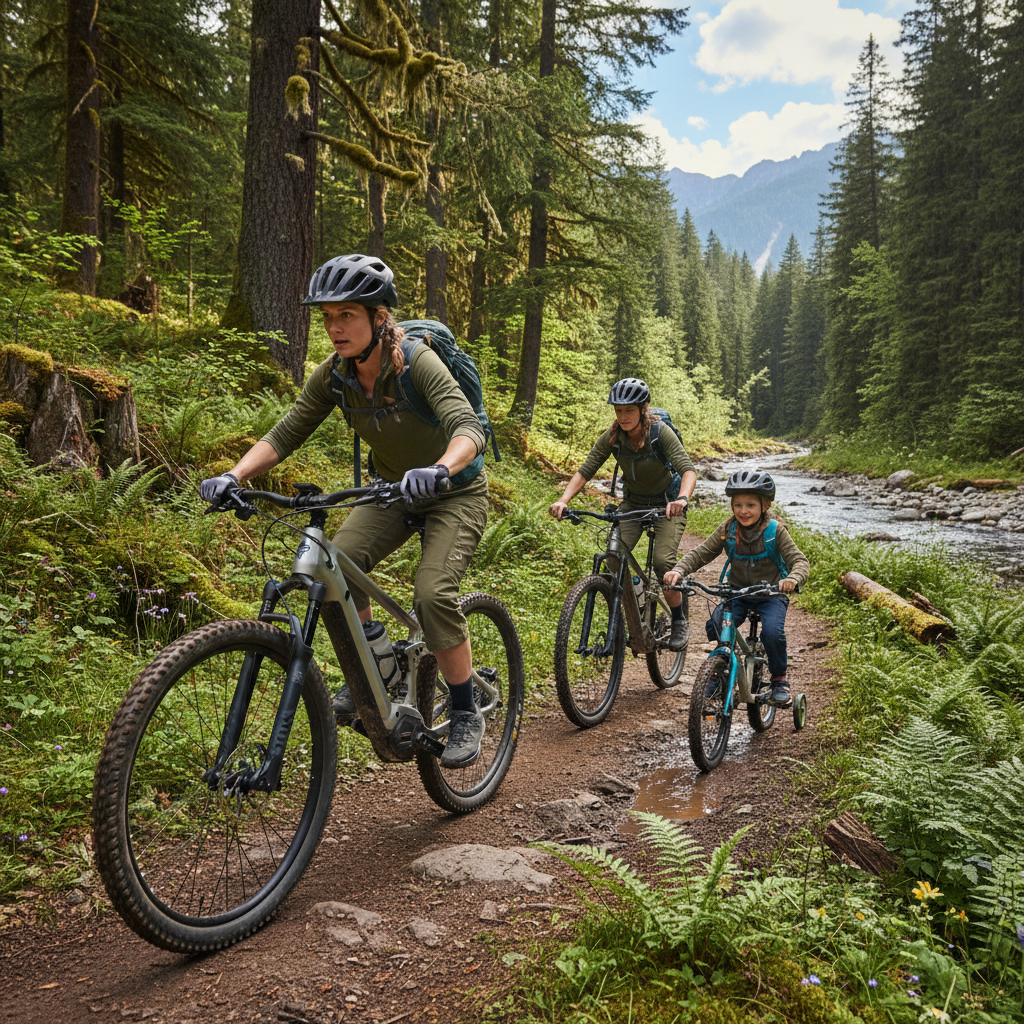
Traditionally, mountain bikes were designed based on male anthropometry. However, women’s mountain bikes often feature geometry tailored to female riders. This typically includes a shorter top tube, narrower handlebars, and a lower standover height. These adjustments contribute to a more comfortable and controlled riding position, particularly for women who may have shorter torsos and narrower shoulders. A well-fitting bike improves handling, reduces fatigue, and boosts confidence on the trails. Proper fit is paramount; consider a professional bike fit to ensure optimal geometry for your body type.
Key Geometry Differences: Shorter top tube, narrower handlebars, lower standover height, and often a more upright riding position.
Wheel Size and its Impact on Ride Quality
The wheel size significantly impacts how a mountain bike handles. 27.5-inch wheels offer a balance between agility and rolling efficiency, making them a popular choice for technical trails and tighter corners. 29-inch wheels excel at rolling over obstacles, maintaining momentum, and providing stability at higher speeds. For women, especially those shorter in stature, 27.5-inch wheels can feel more manageable, while taller riders might prefer the confidence and efficiency of 29-inch wheels. Consider the type of terrain you’ll be riding most often when deciding on wheel size.
Wheel Size Comparison:
• 27.5 inches: Agile, nimble, good for technical trails.
• 29 inches: Faster rolling, stable, good for covering ground.
Suspension: Choosing the Right Type for Your Riding Style
Mountain bikes utilize suspension to absorb bumps and maintain tire contact with the ground. There are three main types: hardtail (front suspension only), full suspension (front and rear suspension), and rigid (no suspension). Hardtails are more affordable and efficient for climbing, while full suspension bikes provide greater comfort and control on rough terrain. The amount of suspension travel (measured in millimeters) dictates how much bump absorption is available. More travel is ideal for aggressive downhill riding, while less travel is suitable for cross-country trails.
Essential Components for Women Mountain Bikers
Beyond the frame and suspension, several components contribute to a comfortable and enjoyable ride. Women-specific saddles are designed to accommodate wider sit bones, providing greater support and reducing pressure points. Grips with smaller diameters can improve hand comfort and control. Hydraulic disc brakes offer superior stopping power and modulation, especially in wet or muddy conditions. Finally, consider the gearing to ensure you have a wide enough range to tackle climbs and maintain speed on descents. Explore Yanlinebike's selection of components to customize your ride.
Finding Your Perfect Fit: A Guide to Sizing
Proper bike sizing is critical for both comfort and performance. Most manufacturers provide sizing charts based on height, but inseam length is a more accurate indicator. A general guideline is to have 1-2 inches of standover clearance between the top tube and your crotch. It’s always best to test ride different sizes to find the one that feels most comfortable and responsive. If you're unsure, visit a local bike shop for professional assistance. Yanlinebike provides detailed sizing information and offers expert advice to help you choose the right size bike.
Conclusion: Embrace the Trails with Confidence
Choosing the right mountain bike is an investment in your enjoyment and safety. By considering frame geometry, wheel size, suspension, components, and fit, you can find a bike that empowers you to explore the trails with confidence. Don't hesitate to seek advice from experts and test ride different models to find the perfect match for your needs.
Frequently Asked Questions (FAQs)
What's the difference between a cross-country and trail mountain bike?
Cross-country (XC) bikes are designed for efficiency and speed on relatively smooth trails and climbs. They typically have lighter frames, shorter suspension travel, and a focus on pedaling efficiency. Trail bikes are more versatile, offering a balance between climbing capability and descending prowess. They feature longer suspension travel and more robust frames, making them suitable for a wider range of terrain. Choosing between the two depends on your riding style and the type of trails you frequent.
How important is a professional bike fit?
A professional bike fit is highly recommended, especially for new riders. A fitter will assess your body dimensions, flexibility, and riding style to optimize your bike setup. This can prevent injuries, improve comfort, and enhance performance. A proper fit ensures that your weight is distributed correctly, reducing strain on your joints and muscles.
What maintenance is required for a mountain bike?
Regular maintenance is essential for keeping your mountain bike in optimal condition. This includes cleaning and lubricating the chain, checking tire pressure, inspecting brakes, and tightening bolts. Depending on the type of suspension, servicing may be required annually. Proper maintenance extends the lifespan of your bike and ensures safe and reliable performance. Check Yanlinebike's maintenance guides for more information.
-
The Ultimate Guide to Choosing a Perfect tandem mountain bike
NewsApr.16,2026
-
The Ultimate Guide to Choosing a Specialized Mountain Bike
NewsApr.09,2026
-
Choosing the Right Specialized Mountain Bike for Your Trail Adventures
NewsApr.07,2026
-
Choosing the Right Specialized Mountain Bike for Your Riding Adventures
NewsApr.04,2026
-
Comprehensive Guide to Choosing the Right Mountain Bike XC for Optimal Performance
NewsMar.28,2026
-
Comprehensive Mountain Bike Reviews for Finding Your Ideal Ride
NewsMar.26,2026
-
Choosing the Perfect Mountain Bike for Kids A Comprehensive Buyers Guide
NewsMar.24,2026