


Mar . 26, 2026 02:05 Back to list
Comprehensive Mountain Bike Reviews for Finding Your Ideal Ride
Mountain Bike Reviews: Finding the Perfect Ride
Choosing the right mountain bike can be a daunting task, with countless options available catering to different skill levels, terrains, and budgets. This comprehensive guide provides in-depth mountain bike reviews, helping you navigate the market and find the ideal bike for your adventures. We'll cover key considerations, different bike types, and highlight some top models to get you started. Whether you’re a beginner hitting the trails for the first time or a seasoned pro looking for an upgrade, we’ve got you covered.
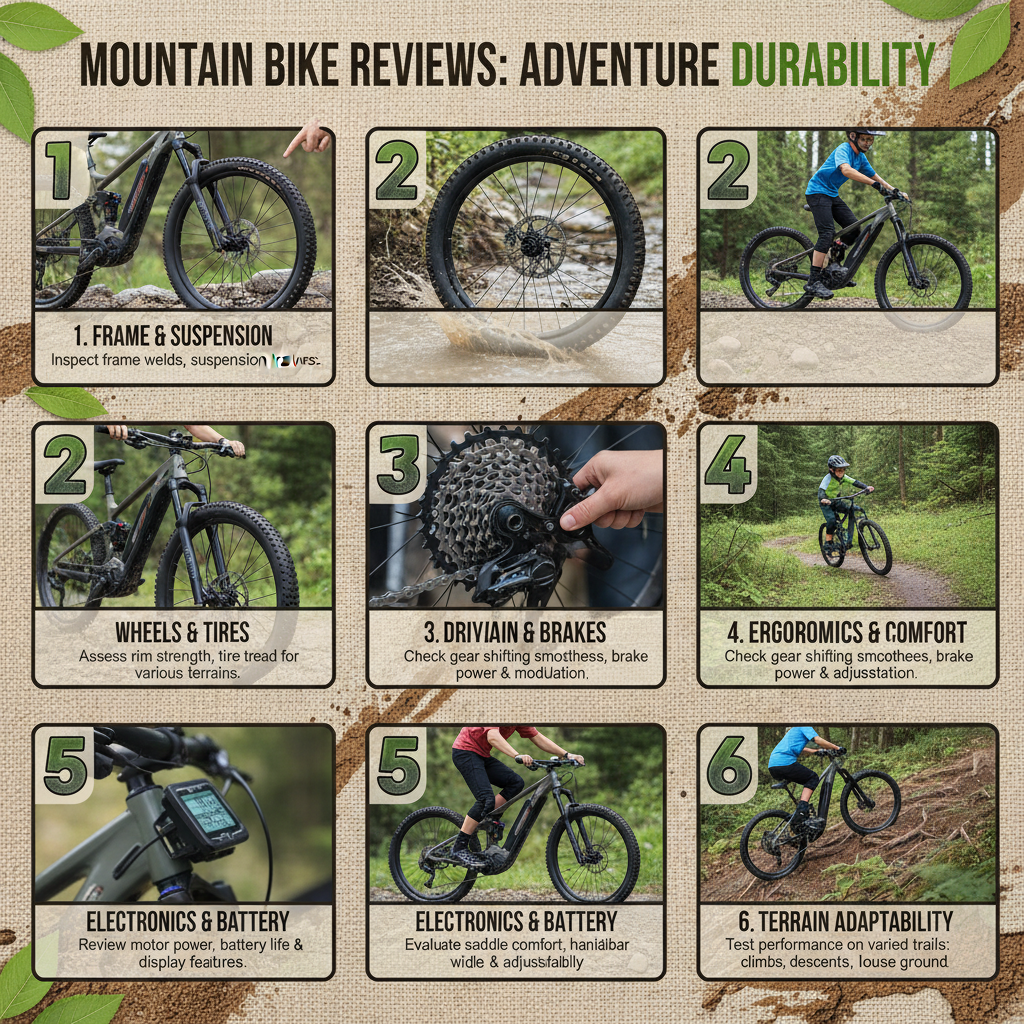
Understanding Different Types of Mountain Bikes
Mountain bikes aren’t one-size-fits-all. Different disciplines require different bike designs. Cross-country (XC) bikes are lightweight and efficient, designed for climbing and covering long distances. Trail bikes are more versatile, capable of handling a wider range of terrain. Enduro bikes are built for aggressive descending and technical trails. Downhill bikes are specifically designed for high-speed descents, prioritizing stability and suspension travel. Understanding your riding style and the type of terrain you’ll encounter is crucial for selecting the right bike. Don't hesitate to explore the Yanline Bike collection for diverse options.
Key Takeaway: Choosing a bike type aligned with your riding style is the most important first step.
Key Features to Consider in Mountain Bike Reviews
When reading mountain bike reviews, pay attention to several key features. Suspension (front, rear, or both) absorbs bumps and improves control. Frame material (aluminum, carbon fiber, or steel) affects weight, stiffness, and cost. Wheel size (27.5” or 29”) influences handling and rolling speed. Brake type (disc or rim) determines stopping power and reliability. Gearing affects climbing ability and speed. And component quality impacts durability and performance.
Essential Components:
• Suspension: Front, rear, or full suspension systems.
• Frame: Material affects weight and ride quality.
• Brakes: Disc brakes offer superior stopping power.
• Gearing: Wide gear ranges for varying terrain.
Comparing Popular Mountain Bike Models
Here’s a comparison of three popular mountain bikes, highlighting their key features and price points. Remember that pricing can vary depending on location and retailer.
Analyzing Customer Reviews and Expert Opinions
Beyond specifications, reading customer reviews and expert opinions is invaluable. Look for common themes – what riders consistently praise or criticize. Pay attention to feedback regarding durability, comfort, and performance on different terrain. Websites like Yanline Bike often feature customer reviews, providing real-world insights. Expert reviews in publications like BikeRadar or Pinkbike offer detailed analysis and comparisons.
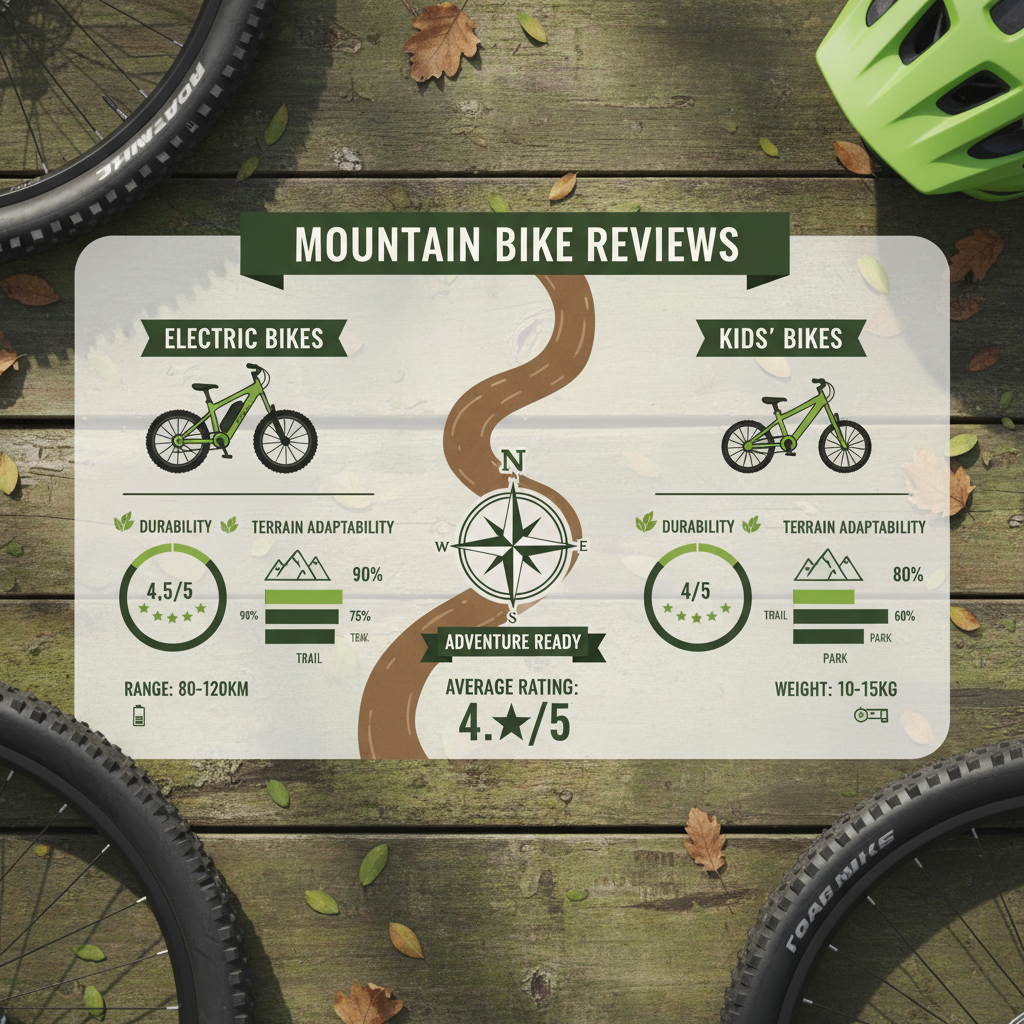
Budget Considerations for Your Mountain Bike
Mountain bike prices vary dramatically, from a few hundred dollars to over $10,000. Determine your budget before you start shopping. Remember that a higher price doesn’t always equate to a better bike for your needs. A well-maintained entry-level bike can be a fantastic starting point. Consider used bikes as a cost-effective option. Don't forget to factor in the cost of accessories like a helmet, gloves, pump, and repair kit. Yanline Bike provides bikes in a multitude of price ranges.
Conclusion: Finding Your Perfect Mountain Bike
Finding the right mountain bike is a personal journey. By understanding the different bike types, key features, and your own riding style, you can narrow down your options and find a bike that will provide years of enjoyment on the trails. Don’t hesitate to visit Yanline Bike to explore our wide selection and take advantage of our expert advice.
Frequently Asked Questions (FAQs)
What size mountain bike do I need?
Determining the correct mountain bike size is crucial for comfort and control. It’s generally based on your height, but inseam length is a more accurate measurement. Most manufacturers provide size charts on their websites. It’s always best to test ride a bike before purchasing to ensure a proper fit. A bike that’s too small will feel cramped, while a bike that’s too large will be difficult to handle. Don’t hesitate to ask for assistance from a knowledgeable salesperson at Yanline Bike.
How often should I service my mountain bike?
Regular maintenance is essential for keeping your mountain bike in top condition. A basic tune-up should be performed at least once a year, or more frequently if you ride often or in challenging conditions. This includes checking brakes, gears, tires, and suspension. Chain lubrication and cleaning are also important. Consider taking your bike to a professional mechanic for a more thorough inspection and service.
Are 27.5” or 29” wheels better?
The choice between 27.5” and 29” wheels depends on your riding style and preferences. 29” wheels roll over obstacles more easily and maintain momentum better, making them ideal for cross-country and trail riding. 27.5” wheels are more nimble and responsive, making them a good choice for tighter trails and more aggressive riding. Ultimately, the best way to determine which wheel size is right for you is to test ride bikes with both options at Yanline Bike.
What are the benefits of a full-suspension mountain bike?
Full-suspension mountain bikes offer increased comfort, control, and traction, especially on rough terrain. The rear suspension absorbs bumps and vibrations, reducing fatigue and improving stability. This allows you to maintain speed and confidence on challenging trails. However, full-suspension bikes are generally heavier and more expensive than hardtail bikes.
-
The Ultimate Guide to Choosing a Perfect tandem mountain bike
NewsApr.16,2026
-
The Ultimate Guide to Choosing a Specialized Mountain Bike
NewsApr.09,2026
-
Choosing the Right Specialized Mountain Bike for Your Trail Adventures
NewsApr.07,2026
-
Choosing the Right Specialized Mountain Bike for Your Riding Adventures
NewsApr.04,2026
-
Ultimate Guide to Choosing the Best Mountain Bikes for Women Riders
NewsMar.31,2026
-
Comprehensive Guide to Choosing the Right Mountain Bike XC for Optimal Performance
NewsMar.28,2026
-
Choosing the Perfect Mountain Bike for Kids A Comprehensive Buyers Guide
NewsMar.24,2026