


Apr . 09, 2026 02:05 Back to list
The Ultimate Guide to Choosing a Specialized Mountain Bike
Mastering the Trails: The Ultimate Guide to a Specialized Mountain Bike
For cycling enthusiasts, choosing a specialized mountain bike is more than just a purchase; it is an investment in adventure. Whether you are tackling rocky descents, navigating narrow forest paths, or cruising through rolling hills, the right bike transforms the ride from a struggle into a seamless flow. A high-performance mountain bike combines cutting-edge geometry with durable materials to ensure stability and speed. In this comprehensive guide, we will explore the nuances of specialized designs, the technical specifications that matter, and how to choose the perfect model for your specific riding style to maximize your trail experience.
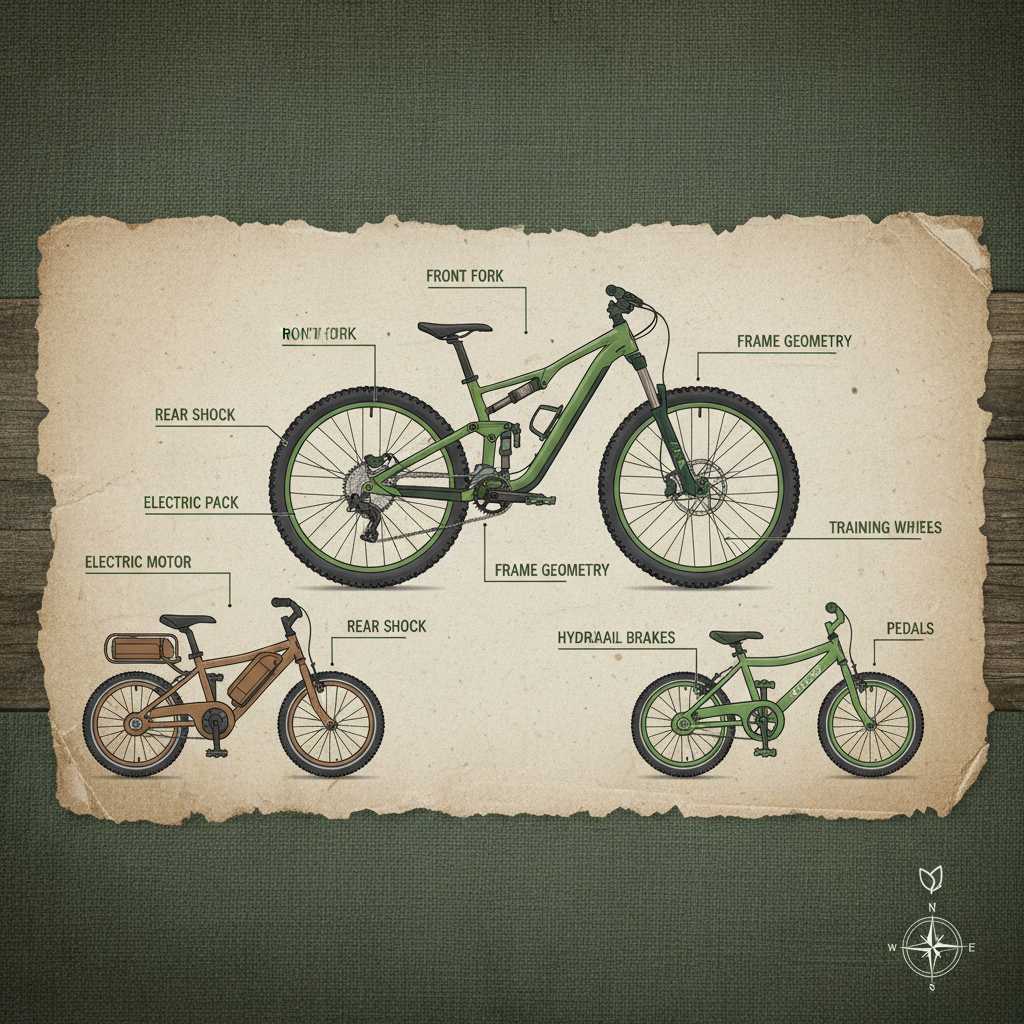
Engineering Excellence in Specialized Mountain Bike Design
The core of a specialized mountain bike lies in its frame geometry. Modern designs prioritize a "slack" head tube angle, which pushes the front wheel further forward, significantly increasing stability during steep descents. Additionally, the integration of lightweight alloys and carbon fiber allows for a frame that is both stiff for efficient power transfer and resilient against heavy impacts. By optimizing the center of gravity, these bikes allow riders to maneuver with precision, ensuring that every turn is controlled and every climb is manageable regardless of the terrain's complexity.
Design Pro Tip: Look for bikes with an adjustable dropper post; this allows you to lower the saddle instantly for technical descents and raise it for efficient pedaling during climbs.
Hardtail vs. Full-Suspension: Choosing Your Specialized Mountain Bike
One of the most critical decisions when selecting a specialized mountain bike is deciding between a hardtail (front suspension only) and a full-suspension model. Hardtails are generally lighter and provide a more direct feel of the trail, making them ideal for cross-country racing and smoother paths. On the other hand, full-suspension bikes offer superior comfort and traction by absorbing shocks from both the front and rear. This makes them the preferred choice for enduro or downhill riding where the terrain is unpredictable and rugged.
Key Components of a High-Performance Specialized Mountain Bike
To truly appreciate a specialized mountain bike, one must look at the components. The drivetrain is the heart of the bike; a 1x system (single chainring in front) is now the industry standard, reducing weight and eliminating the risk of chain drops. Next are the brakes; hydraulic disc brakes are essential for providing consistent stopping power in mud, rain, or steep declines. Finally, the tires play a vital role. Knobby, wide-profile tires provide the necessary grip to maintain traction on loose soil and slippery roots.
Maintenance Tips for Your Specialized Mountain Bike
Owning a premium specialized mountain bike requires a commitment to maintenance to ensure longevity and safety. Regularly cleaning the drivetrain and lubricating the chain prevents premature wear. Suspension forks and shocks should be serviced periodically to maintain their damping properties and ensure a smooth ride. Additionally, checking tire pressure before every ride is crucial; lower pressure provides more grip for technical trails, while higher pressure is better for road transitions. Keeping your bolts tightened and brakes bled ensures that your bike remains a reliable companion on every adventure.
Specialized Mountain Bike Specifications Overview
Understanding the technical specs can be daunting, but focusing on a few key areas helps in making an informed choice. When browsing for a specialized mountain bike, pay attention to the wheel size (27.5" for agility or 29" for rollover capability) and the travel of the suspension (measured in millimeters). Below is a general specification table for different riding categories to help you align your needs with the right bike specs.
The Future of Mountain Biking: E-MTBs and Beyond
The evolution of the specialized mountain bike has led to the rise of Electric Mountain Bikes (E-MTBs). By integrating a powerful motor and battery, E-MTBs allow riders to cover more ground and tackle steeper climbs with less fatigue. This technology has opened the sport to a wider demographic, allowing older riders or those with less endurance to enjoy the thrill of the mountains. However, the essence remains the same: the pursuit of the perfect line through the wilderness. Whether powered by a battery or by pure muscle, the focus continues to be on sustainability, durability, and the joy of outdoor exploration.
Conclusion: Elevate Your Ride with the Right Gear
Choosing a specialized mountain bike is about finding the harmony between your riding style and the bike's capabilities. From the agility of a hardtail to the plush comfort of a full-suspension rig, the right equipment empowers you to push your limits and explore new horizons. By focusing on quality components and a proper fit, you ensure a safer and more exhilarating experience on every trail. Embrace the adventure, maintain your gear, and let the mountains call you home.
Frequently Asked Questions (FAQs)
How do I choose the right frame size for my specialized mountain bike?
Choosing the correct frame size is essential for both performance and injury prevention. Most manufacturers provide a size chart based on your height and inseam. However, the "stand-over height"—the distance between the top tube and the ground—is equally important to ensure you can safely mount and dismount. If you fall between two sizes, generally, a smaller frame offers more agility and is easier to flick around on tight trails, while a larger frame provides more stability and a more stretched-out, efficient position for climbing. We recommend visiting a professional fitter or referring to the detailed guides on the Yanline Bike website for precise sizing.
What is the difference between 27.5-inch and 29-inch wheels?
The choice between wheel sizes depends on your priority: speed or agility. 29-inch wheels are larger, meaning they have a better "rollover" capability—they glide over roots and rocks more easily and maintain momentum better on flat sections. They are ideal for cross-country and endurance riding. 27.5-inch wheels (often called 650b) are smaller, which makes the bike more responsive, easier to turn, and accelerates faster. They are highly favored by riders who enjoy jump lines, tight switchbacks, and a more playful feel. Some modern bikes even use a "mullet" setup, with a 29" wheel in the front for stability and a 27.5" in the rear for agility.
How often should I service the suspension on my mountain bike?
Suspension maintenance is typically divided into basic and full services. A basic "lower leg" service for your fork should ideally be done every 50 hours of riding to keep the seals lubricated and remove dirt. A full overhaul, which includes replacing oil and air seals, is generally recommended every 100 to 200 hours of riding, depending on the environment (muddy conditions require more frequent service). Neglecting this can lead to internal wear and a loss of efficiency. Always check for oil leaks around the seals; if you see a ring of oil, it's time for a service. Professional technicians can help tune your sag and rebound for a personalized feel.
Are carbon fiber frames better than aluminum for mountain biking?
Both materials have their advantages. Carbon fiber is significantly lighter and can be molded into complex shapes to optimize stiffness and comfort, which is why it is preferred for competitive racing and high-end specialized mountain bikes. Aluminum is more cost-effective and generally more resistant to the "sharp" impacts (like hitting a rock) that might crack carbon. While modern carbon is incredibly strong, aluminum remains a reliable choice for those on a budget or those who ride in extremely harsh, rocky environments where the risk of frame damage is high. Ultimately, the "better" material depends on your budget and how you intend to use the bike.
-
The Ultimate Guide to Choosing a Perfect tandem mountain bike
NewsApr.16,2026
-
Choosing the Right Specialized Mountain Bike for Your Trail Adventures
NewsApr.07,2026
-
Choosing the Right Specialized Mountain Bike for Your Riding Adventures
NewsApr.04,2026
-
Ultimate Guide to Choosing the Best Mountain Bikes for Women Riders
NewsMar.31,2026
-
Comprehensive Guide to Choosing the Right Mountain Bike XC for Optimal Performance
NewsMar.28,2026
-
Comprehensive Mountain Bike Reviews for Finding Your Ideal Ride
NewsMar.26,2026
-
Choosing the Perfect Mountain Bike for Kids A Comprehensive Buyers Guide
NewsMar.24,2026